Introduction
They have been the focus of human societies since time immemorial and myths and epic literature are one of the most effective tools used to transmit culture, teach morality, and shape a sense of collective identity. Literature such as The Iliad and The Odyssey were entertaining and at the same time communicated the societal values, historical memory, and philosophical concepts. By learning the way in which myths and epic writings impacted the pre-historic civilization, we are able to enjoy the continual influence which these works have had on literature, education, and cultural values.
The Myth in the Early Societies
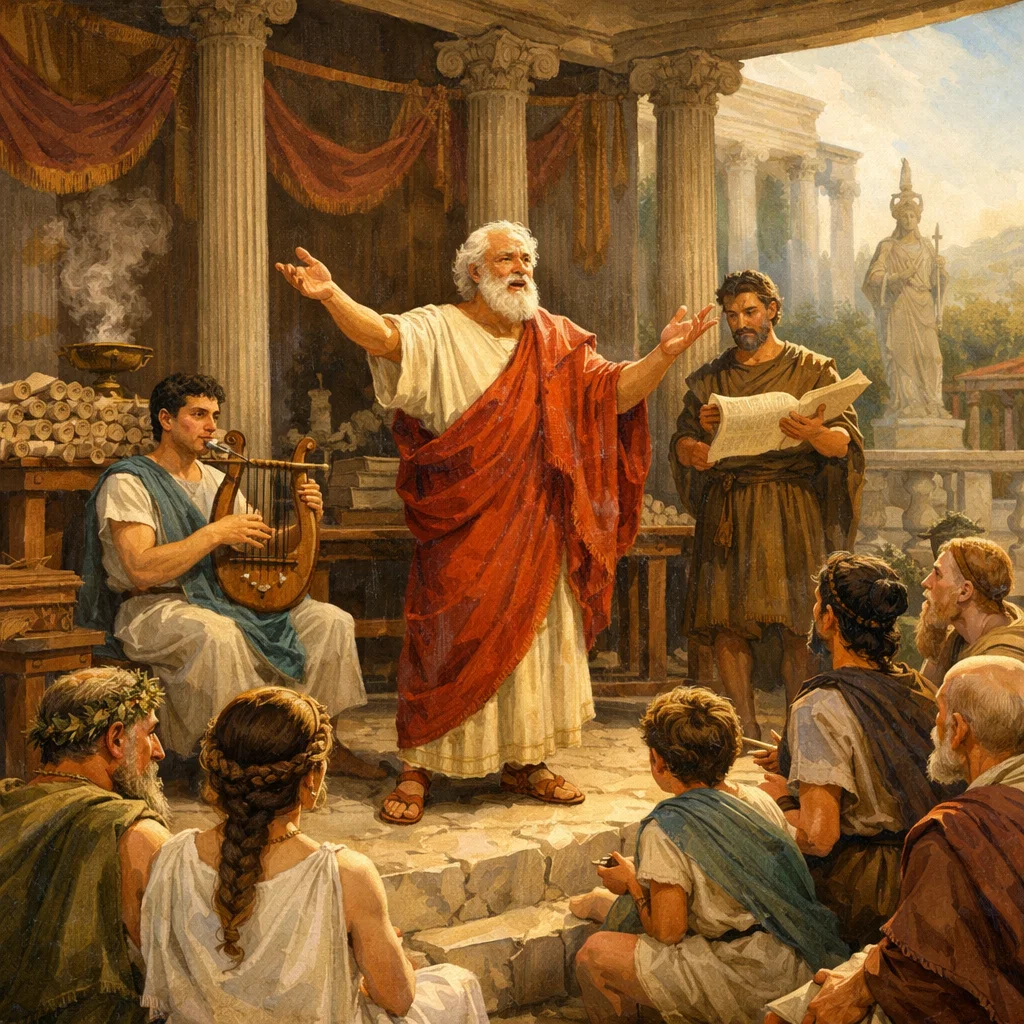
The myths served as plot structures by which societies interpreted natural events, human actions and the divine structure. Oral narration played an important role in the ancient civilization as it was the main technique of storing knowledge in a community and continuity of generations. Myths could be used to strengthen social values and norms by condensing moral lessons and social norms in entertaining stories.
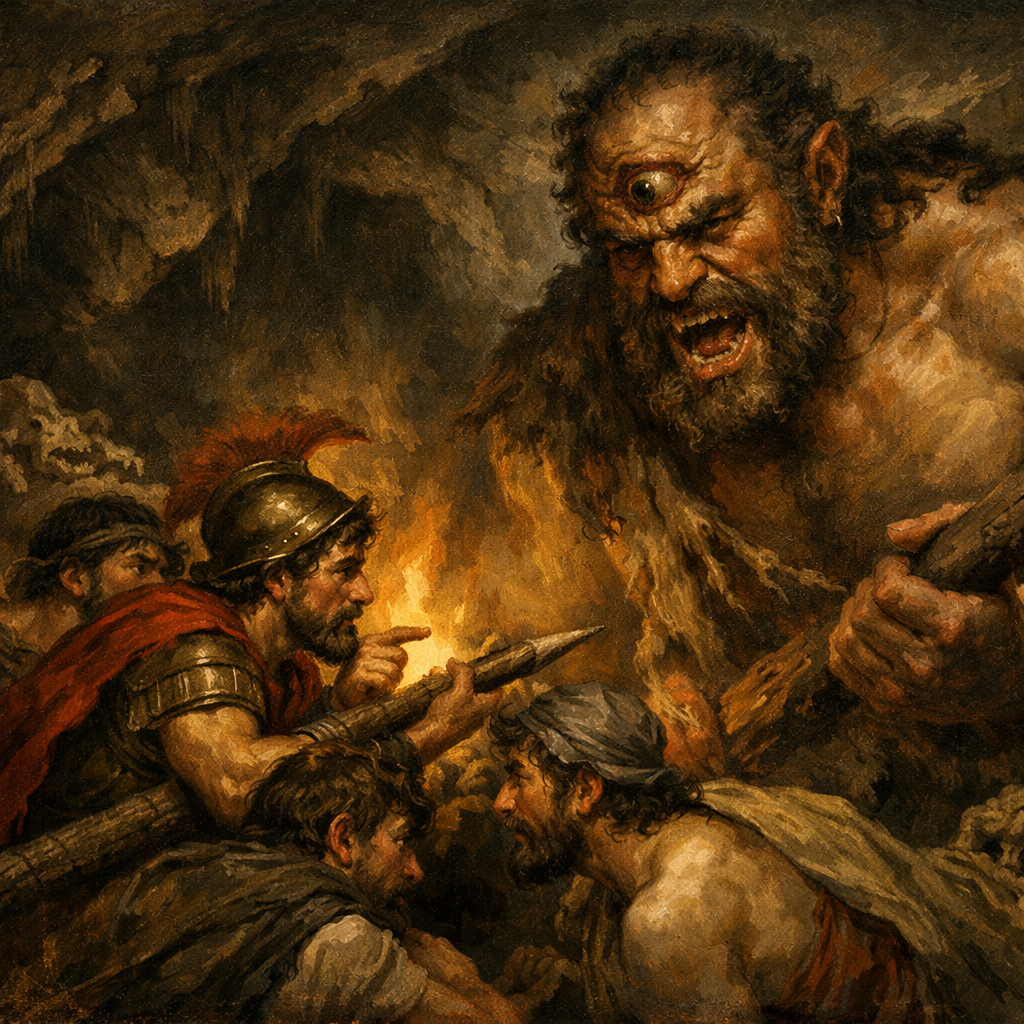
An example is that, the Greek myths tended to deal with heroism and honor as well as destiny. Heroes like Achilles or Odysseus represented only good qualities and humanity of the heroes, providing the viewers with the examples of how to act in a virtuous way and presenting them with the examples of what happens when a person is filled with hubris or commits a certain moral vice. These stories had constructed a moral framework in the society and offered ethical directions to the listeners in the form of memorable stories.
Myth as a Mirror of Society
In addition to ethical guidance, myths usually reflected society and the relationship of power. The gods and heroes were used to represent the forces and the hierarchies within the society such as kingship, family roles and so on, showing how they expected them to behave and how they should govern. Myths were used in explaining the reasons why social conformity and strengthening the collective knowledge of power and right.
The Epic Literature as Cultural Transmission
Epic literature such as The Iliad and The Odyssey continued to elaborate the mythological tales and made them into long-lasting pieces of literature. These epics were the tools of education which gave the cultural information, the events that happened in the history and the values shared by the generations.
Social Identity and Historical Memory
The historical memory of early societies was preserved by the Epic poetry. The Trojan War described in the Iliad is one such work that merged historical facts with mythology to form a story that enhanced Greek identity and pride in their culture. In the same manner, The Odyssey was the record of the Odysseus expedition and his strength, wit, and character strength which was regarded as important in Greek society.
These epics strengthened the sense of community through constant repetition. They provided a common story that held different groups together with similar cultural symbols, myths, and heroes. Through this, the epic literature played a crucial role in terms of inculcation of social solidarity and a sense of community.
Language and Memory
The knowledge and language were also maintained through epic poetry. By using the techniques of mnemonic, like repetition, rhythm and formulae phrases, storytellers were able to impart large amounts of text orally with minimal distortion. This enabled preservation of linguistic, historical, and cultural continuity, which assisted with the transportation of knowledge between generations by societies.
Ethics in Myths and Epics
It was not just a storytelling business since myths and epics were primarily used as tools of moral education. Ethics was represented through heroes and gods who demonstrated good and wrong behavior. This double role enabled the audiences to learn morals and human behavior without being taught.
As an example, the anger of Achilles in The Iliad shows how destructive the uncontrolled anger can be, and Odysseus in The Odyssey advises on the importance of intelligence and versatility as key qualities. Through the successes and failures of these characters, the standards of morality, personal responsibility and civic duty were conveyed in the early societies.
Ethical Reflection and Ritual
Epic tales were commonly used during rituals, festivals and communal events. Storytelling was an interactive experience during which viewers cogitated about ethical issues, social conventions and individual behaviors. This ritualistic element of myth and epic literature inculcated lessons by repetition and group participation, which increased the impact they had on society.
Heroes and Roles of Ethics
The repetition of heroic, mentor, and trickster archetypes in epic literature gave people characters to identify with, whose choices and actions demonstrated moral quandaries. These characters served as cognitive models, which gave lessons on courage, loyalty, justice, and humility. Through perusing these tales, people were taught on how to manoeuvre through complicated social and ethical worlds.
Influence on Later Literary and Philosophical Traditions
The mythical and epic literary work has changed not only the early society but also other literary, philosophical, and cultural works in the later generations. The successors of classical authors Virgil, Ovid and Homer were inspired by Greek epics and in their works they referred to the methods of narration, archetypes and the structure of the plot.
Philosophical Reflections
Plato and Aristotle were the Greek philosophers who studied the works of the epics in order to understand the nature of man, morality, and the importance of storytelling in community life. The Poetics by Aristotle explored the structure of epics and the morals they portrayed, which emphasized the aspect of educating people through literature. Through myths and epics therefore, philosophical tools were used which led to reflection of virtues, justice and human condition.
Critical thinking was also promoted by the combination of myth and philosophy. Through questioning of the choices made by characters and the moral lessons taught, the audience learnt to think critically, outside of literature. Myths were also crafted to consider and discuss human behavior, government, and morals.
Literary Legacy
Motifs, archetypes and narrative strategies of early myths are still found in later literary works such as the Renaissance epics, or the modern novel. Heroism, struggle, and moral development are the themes that can be traced back to such epics as The Iliad and The Odyssey, showing how powerful the narratives are to influence cultural imagination and writing.
Even modern media, such as films, graphic novels and digital storytelling heavily rely on the conventions of epics, the presence of archetypal stories, and it proves that the values that were laid down in ancient epics are applicable to centuries and mediums.
Cross-Cultural Influence
Although epics are not the only episodes in Greek literature, the presence of myths and epic literature in other civilizations, including the Mesopotamian Epic of Gilgamesh, the Indian Mahabharata, or the Norse sagas, all exhibit the same transformative power. These publications provided strength to societal conventions, documented historical recollection and formed cultural association, as they emphasized the universal human need to learn through narrative, to bond and meditate.
Conclusion
To sum up, myths and epic literature were transformative in the early societies because they perpetuated culture, strengthened the moral codes and defined collective identity. The Iliad and The Odyssey were not only a mirror of the societal values; they also offered some principles of philosophical contemplation and literary creative works. The analysis of myths and coordination of epic works helps to realize the great influence of storytelling on the human society, its timeless relevance to the content of education, culture, and literature.
By their impact on moral education, communal identity and literary innovation, myths and epics will always be the inspiration of scholars, writers and audiences and this confirms that the stories of the past be it in their influence on the way human beings think and the way they express and convey their cultures.


