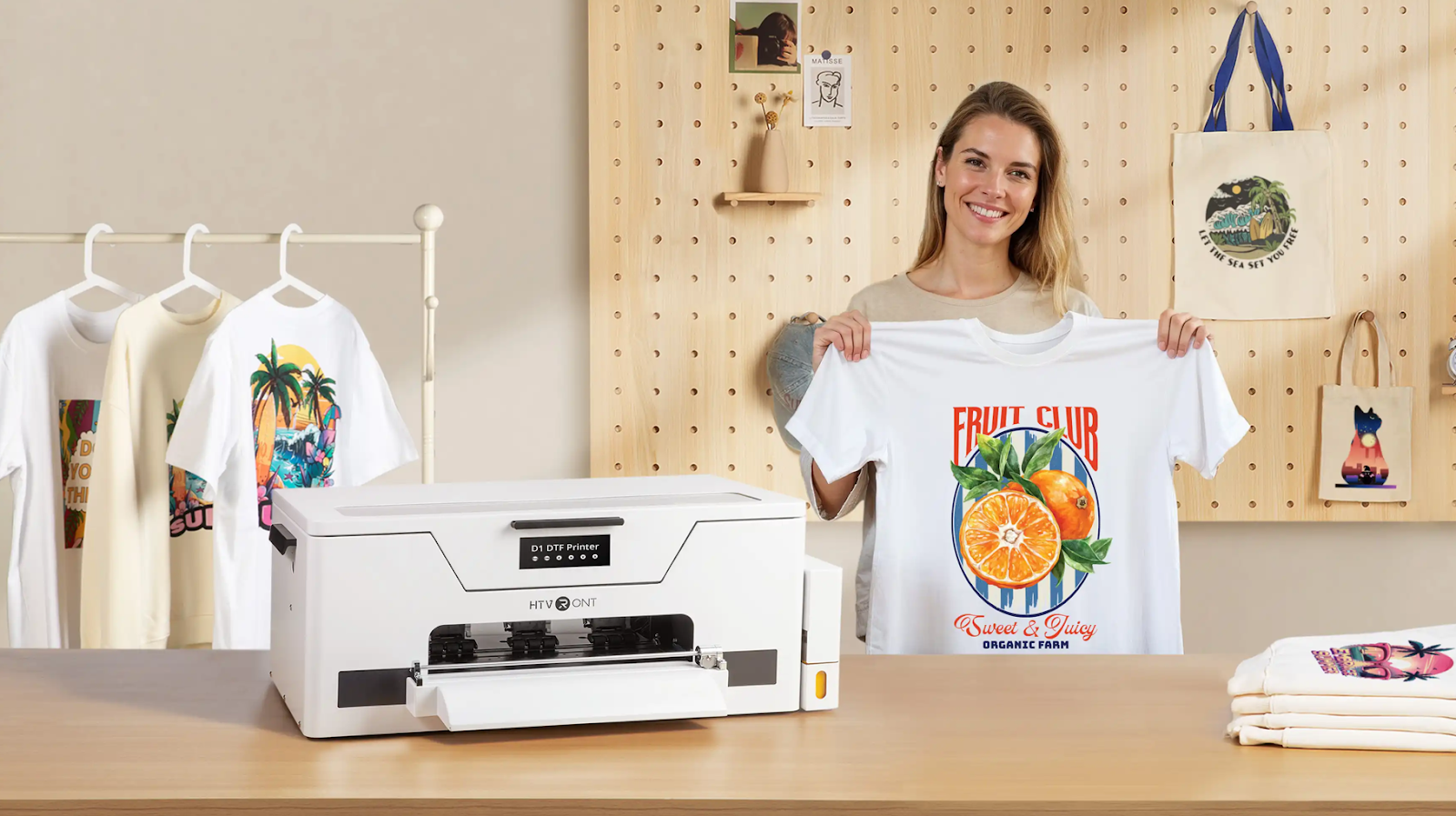
A t shirt press is an essential piece of equipment for anyone involved in custom apparel production. Whether you’re a hobbyist or a business owner, ensuring your heat press operates smoothly and lasts for years is crucial. Proper maintenance not only improves the quality of your transfers but also protects your investment. This article covers the top maintenance tips to help you extend the life of your t shirt press, with practical advice for those using advanced technology like a dtf printer.
1. Keep the Heat Platen Clean
The heat platen is the heart of your t shirt press. Ink, adhesive, and residue from transfer papers can accumulate over time, affecting heat distribution and transfer quality.
Tips:
- After each use, allow the platen to cool and gently wipe it with a soft, damp cloth.
- For stubborn residue, use a non-abrasive cleaner recommended by your press manufacturer.
- Avoid using sharp tools or harsh chemicals, as these can scratch or damage the surface.
Regular cleaning ensures even heat application, which is especially important when transferring vibrant designs made with a dtf printer.
2. Check and Adjust Pressure Settings
Consistent pressure is key to successful transfers. Over time, the pressure mechanism can loosen or become misaligned.
Tips:
- Periodically test the pressure by pressing a sample garment and inspecting the transfer.
- Consult your user manual to adjust and calibrate the pressure as needed.
- Ensure the press closes evenly and that the pressure is distributed across the entire platen.
Proper pressure prevents incomplete transfers and avoids damaging both the garment and the press itself.
3. Inspect Electrical Components
Your t shirt press relies on electrical components to heat the platen and control temperature. Faulty wiring or worn-out parts can lead to inconsistent performance or even safety hazards.
Tips:
- Regularly inspect power cords for fraying or damage.
- Check that all connections are secure and free from dust or debris.
- If you notice fluctuating temperatures or unusual noises, consult a qualified technician.
Safe and reliable electrical systems are vital, especially when running continuous jobs from a dtf printer.
4. Calibrate Temperature Accuracy
Accurate temperature control is crucial for effective heat transfers. A malfunctioning thermostat or sensor can result in under- or over-pressed garments.
Tips:
- Use a heat gun or infrared thermometer to occasionally check the platen’s temperature.
- Compare readings with the press’s digital display and recalibrate if there are discrepancies.
- Replace faulty sensors or thermostats as recommended by the manufacturer.
Consistent temperature ensures your transfers—whether vinyl, sublimation, or DTF—are durable and professional-looking.
5. Lubricate Moving Parts
Hinges, levers, and other moving parts should operate smoothly to avoid wear and tear.
Tips:
- Apply a small amount of machine oil or manufacturer-approved lubricant to hinges and joints every few months.
- Wipe away excess oil to prevent it from transferring onto garments.
- Avoid over-lubricating, as this can attract dust and debris.
Smooth operation reduces mechanical strain and prolongs the life of your t shirt press.
6. Protect Your Press from Dust and Moisture
Environmental factors like dust and humidity can affect both mechanical and electrical components.
Tips:
- Place your t shirt press in a clean, dry workspace.
- Cover the machine with a dust cover when not in use.
- Avoid operating the press in damp conditions, which can lead to rust or electrical issues.
A well-protected press is less likely to suffer from unexpected breakdowns.
7. Replace Worn or Damaged Parts Promptly
Over time, certain components—such as silicone pads, springs, or handles—may wear out.
Tips:
- Inspect your press regularly for signs of wear or damage.
- Replace worn parts with manufacturer-approved replacements.
- Keep spare parts on hand to minimize downtime.
Timely replacement keeps your press running efficiently, especially during busy production periods with your dtf printer.
8. Follow Manufacturer’s Maintenance Schedule
Manufacturers often provide specific maintenance schedules and guidelines.
Tips:
- Read and follow the instructions in your t shirt press manual.
- Schedule regular professional servicing if recommended.
- Register your equipment for warranty support and updates.
Adhering to official guidelines helps you avoid voiding warranties and ensures optimal performance.
9. Store Properly When Not in Use
If you don’t use your t shirt press daily, proper storage is essential.
Tips:
- Disconnect from power and allow the press to cool before storing.
- Store in a dry, temperature-controlled area.
- Avoid stacking heavy items on top of the press.
Proper storage prevents accidental damage and extends the lifespan of your equipment.
10. Train Operators Thoroughly
Human error is a common cause of equipment damage. Make sure everyone who uses the t shirt press understands best practices.
Tips:
- Provide training on operating, cleaning, and maintaining the press.
- Post maintenance checklists near the workstation.
- Encourage staff to report issues immediately.
Well-trained operators help maintain consistent quality, especially when integrating new technologies like a dtf printer into your workflow.
Conclusion
A t shirt press is a valuable asset for anyone in custom apparel printing. By following these maintenance tips—cleaning regularly, checking pressure and temperature, inspecting electrical parts, lubricating moving components, and more—you can ensure your press delivers reliable, high-quality results for years to come. Whether you’re using traditional methods or advanced solutions like a dtf printer, proper care and attention to your equipment is the key to long-term success in the custom garment industry.