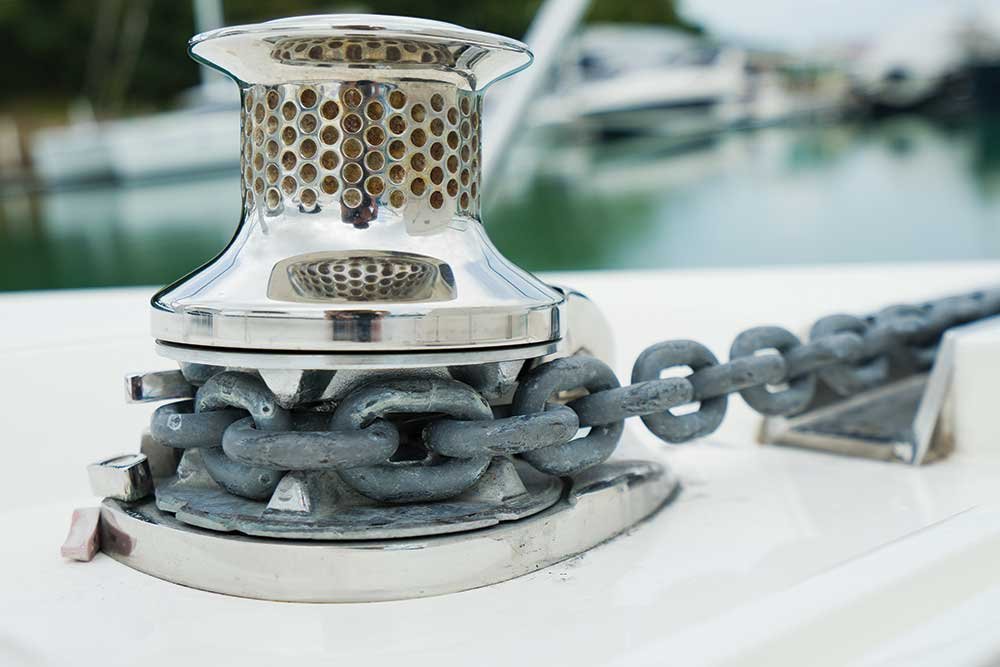
A modern anchor winch can transform the anchoring experience from a strenuous chore into a smooth and effortless operation. Whether you spend your days cruising calm bays or navigating deeper offshore waters, selecting a winch with the right features is essential. Boaters looking for reliable equipment can explore a wide range of high-quality anchor winches at Lone Star Marine to ensure smooth and safe anchoring. Below are the top features to focus on when choosing a modern anchor winch—and why they matter.
Power And Load Capacity
At the core of a dependable anchor winch lies its power and load-handling ability. The winch should be rated well above the total weight of your anchor plus chain or rope. This margin ensures the motor won’t overheat or stall, even in challenging conditions such as strong currents or heavy loads. Insufficient capacity can strain internal gears, leading to premature wear. Always check the manufacturer’s load rating and choose a model that offers a healthy buffer over your typical load.
Rope And Chain Compatibility
Modern anchor winches often support a variety of rode configurations. Look for models compatible with both rope and chain, or even a combination of rope and chain. Because of this flexibility, you can adapt to different sorts of bottoms: a chain is better for rocky or shifting bottoms, while a rope works well for sandy or muddy beds. A winch that handles mixed rode reliably gives you greater versatility and ensures secure anchoring regardless of conditions.
Smooth Operation And Variable Speed Control
Smooth operation is crucial for precise anchor placement and retrieval. A winch with variable speed control lets you adjust the lowering and raising speed depending on depth, current, or anchor load. This is especially valuable when anchoring in tight spaces, near reefs, or around other boats. You avoid sudden jerks or abrupt drops that might disturb the anchor’s placement or damage equipment. Controlled, gradual movement fosters safer and more predictable anchoring.
Durable Construction And Corrosion Resistance
Marine environments are harsh—saltwater, sunlight, and moisture can take a toll on equipment. A modern anchor winch built with marine-grade materials—like stainless steel, corrosion-resistant alloys, and sealed motors—stands up to these elements much better. Look for sealed gear housings, weatherproof switches, and high-quality finishes that resist rust and wear. A durable winch not only lasts longer but also maintains consistent performance, reducing maintenance needs over time.
User-Friendly Controls And Safety Features
Ease of use and safety matter as much as power. User-friendly winches offer intuitive controls: foot pedals, rocker switches, or even remote controls that let you operate from a safer vantage point. Some winches include built-in overload protection that automatically stops the motor if the load becomes too heavy. Others feature clutch or manual-override mechanisms so you can release or retrieve the anchor manually in case of power failure. These features make anchoring safer and give you confidence even in unexpected situations.
Compact Design And Easy Installation
Not all boats have abundant deck space or spacious anchor lockers. A modern anchor winch with a compact design and thoughtful layout can be installed more easily—especially on smaller vessels. Models with low-profile decks, vertical windlasses, or integrated mounting systems help preserve deck aesthetics and avoid interference with other equipment. Quick-mount kits, streamlined wiring options, and clear installation instructions further reduce installation complexity.
Low-Maintenance Mechanisms
Convenience over the long term often hinges on maintenance requirements. A good anchor winch should combine straightforward maintenance with reliability. Features like self-draining gear housings, sealed components, and corrosion-resistant surfaces lower the need for frequent servicing. Some designs allow easy access to wear parts for cleaning or lubrication, reducing downtime. A low-maintenance winch ensures that you spend more time on the water and less time in the workshop.
Flexibility And Adaptability
Finally, a quality winch should offer flexibility—whether that means supporting different anchor types (fluke, plough, or claw), using varying rode lengths, or adapting to changing boating needs. A winch with adjustable gypsy drums or interchangeable fittings provides adaptability that grows with your boating habits. This adaptability proves valuable if you upgrade your boat, change anchoring conditions, or shift between recreational and fishing uses.
Conclusion
Choosing a modern anchor winch involves more than picking the most powerful model on the shelf. Prioritising features like strong load capacity, mixed rode compatibility, smooth speed control, corrosion-resistant construction, user-friendly controls, compact design, low maintenance, and adaptability ensures that your winch serves you reliably over years of boating. With careful selection and attention to these key attributes, you can enjoy safer, easier, and more enjoyable anchoring every time you head out onto the water.