Introduction
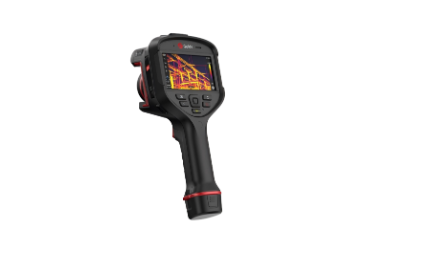
Infrared thermal imaging for gas detection has transformed the way industries identify and manage hazardous gas leaks. Traditional gas detection methods often rely on physical contact, chemical reactions, or time-consuming inspection procedures. In contrast, modern infrared technology makes it possible to monitor gases quickly, safely, and accurately from a distance. A thermal imaging gas detector designed by advanced manufacturers like Guide Sensmart provides unparalleled visibility into invisible gas plumes, enabling earlier warning, faster response, and improved workplace safety.
How Infrared Thermal Imaging Works for Gas Detection
To understand its advantages, it is essential to know how infrared sensing operates. Infrared thermal imaging for gas detection uses specialized sensors to detect how certain gas molecules absorb infrared light. When a gas with IR-absorption properties is present, it reduces or distorts the infrared radiation reaching the camera. A thermal imaging gas detector then converts this change into a visualized cloud or plume on the display. This technique allows operators to monitor leaks that are otherwise impossible to spot through the naked eye.
Guide Sensmart’s thermal imaging solutions use advanced uncooled infrared detectors, high-resolution imaging, and precise spectral filtering to ensure accurate and reliable leak visualization across industrial sites.
Benefit 1: Real-Time Visualization of Gas Leaks
One of the biggest advantages of infrared thermal imaging for gas detection is the ability to visualize gas leaks in real time. Unlike traditional detectors that issue only numerical or audible alerts, an infrared camera shows the exact movement, size, and direction of the leak. This enhances situational awareness, especially in large industrial facilities such as petrochemical plants or energy production sites.
Guide Sensmart’s thermal imaging gas detector products provide clear imagery, enabling operators to see gas plumes instantly and take immediate corrective action.
Benefit 2: Safe and Remote Inspection
Gas leaks can occur in dangerous areas—high-pressure pipelines, chemical storage units, confined spaces, or areas with explosive hazards. Using a thermal imaging gas detector enables professionals to assess leaks from a safe distance, minimizing exposure to toxic or flammable gases. This remote monitoring capability ensures the safety of technicians and reduces the risk of operational shutdowns.
Guide Sensmart’s imaging solutions support long-distance observation without compromising accuracy, allowing teams to stay safe while maintaining optimal detection sensitivity.
Benefit 3: Early Leak Detection for Preventive Maintenance
One of the most valuable strengths of infrared thermal imaging for gas detection is early detection. Even small leaks, which might go unnoticed during routine inspections, can be identified visually before they become critical. Early detection reduces the risk of equipment damage, avoids expensive downtime, and prevents environmental harm.
Many industries today use Guide Sensmart infrared cameras as part of predictive maintenance workflows to proactively identify issues before they escalate.
Benefit 4: Reduced Environmental Impact
Unintentional gas emissions contribute to air pollution, greenhouse gases, and regulatory violations. Methane, for example, is significantly more potent than CO₂ in terms of global warming potential. Using a thermal imaging gas detector helps companies comply with environmental regulations by catching leaks early and minimizing harmful emissions.
Guide Sensmart’s IR gas imaging technology meets compliance needs for environmental monitoring programs, including EPA-regulated facilities.
Benefit 5: Enhanced Accuracy and Reliability
Traditional gas detection tools may struggle with sensitivity, require filter replacements, or produce false positives. Infrared thermal imaging eliminates these challenges by relying on optical absorption signatures that are highly specific to particular gases. A thermal imaging gas detector is therefore more accurate and dependable, especially when equipped with high-resolution infrared sensors.
Guide Sensmart devices deliver high-performance imaging, temperature accuracy, and stable detection across a wide range of environments, giving industries confidence in every inspection.
Benefit 6: Non-Contact and Non-Intrusive Monitoring
Because infrared cameras detect gases optically, they do not require direct contact with equipment or the surrounding environment. This makes the technology ideal for inspecting moving machinery, high-temperature lines, high-voltage zones, and systems that cannot be shut down. Infrared thermal imaging for gas detection preserves operational efficiency while reducing the risks associated with physical inspections.
Guide Sensmart’s non-intrusive imaging tools are engineered for demanding industrial environments, allowing continuous monitoring without disrupting operations.
Benefit 7: Cost Savings in Operations and Maintenance
Gas leaks can lead to wasted resources, expensive repairs, and unplanned downtime. By pinpointing leak sources instantly, a thermal imaging gas detector cuts inspection time significantly and helps allocate repair efforts more efficiently. Faster leak detection means lower operational losses, reduced maintenance costs, and better asset management.
Industries using Guide Sensmart infrared cameras report measurable cost savings by optimizing their leak-detection maintenance cycles.
Benefit 8: Versatility Across Multiple Industries
Infrared thermal imaging for gas detection is used across dozens of sectors, including:
Oil and gas exploration and production
Petrochemical and chemical plants
Power generation and utilities
Food processing
Pharmaceutical manufacturing
Waste management and environmental services
HVAC and building maintenance
Guide Sensmart designs multi-purpose gas detection systems that adapt to diverse industrial environments, making them suitable for both routine inspections and emergency leak assessments.
Benefit 9: Ability to Detect Multiple Gas Types
A key strength of infrared-based technology is its ability to detect several gas types, depending on their infrared absorption bands. This makes a thermal imaging gas detector ideal for identifying hydrocarbon gases like methane, propane, and butane, as well as industrial gases used in chemical processing.
Guide Sensmart gas detection cameras are engineered with spectral filters that help identify a variety of hazardous gases, improving overall plant safety.
Benefit 10: Improved Worker Safety and Risk Mitigation
Ultimately, the primary benefit of infrared thermal imaging for gas detection is enhanced worker safety. Gas leaks can cause explosions, poisoning, fires, and equipment failures. By detecting leaks early and accurately, organizations can protect employees, secure facility operations, and reduce emergency response incidents.
Guide Sensmart’s advanced thermal imaging gas detector systems play a critical role in creating safer industrial workplaces with dependable early-warning capabilities.
Conclusion
Infrared thermal imaging for gas detection has become an essential tool for modern industrial safety, offering unmatched precision, speed, and safety advantages over traditional methods. The ability to visualize leaks in real time, inspect remotely, detect issues early, and comply with environmental standards makes this technology indispensable across multiple industries.
By choosing a thermal imaging gas detector from Guide Sensmart, companies gain access to state-of-the-art infrared sensing, durable design, and high-resolution imaging that enhances both safety and operational efficiency. As gas detection continues to evolve, infrared imaging stands as one of the most effective and reliable solutions available today.


Very informative breakdown of infrared thermal imaging for gas detection. I especially appreciated the clear explanation of real-time visualization, early leak detection, and non-intrusive monitoring—these benefits make a strong case for why IR-based solutions are becoming standard in industrial safety and preventive maintenance. The focus on efficiency, cost savings, and risk mitigation highlights how smart technology choices can dramatically improve outcomes.