In an era of mass production and algorithmic optimization, handmade goods occupy increasingly precious territory. Artisan home décor—furniture, textiles, ceramics, lighting, and decorative objects created by skilled craftspeople—costs more than factory alternatives. Understanding why reveals value that transcends price tags.
The True Cost of Handcraft
Handmade goods cost more for straightforward reasons:
Time Investment: Artisans spend hours or days creating pieces that machines produce in minutes. A hand-thrown ceramic vessel represents hours of skilled labor; its factory equivalent represents seconds of machine operation.
Skill Development: Artisans invest years developing expertise. This training represents significant investment that must be recovered through product pricing.
Material Selection: Artisans typically choose superior materials, rejecting flawed components that factory systems might accept. This selectivity increases costs while improving quality.
Limited Scale: Small-batch production cannot achieve the economies of scale that reduce per-unit costs in factory settings.
Living Wages: Ethical artisan production pays workers fairly, unlike some mass manufacturing operations that minimize labor costs through worker exploitation.
What Premium Prices Purchase
Beyond covering costs, premium prices purchase genuine value:
Uniqueness: No two handmade pieces are identical. Subtle variations in color, form, and detail make each piece unique. This individuality contrasts with the uniformity of mass-produced goods.
Quality: Handcraft typically produces superior quality. Artisans notice and correct issues that automated systems miss. The result is products that perform better and last longer.
Story: Handmade goods carry stories—of makers, techniques, materials, and traditions. These narratives add meaning that mass production cannot replicate.
Connection: Purchasing handmade creates connections between makers and users. This relationship enriches ownership in ways anonymous factory goods cannot.
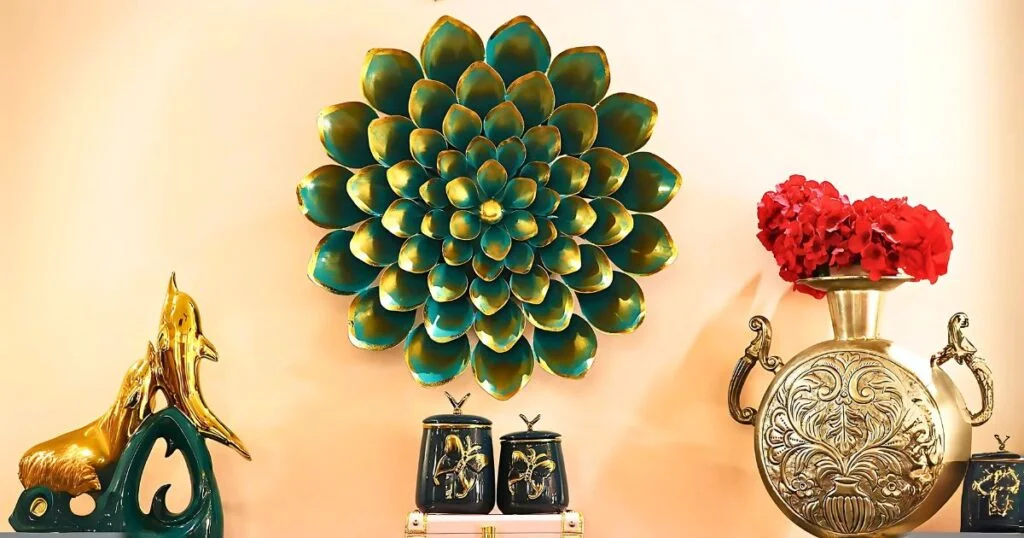
Consider artisan crafted lighting as an example. Each fixture represents skilled hands applying traditional techniques to quality materials. The resulting pieces illuminate spaces while adding beauty, character, and meaning that mass-produced alternatives simply cannot match.
The Sustainability Dimension
Artisan production often represents more sustainable consumption:
Longevity: Quality handmade goods last decades or generations, reducing replacement cycles and associated environmental impacts.
Repairability: Handmade goods can often be repaired by their makers or other skilled artisans, extending useful life rather than requiring disposal.
Local Production: Artisan goods frequently come from local or regional makers, reducing transportation impacts and supporting local economies.
Material Consciousness: Artisans often prioritize sustainable materials, reclaimed resources, and environmentally responsible processes.
Recognizing Quality Handcraft
Not everything marketed as handmade deserves the label. Evaluate claims critically:
Maker Transparency: Genuine artisans are typically identifiable. Anonymous “handmade” claims warrant skepticism.
Process Evidence: Hand production leaves evidence—tool marks, slight variations, signs of individual attention. Perfectly uniform “handmade” goods may not be what they claim.
Material Quality: Authentic artisans use quality materials. Cheap materials suggest corners cut elsewhere too.
Price Reality: Genuine handcraft costs real money. Suspiciously cheap “handmade” goods likely aren’t what they claim.
The Emotional Value
Beyond practical benefits, handmade goods provide emotional value:
Appreciation: Living with beautiful handmade objects enhances daily experience. The pleasure of appreciating skilled craft enriches ordinary moments.
Pride: Owning authentic handmade goods reflects values and taste. This pride differs from simply possessing expensive brands.
Conversation: Handmade pieces generate conversations about makers, methods, and meanings. They create social connections around shared appreciation.
Legacy: Quality handmade goods become heirlooms, passing between generations and accumulating family significance.
Integrating Handmade Thoughtfully
Maximize handmade value through thoughtful integration:
Strategic Investment: Focus handmade spending on visible, frequently used, or personally meaningful items. Reserve mass-produced options for utilitarian or background elements.
Quality Over Quantity: One exceptional handmade piece outvalues several mediocre ones. Concentrate resources rather than spreading them thin.
Patience: Building collections of quality handmade goods takes time. Resist pressure to fill spaces immediately with inferior alternatives.
Research: Learn about makers, techniques, and traditions. Knowledge enhances appreciation and helps identify authentic quality.
Supporting Artisan Traditions
Purchasing handmade supports broader cultural goods:
Skill Preservation: Artisan purchases fund continued practice of traditional skills that might otherwise disappear.
Training Support: Successful artisans can train apprentices, ensuring skill transmission to future generations.
Community Sustenance: Artisan economies support communities built around traditional crafts, maintaining cultural diversity in an increasingly homogenized world.
The Choice
Every purchase represents a choice. Mass-produced goods offer convenience and economy. Handmade goods offer quality, meaning, and connection. Neither choice is inherently right or wrong, but understanding what each offers enables intentional decision-making aligned with personal values.
For those who value quality, authenticity, and meaningful possessions, handmade goods—despite higher prices—often represent better value than cheaper alternatives that provide only function without soul.