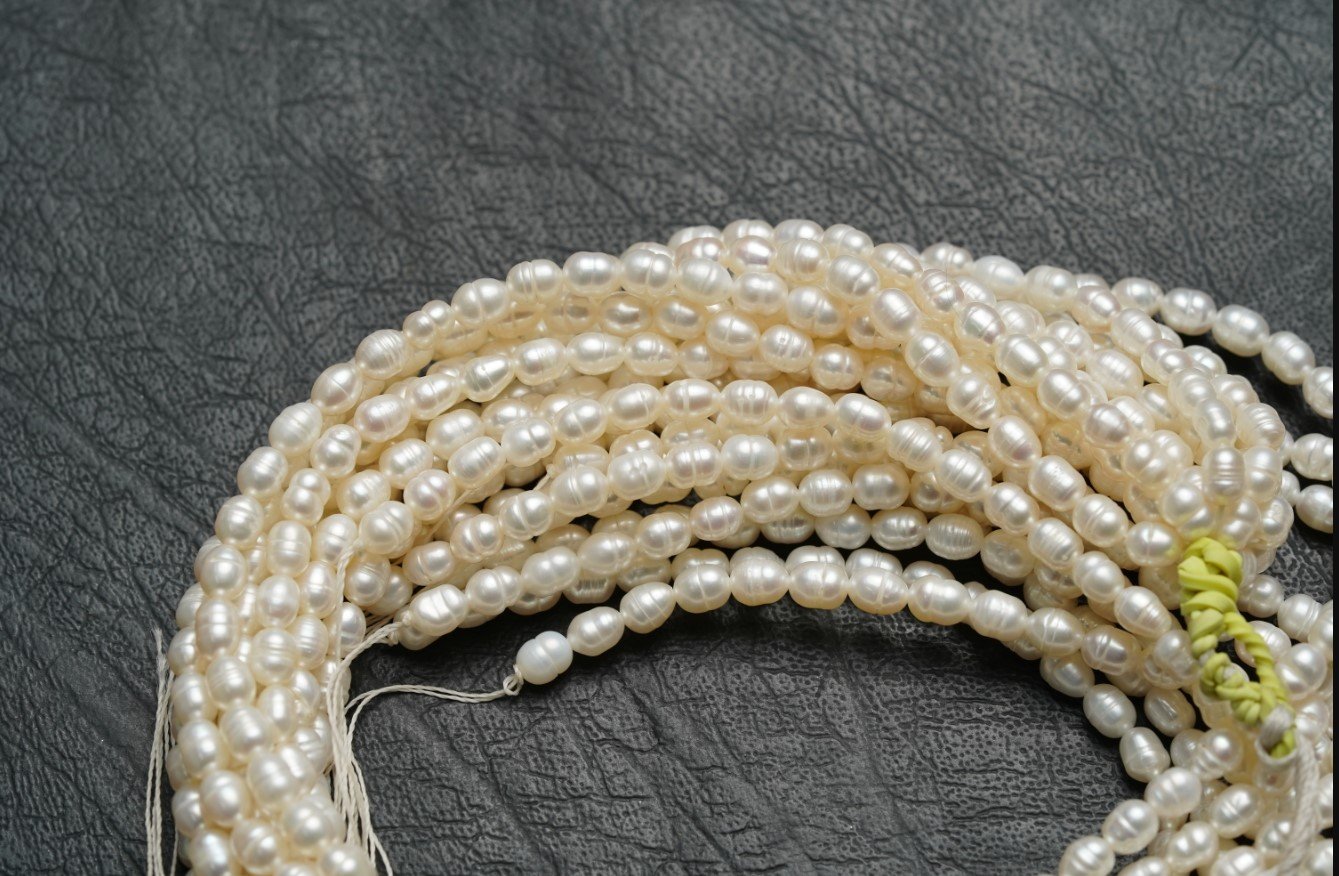
There is something undeniably magical about pearls. For centuries, they have been symbols of purity, wisdom, and wealth. Unlike gemstones mined from the earth, pearls are born from living creatures, giving them an organic warmth and glow that no diamond or ruby can quite replicate. While perfectly round, white strands were once the exclusive domain of royalty, modern jewelry design has embraced a more diverse and accessible option: the freshwater pearl.
Specifically, natural freshwater pearls beads have become a staple for artisans and jewelry enthusiasts around the globe. These gems offer a stunning array of shapes, sizes, and natural pastel hues that inspire endless creativity. Whether you are a professional jeweler or a hobbyist looking to create a meaningful gift, these pearls provide a perfect balance of luxury and affordability.
The appeal lies in their individuality. Because they are cultivated in freshwater mussels rather than saltwater oysters, the resulting pearls often develop in fascinating, irregular shapes known as “baroque.” This means that when you work with these beads, you are ensuring that your creation is truly one-of-a-kind. No two strands are ever exactly the same, allowing for jewelry that feels personal and bespoke.
Understanding the Origin of Freshwater Pearls
To truly appreciate natural freshwater pearls beads, it helps to understand where they come from. Unlike their saltwater cousins—such as Akoya or Tahitian pearls, which are grown in oysters in the ocean—freshwater pearls are cultivated primarily in mussels living in lakes, rivers, and ponds. A single freshwater mussel can produce incredibly large numbers of pearls at once, sometimes up to 30 or more, whereas saltwater oysters usually only produce one or two.
This efficient natural production process is why freshwater pearls are more accessible to the average consumer. However, “accessible” does not mean “low quality.” In recent years, cultivation techniques have advanced tremendously. Today’s freshwater pearls rival the luster and roundness of saltwater varieties that cost ten times as much. They are solid nacre (the pearly substance), making them incredibly durable and resistant to chipping, unlike some bead-nucleated saltwater pearls that may eventually wear down.
When you purchase these beads for crafting, you are buying a piece of nature’s resilience. The process involves patience and care, resulting in a gemstone that is both hardy enough for everyday wear and delicate enough for formal occasions.
The Spectrum of Shapes and Colors
One of the most exciting aspects of designing with natural freshwater pearls beads is the incredible variety available. While the classic round pearl is always in style, freshwater cultivation produces a whimsical assortment of shapes that modern designers adore.
Baroque and Semi-Baroque
These are non-spherical pearls that feature organic, irregular silhouettes. They might be teardrop-shaped, oval, or completely abstract. Designers love baroque pearls because they catch the light in unique ways, offering flashes of iridescence that smooth, round pearls might hide. They add texture and modern flair to necklaces and earrings.
Potato and Rice Shapes
“Potato” pearls are round-ish but with a slightly lumpy, organic texture, much like their namesake. “Rice” pearls are elongated and oval, resembling grains of rice. These shapes are fantastic for stringing together in multi-strand bracelets or for spacing out larger gemstones in a complex piece. Their texture adds visual interest and prevents a design from looking too manufactured or stiff.
A Rainbow of Pastels
While we often think of pearls as white or cream, freshwater mussels naturally produce a stunning palette of pastel colors. Without any artificial dyeing, you can find natural freshwater pearls beads in soft shades of pink, peach, lavender, apricot, and silver. These colors are determined by the genetics of the mussel and the minerals in the water. For jewelry makers, this natural variety opens up a world of color-matching possibilities without relying on synthetic materials.
Why Artisans Choose Freshwater Pearls
If you are looking to create jewelry that stands out, these beads are an exceptional choice. Their versatility allows them to bridge the gap between casual boho-chic and high-end elegance.
Durability for Daily Wear
Since most tissue-nucleated freshwater pearls are made entirely of nacre, they are remarkably tough. They don’t have a shell bead nucleus that can be exposed if the pearl is scratched. This makes them ideal for bracelets and rings—items that typically endure a lot of contact and movement. When you create a piece using these beads, you are crafting an heirloom that can maintain its beauty for decades.
Unbeatable Value
For a jewelry business or a prolific crafter, cost is always a consideration. Natural freshwater pearls beads offer the look and feel of luxury without the exorbitant price tag of South Sea pearls. This allows designers to use generous amounts of pearls in their work—think long, rope-style necklaces or clustered “cha-cha” bracelets—without breaking the bank. You get the prestige of genuine cultured pearls at a price point that makes experimentation easy and fun.
Design Inspiration: How to Style Your Beads
Staring at a hank of beautiful pearls can be intimidating if you don’t have a plan. Here are a few ways to incorporate these gems into your next project.
The Modern Minimalist Choker
Move over, heavy metal chains. A simple, single strand of small, off-round freshwater pearls sits beautifully at the base of the neck. It is subtle enough for the office but elegant enough for a dinner date. Using slightly irregular pearls keeps the look fresh and youthful, avoiding the “stuffy” reputation pearls sometimes get.
Mixed Media Magic
Pearls play well with others. Try mixing natural freshwater pearls beads with other natural materials like leather cord or raw gemstones. The contrast between the soft, glowing luster of the pearl and the rugged texture of leather creates a fantastic bohemian aesthetic. Alternatively, spacing pearls between faceted glass beads or crystals can amplify their shine.
Bridal and Formal Wear
There is no gemstone more synonymous with weddings than the pearl. Creating custom bridal jewelry—such as hairpins, delicate drop earrings, or a “something blue” bracelet incorporating pearls and aquamarine—is a wonderful way to utilize these beads. Their soft glow complements white and ivory fabrics perfectly, enhancing the bride’s natural radiance.
Caring for Your Pearl Jewelry
Once you have created your masterpiece, maintaining its luster is simple. Pearls are organic gems, meaning they react to their environment. The golden rule for pearls is “last on, first off.” Put your pearl jewelry on only after you have applied makeup, hairspray, and perfume. The chemicals in these products can dull the nacre over time.
Cleaning is equally straightforward. A soft, damp cloth is usually all that is needed to wipe away body oils or dust. Avoid harsh chemical cleaners or ultrasonic machines, which can damage the surface. If you are storing loose natural freshwater pearls beads, keep them in a soft pouch rather than a plastic bag, as they benefit from a little bit of moisture in the air to prevent drying out.
Elevate Your Craft with Nature’s Gems
Embracing the beauty of the pearl is about celebrating nature’s ability to create perfection out of patience. Natural freshwater pearls beads offer an invitation to explore texture, color, and light in ways that few other materials can. They carry a history of elegance while remaining adaptable to the trends of today.
Whether you are stringing a classic heirloom for a loved one or designing a funky, modern statement piece for your online store, these pearls provide the quality and aesthetic appeal you need. They remind us that luxury doesn’t have to be unattainable, and that true beauty often lies in unique, organic details.