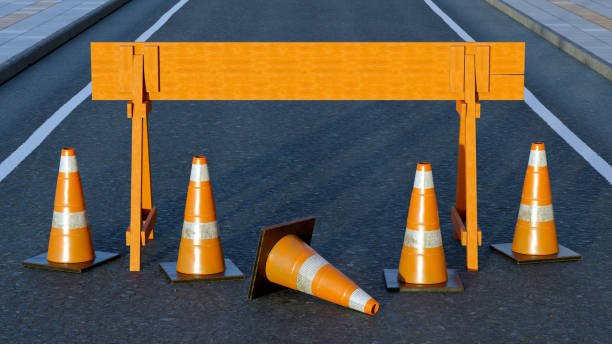
When you think of a barrier cone, you probably imagine a bright orange triangle by the side of the road. Simple, utilitarian, maybe a little annoying if it’s blocking your lane. Rarely do we stop to consider its journey — from raw plastic in a factory to a roadside guardian guiding cars, pedestrians, or construction crews.
Yet each cone has a story, a carefully engineered purpose, and a quiet influence on human behavior that most of us overlook.
Barrier cones are more than inanimate objects. They’re traffic communicators, safety enforcers, and sometimes even urban canvases. Their design, material, and deployment are the results of decades of trial, error, and innovation.
By tracing a cone’s life from the factory floor to its everyday duty, you begin to see it in a new light: as a silent sentinel of order in our chaotic streets.
Birth in the Factory: Material, Design, and Purpose
Every cone starts life as raw materials — typically polyethylene, a plastic prized for flexibility, durability, and resistance to weather. Some higher-end cones incorporate recycled plastics, marrying sustainability with functionality. At this stage, designers consider factors that will determine the cone’s performance for years to come:
- Flexibility: It must bend rather than break under a passing car’s slight nudge or strong gusts of wind.
- Weight and stability: The base must prevent tipping but remain light enough to be portable.
- Visibility: Bright colors and reflective stripes are not mere decoration — they are essential safety features.
- Weather resilience: UV exposure, snow, heat, and storms all challenge the cone. Material selection is crucial to withstand it all.
The manufacturing process itself is a fascinating orchestration. Plastic pellets are heated and molded into a cone shape, sometimes reinforced at the base for extra weight. Stripes are added — often high-intensity reflective tape that catches headlights at night. After cooling and quality checks, the cones are stacked, boxed, and shipped to distributors around the country.
Transportation and Deployment: From Factory to Streets
Once cones leave the factory, their life gets unpredictable. They can be shipped in bulk on pallets, loaded into delivery trucks, and sent to construction companies, municipalities, or event organizers. During transportation, cones need to survive rough handling, stacking, and temperature changes — a test of both design and material integrity.
At this point, they’re no longer just plastic; they become tools with purpose, awaiting deployment. And deployment is where their secret life really begins.
Setting Up the Scene: Cones in Action
The moment a barrier cone hits the ground, it starts communicating. Its bright orange color, the reflective stripe glinting in the sun or headlights, says to drivers and pedestrians: “Pay attention. Something is different here. Proceed carefully.”
Emergency responders, road crews, and event planners use cones to:
- Direct traffic: Tapering cones can gently merge lanes or guide vehicles around hazards.
- Protect workers: Cones create a visible buffer zone around people working on or near roads.
- Indicate hazards: From potholes to fallen debris, cones mark danger before it becomes tragedy.
- Organize crowds: Festivals, parades, and sports events rely on cones to manage pedestrian flow efficiently.
Even in mundane settings, a cone is silently performing multiple roles. Drivers may subconsciously react to its presence, slowing down or adjusting lanes before they even process why.
A Cone’s Quiet Psychological Power
It might seem strange, but cones influence human behavior. The way they’re spaced, angled, or even colored can subtly guide movement. Studies in traffic psychology suggest:
- Spacing affects speed: Close cones create tighter lanes, slowing traffic; wider spacing signals freedom to move faster.
- Patterns communicate intent: Tapers, zigzags, or staggered rows nudge drivers without words.
- Color triggers attention: The iconic orange is instantly recognized as cautionary, a visual cue that doesn’t need translation.
In short, cones act as unspoken traffic signals, influencing behavior even when no lights or signs are present.
Life on the Road: Weather, Wear, and Resilience
The real challenges begin once a cone becomes a roadside sentinel. Exposure to weather is relentless:
- Sun and heat: UV rays can fade colors, making cones less visible; high temperatures can warp plastic.
- Snow and ice: Freezing conditions can make cones brittle if the wrong plastic is used.
- Storms and wind: Lightweight cones risk toppling, becoming hazards themselves.
Modern cones address these challenges with flexible polyethylene, UV inhibitors, and weighted or reinforced bases. Some cities even use recycled or eco-friendly cones designed to last multiple seasons while maintaining visibility and performance.
For instance, TrafFix Devices’ Enviro-Cone is engineered to withstand extreme weather, from high winds to freezing temperatures, all while keeping reflective stripes fully functional.
Even so, life on the road is unpredictable. Cones may get scuffed, dented, or knocked over. Each mark tells a story — a night-time construction shift, a sudden snowstorm, a festival where they guided thousands safely through tight corridors.
Beyond Safety: Cones as Urban Art
The life of a cone isn’t limited to function. In recent years, cities have experimented with artistic cones, using them as canvases for local artists or community projects. Think of the bright patterns along Melbourne’s art festivals or Tokyo’s mascot cones during construction zones. Here, the cone becomes more than a safety tool; it becomes an interactive part of the cityscape, engaging pedestrians and drawing attention to spaces that might otherwise be ignored.
Even in these creative applications, the core functionality remains — cones must stay visible, durable, and recognizable, no matter how flamboyant the design.
End-of-Life: Recycling and Sustainability
Eventually, cones reach the end of their roadside careers. Wear and tear, exposure, and material fatigue catch up. But many modern cones are designed with recycling in mind:
- Polyethylene cones can be reprocessed into new traffic equipment.
- Some cities run take-back programs to collect old cones for repurposing.
- Even damaged cones can contribute to sustainable manufacturing cycles rather than ending up in landfills.
This sustainability loop ensures the cone’s story continues, albeit in a new form, preserving both material value and environmental responsibility.
Case Study: TrafFix Devices’ Enviro-Cone
A concrete example of the journey and resilience of modern barrier cones comes from TrafFix Devices’ Enviro-Cone. Engineered for extreme weather, this cone has been deployed in road construction, emergency response, and event management across North America. It uses high-density polyethylene to resist cracking in cold weather, a weighted base for stability in wind, and reflective bands that remain visible after months of sun exposure.
The cone’s lifecycle mirrors the path described above: factory-molded, shipped to field operations, deployed in diverse conditions, and eventually recycled — a full circle from creation to urban guardian to sustainable material.
Key Takeaways
- Barrier cones have a rich lifecycle: from raw plastic in the factory to deployed roadside safety device.
- They serve multiple purposes: traffic guidance, hazard marking, worker protection, and crowd control.
- Modern cones are designed to withstand extreme weather and daily wear, using flexible plastics, UV-resistant materials, and weighted bases.
- Cones subtly influence human behavior through placement, pattern, and color cues.
- Many cities now incorporate cones into art and community projects, merging safety with aesthetics.
- Recycling programs ensure cones have a sustainable end-of-life cycle.
Frequently Asked Questions
What materials are commonly used in modern barrier cones?
High-density or low-density polyethylene is common, sometimes with recycled plastic for sustainability and UV stabilization.
How do cones influence driver behavior?
Spacing, angle, and color patterns subtly guide speed, lane choice, and attentiveness without verbal instructions.
Can cones withstand extreme weather?
Yes — specialized cones like TrafFix’s Enviro-Cone are engineered to resist high winds, freezing temperatures, and UV exposure.
Are cones reused or recycled?
Many cones are designed for multi-season use and can be recycled into new traffic safety equipment at the end of their lifecycle.
Can cones be used for creative purposes?
Absolutely. Cities have deployed artistic cones in festivals and public art projects, maintaining safety while enhancing streetscapes.
How do cones protect workers on the road?
By marking safe buffer zones, guiding vehicles away from the work area, and providing highly visible warning cues, cones reduce the risk of accidents near personnel.
Conclusion
Barrier cones are quiet heroes of urban life. From the factory floor to the roadside, they embody engineering, psychology, and design — all packed into a simple, often underestimated shape. They warn, protect, guide, and even inspire. Each dent, scuff, or faded stripe tells a story of the environments they’ve endured and the lives they’ve safeguarded.
The next time you see a row of cones lining a road, remember: it’s more than plastic. It’s a guardian, an urban guide, and a testament to the blend of utility and subtle influence that shapes our everyday experience on streets and highways. Barrier cones are simple, yes — but their life is anything but ordinary.