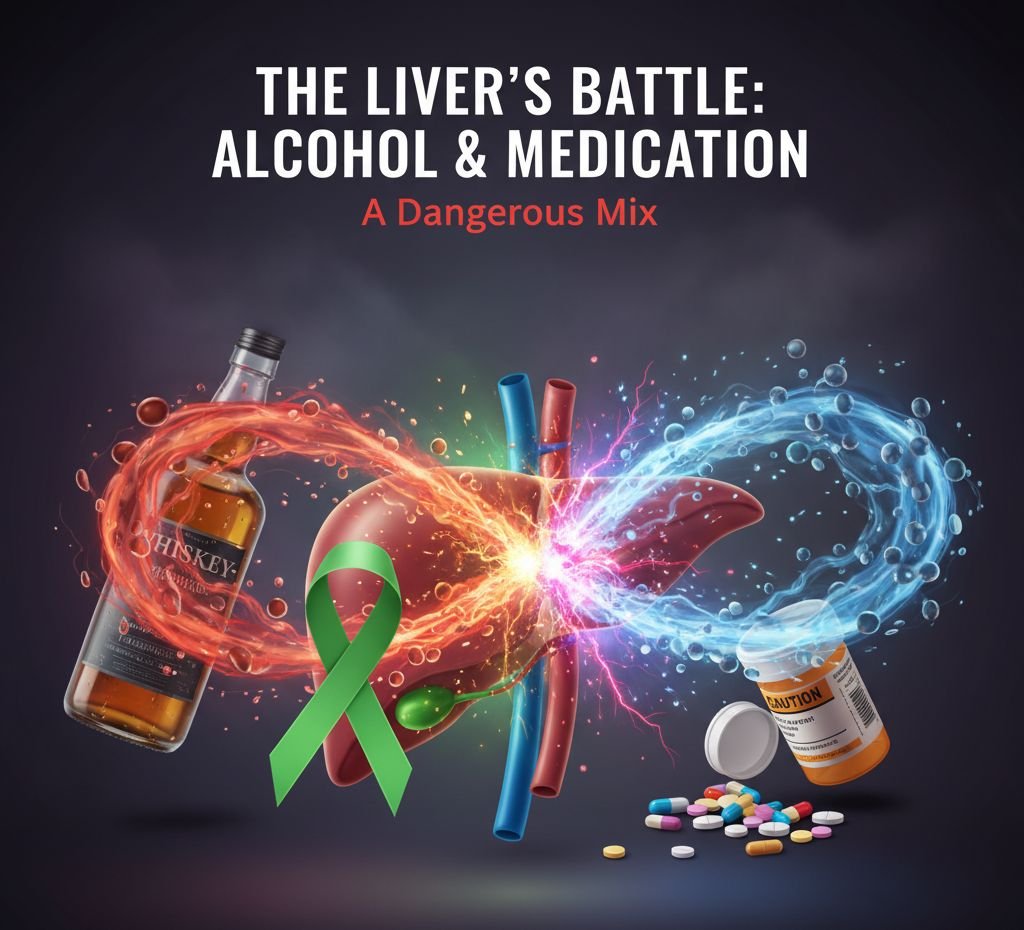
Liver is among the vital organs in the human body. It filters poisons, controls the balance of nutrients, and processes almost everything we ingest, drink, or receive as a drug. For instance, all alcohol and drug doses are subjected to the complex chemical process performed by the liver.Though the liver is very efficient, it has its limits. Combination of alcohol and medication may affect the liver because the effects are dangerous and unpredictable.
Imagine a case of a person who took pills for being ill, and at the same time, a few drinks during social events. The person might experience some slight feeling of increased fatigue and other dangerous symptoms. What seems to be a benign clash of lifestyle and treatment, can soon become a major health disaster.
Cases such as these are not uncommon and they are seldom noticed until symptoms cause the need to seek medical help. They depict the fact that little quantities of alcohol may make a significant difference in the functioning of medicine and overload the liver to its maximum load, and that alcohol-drug harmful interactions pose a great risk to overall body system.
Through closer examination of the liver processes and the ways alcohol disrupts the natural actions of the liver, one may readily appreciate why alcohol-drug interaction may be so detrimental. Let’s take a look at it.
The Liver as the Body’s Chemical Processing Plant

The liver is referred to as a chemical factory of the body. It has various functions in balance and general health and they include:
- Nutrient metabolism: Glucose is produced as energy out of carbohydrates, amino acids serve as energy and fats are digested with the assistance of bile.
- Detoxification: Toxins, such as alcohol, drug, etc., are filtered and decomposed into less toxic forms.
- Metabolism of drugs:Medications are processed by specialized enzymes, especially cytochrome P450 family, to be easier to get rid of by the body.
- Storage and regulation: Glycogen, vitamins and minerals are stored and released to the body by the liver.
How the Liver Processes Alcohol
Alcohol is not stored in the body just like food nutrients. The liver also gives alcohol metabolism a higher priority than other activities. There are three steps that are involved in the process:
- Conversion through alcohol dehydrogenase (ADH): Ethanol is oxidized to acetaldehyde that is very toxic.
- Dehydrogenation by aldehyde dehydrogenase (ALDH): Acetaldehyde is changed to acetate that is less toxic.
- Breaking down into energy: Acetate undergoes metabolic processing to give out carbon dioxide and water to be eliminated.
Although this may sound easy, enzyme activity and energy are also needed in the process and in large amounts. In taking over, the liver reduces its drug processing or even stops it when alcohol takes over. This may lead to the prolongation of medicines in the blood or toxicity.
Alcohol vs. Medications: A Competition for Enzymes

Most of the liver enzymes are responsible in metabolizing alcohol and drugs. Alcohol takes precedence and as such, it tends to alter the absorption and break down of other medications. The result of this competition may lead to two broad forms of interaction:
- Metabolism inhibition: Alcohol decreases the rate of breakdown of drugs causing high concentration in the blood.
- Metabolism induction: The liver enlarges causing more enzymes in the liver that degrades drugs among chronic drinkers, thereby making them ineffective.
Common examples include:
- Sedatives and sleeping pills: These medications may make one extremely drowsy when used with alcohol, or affect reflexes and may respiratorily depress.
- Painkillers such as acetaminophen (paracetamol): It is safe in the usual doses, although when mixed with alcohol, a person is at high risk of liver failure.
- Antidepressants and anti-anxiety drugs: Alcohol increases the side effects of the drugs, including confusion, dizziness, and poor coordination.
Due to the prevalence of such risks, medical workers encourage patients not to combine alcohol and drugs. There are trusted sources, including the guide to alcohol-drug harmful interactions provided by HSE, which stress the significance of the realization of how perilous the combination might be.
How Alcohol Overloads the Liver
The load carried out by the liver is massive when alcohol and drugs are used simultaneously. This overloading takes place in a number of ways:
1. Altered Drug Absorption
The alcohol causes irritation of the stomach mucos, slowing the gastric emptying and changing the rate at which drugs are absorbed.
2. Increased Toxic Byproducts
Alcohol and medicines may both generate toxic metabolites. These byproducts pile up and form oxidative stress when processed collectively, causing hepatic injury.
3. Liver Tissue inflammation
Alcohol causes hepatic inflammation. When hepatotoxic medications are used simultaneously, the possibility of developing such conditions as hepatitis or cirrhosis becomes very high.
4. Enzyme System Overload
Having many substances to clear, the liver is not as effective in clearing drugs, increasing toxicity and lowering the ability to detoxify.
Acute vs. Chronic Alcohol Use
The mechanism of alcohol to disrupt the metabolism of the drug is dependent on the occasional or chronic drinking.
- Acute drinking (infrequent use): Alcohol has the short-term effect of blocking liver enzymes, slowing down the breakdown of drugs. This prolongs the effects of drugs in the body making them more powerful.
- Chronic drinking (long-term use): the liver becomes accustomed to continual enzyme production by increasing its production. This accelerates metabolism of drugs making drugs less effective. Nevertheless, more harmful byproducts are produced with it as well, which predisposes liver damage.
This two-way influence is the reason why the effect of alcohol on medication is so unmonitored. A drug that seems to be dangerously strong to an occasional drinker may not be effective to one who drinks daily.
The Silent Threat: Hidden Liver Damage

Liver damage is usually silent and this is one of the reasons why alcohol-drug interactions are so harmful. Liver is capable of functioning even in the presence of serious injuries, i.e., there are no symptoms that manifest itself at an earlier stage. However, warning signs may include:
- Unexplained fatigue
- Yellowing of the skin and eyes (jaundice)
- Abdominal distension or pain.
- Dark urine or pale stools
- Nausea and vomiting and loss of appetite.
By the time these symptoms are noticeable, it may be late because conditions like fatty liver disease, hepatitis or cirrhosis may have already taken place.
Why Mixing Alcohol and Medication Is Dangerous for Everyone
The dangers of taking alcohol and drugs do not only affect individuals who have prior liver diseases. Even healthy people also experience severe consequences. Examples include:
- Antibiotics: The antibiotics used result into nausea and vomiting or rapid heartbeats with alcohol.
- Blood thinners (e.g., warfarin): Alcohol enhances the risk of risky internal bleeding.
- Antidiabetic drugs: Alcohol may reduce the blood sugar excessively and lead to fainting or seizures.
- Heart drugs: Alcohol can cause drug blocking or drug exaggeration, unstable blood pressure and heart rhythm.
Since its interactions are quite diverse depending on the type of drug and individual health, the most secure strategy is to refrain from the use of alcohol under any circumstances in conjunction with any prescription or the over-the-counter drug.
Protecting the Liver: Practical Steps
To protect the liver, one should make regular healthy decisions:

- Reduce alcohol consumption: Consume alcohol as recommended by the doctor e.g. not more than 14 units per week and spaced over a few days.
- Check drug labels: Check the labels on any medication to see if it interacts with alcohol.
- Seek medical advice: Patients should be honest about drinking patterns to allow physicians to prescribe effectively.
- Natural support to liver health: Have a balanced diet that is high in fruits, vegetables and whole grains. Be active and keep the weight down.
- Avoid needless tension: Do not combine various drugs without a doctor-prescribed staying especially when alcohol is included.
- Take professional assistance in the initial stages: In cases of alcohol consumption, professional assistance at an early stage can help avoid serious liver damage.
Final Thoughts
The liver is the central metabolism and detoxification centre of the body. It is tirelessly working to digest alcohol, medications, as well as nutrients. However, when alcohol and drugs are taken jointly, the organ gets an unbearable load. Alcohol effectively competes with the drugs with the same enzymes, changes absorption, and produces more toxic byproducts. This causes the effects of the drug to be unsure, and may cause permanent liver damage in even individuals who appear to be otherwise healthy.
By knowing the importance of the liver and its boundaries, people will be able to make rational and well-timed choices that will help to preserve their health. Not combining alcohol and taking medication is not merely a safe measure, but an essential step towards the protection of one of the most crucial organs of the body.