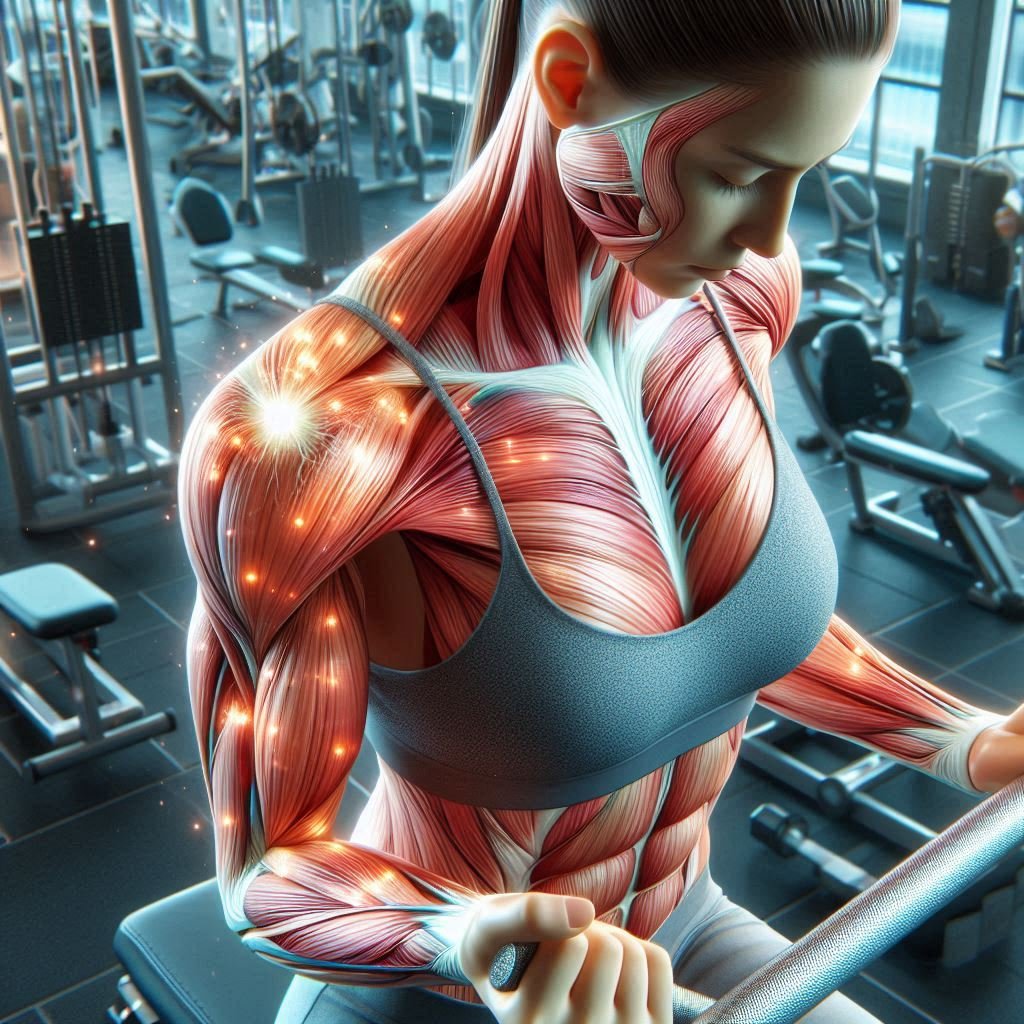
The aspect of stretching is something that is not given serious consideration in most workout programs but it is an important aspect of keeping muscles in good shape and enhancing overall fitness. Although exercises like strength and cardiovascular training are well covered, there is a major need to include stretching as it is important to improve performance and decrease the chances of getting injured. It aids in the readiness of the body to move, enhances flexibility, and aids in the restoration of the body after an exercise.
Muscles experience continuous stress whenever one is engaged in an activity or exercise. Lacking proper care, they may be made tight, less efficient and more susceptible to injury. Exercise is recommended to keep the muscles and connective tissues in their optimum elastic state. Stretching by a person can be a part of the routine, which will assist in improving the scope of movements, improving blood flow, and decreasing muscle tension.
Learning the role of stretching and the effective application of the same is a key that anyone would want to enhance his or her physical fitness. Regardless of the fact that a person is an athlete, a gym lover, or a person who performs their daily routines, stretching offers a base of safer and more efficient motions.
Learning Flexibility and Muscle Function
Flexibility is the capacity of muscles and joints to act within the entire range of motion of the joint. It is also a major element of physical fitness since it has a direct impact on the performance of the body when engaging in physical activity. The flexibility of muscles enables them to stretch and contract effectively and hence the movements become smooth and more manageable.
The muscles attach to the bones by tendons and they act in pairs to give movement. When a certain muscle contracts, the other muscle has to relax, and extend. In case muscles are tight or inflexible, such coordination becomes weaker and the probability of strain or injury increases.
The benefits of stretching include enhancement of flexibility by slowly stretching the muscle fibers and enhancing the elasticity of the connective tissues. With the passage of time, regular stretching helps increase joint mobility and enhance the movement patterns. Such benefits help in achieving general physical fitness because it allows anyone to undertake duties much easier and with minimal chances of pain.
The benefits of Stretching in improving blood circulation
The problem is that stretching increases blood flow to muscles, which is one of the major advantages. Stretching of muscles also causes the expansion of blood vessels, which enables more oxygen rich blood to reach out to the tissues. This is enhanced circulation that carries vital nutrients and eliminates the waste products.
The enhanced blood circulation is significant in maintaining physical fitness as it prepares the muscles with work and helps it to recover after it is done. Prior to exercise, the enhanced circulation warms the muscles and therefore they become more flexible and less susceptible to injury. It also decreases muscle soreness and speeds up muscle recovery after an exercise.
Improved circulation also leads to improved performance by the muscle. Proper supply of oxygen and nutrients to the muscles makes them more efficient in producing force and also prolongs their ability to sustain activity. This renders stretching a significant part of preparation to exercise as well as recovery upon the conclusion of an exercise.
Strengthening: enhancing muscle physical fitness and blood circulation.
Stretching and Prevention of Injuries
One of the most significant reasons that should be included in a fitness routine in order to prevent injuries is injury prevention. Strains, tears, and other musculoskeletal injuries are more prone to tight or inflexible muscles. Stretching is one way of minimizing this risk through enhancing muscle elasticity and joint mobility.
With the right balance of stretching of the muscles, they are able to absorb and distribute the forces produced during physical activity in a better manner. This minimizes the chances of sharp injuries due to overstrain or being overstretched. Consequently, stretching is crucial to being physically fit and to being able to go on with exercising without any harm.
Moreover, stretching can enhance posture and alignment that also can decrease the risk of injury. Unhealthy posture may cause unwarranted strain on some of the muscles which causes the imbalance and discomfort. Stretching promotes healthier movement patterns through facilitation of balanced muscle functioning.
Dynamic Stretching: Warming the Bodies up
Dynamic stretching can be defined as movement-based stretched that involve stretching which expands the range of motion gradually and prepares the body to engage in physical activity. These stretches tend to replicate the motions that are made during exercising, and hence are very effective when used as a warm up exercise.
Leg swings, arm circles and walking lunges are examples of dynamic stretching. The movements aid in raising the heart rate, better blood circulation and muscle activation. Through dynamic stretching prior to exercise, people are able to improve their physical fitness and minimize the chances of being injured.
Dynamic stretching is particularly useful in the areas of activities where speed, power, or coordination are involved. It builds up the muscles and joints to the requirements of the activity, enabling the movement to be much smoother and effective. Dynamic stretching is also useful in enhancing neuromuscular coordination because it is an active motion.
Static Stretching: Increasing Flexibility and Recovery
In the process of static stretching, one maintains a stretch in a fixed posture over a duration of time, usually 15-60 seconds. This form of stretching works best following physical activity when the muscles are in a warm state and are more receptive to stretching.
Stretching is also important in terms of enhancing flexibility, which is achieved by slowly lengthening the muscular fibres. In the long run, this results in increased mobility of the range and mobility of the joint. These advantages will help in general fitness as they enable individuals to move in a more effective way.
Besides enhancing flexibility, static stretching aids in recovery, as it decreases the tension of the muscles and leads to relaxation. The muscles can be tight or tired after a vigorous exercise. Stretching of the muscles helps in relaxing them back to the resting position.
How and When to Incorporate Stretching
In order to get the most out of stretching, I must make sure to ensure that I do it in a proper manner and time. Dynamic stretching should be done prior to the exercise as a warm-up exercise. It warms up the muscles and decreases the chances of getting an injury during exercise.
The stretching that can best be applied though is the post exercise stretching which is known as static stretching. Muscles at this stage are warm and more flexible and thus one can easily obtain deeper stretches. A cool-down program with low-resistance stretching will aid in enhancing flexibility and aid in recovery.
One should be consistent with stretching. With frequent practice, steadily, the flexibility and muscular activity improve. Stretching should be part of the exercise regime of individuals that want to enhance their physical health and not be perceived as a side activity.
To learn more on physical fitness, please refer to: Physical fitness.
Naturally, Stretching Different Fitness Levels
Stretching may be made to fit anyone regardless of their fitness level. Novices can begin with mild stretching which targets large muscle masses, and gradually get more and more intense with development of flexibility. More developed persons can include more techniques of stretching in order to involve one or another specific muscle and improve performance.
Irrespective of fitness, it should be noted that one should get into the right stretches to prevent injury. The movements must be slow and gentle without sudden and forceful movement. The breathing needs to be regular, and the retention of the breath may lead to the tension of the muscles.
With the help of the stretching routines, adapted to the personal needs, it becomes possible to enhance the physical shape of people with the help of the minimal risks of strain or discomfort.
Benefits of Stretching in the Long Run
There are more benefits of stretching in the long run than just enhanced flexibility. Stretching helps in improving the posture, decreases muscle rigidity, and improves overall mobility. These advantages aid in day-to-day living and contribute to the independence of persons as they grow old.
Stretching is also useful in the reduction of stress. Stretching helps in relaxation and may help relieve the tension in the body and mind. This is a total gain as it leads to body fitness due to the general well being.
In the long run, people that regularly incorporate stretching in their practices might incur fewer injuries and enhanced performance during physical tasks. These results indicate the essentiality of stretching as an essential part of an impartial fitness program.
Conclusion
Stretching is a vital part of muscle health and injury prevention. It helps in improving the overall physical fitness by increasing flexibility, blood flow and recovery. Stretching is a method used to warm up or cool down the body that is either done during a warm-up or cool-down process to facilitate the body to move or to recover respectively.
Knowing the distinction between dynamic and static stretching enables one to put them to practice. Dynamic stretching prepares the body to be active compared to the flexibility and recovery promoted by the statical stretching one. All these techniques combine to give a holistic solution to having healthy muscles.
Stretching is an easy but an effective method of enhancing performance and lessening injuries which can be incorporated into a regular fitness routine. Stretching can also be made a regular routine, which allows one to keep their physical health over the long run and have more comfortable and effective movement in their daily activities.