Long before the rise of complex haircare routines and shelves lined with synthetic styling products, hair maintenance was rooted in simplicity. Across cultures and generations, oiling the hair was more than cosmetic—it was restorative, intentional, and often ceremonial. Today, as more people seek cleaner ingredients and environmentally responsible options, this ancient practice is experiencing a thoughtful revival.
Hair oiling is not a trend; it’s a return.
Modern consumers are increasingly aware that what we apply to our bodies matters. Ingredient transparency, sourcing ethics, and environmental impact are becoming central to purchasing decisions. Instead of chasing temporary shine or quick fixes, many are embracing nutrient-rich botanical oils that support long-term scalp and hair health.
At the heart of this shift is a renewed appreciation for natural hair oil.
Why Oiling Has Stood the Test of Time
Traditional hair oiling has been practiced in regions such as South Asia, the Middle East, Africa, and parts of the Mediterranean for centuries. Families passed down oil blends made from coconut, sesame, argan, castor, and herbal infusions—each chosen for specific benefits.
The reasons for oiling were practical:
- Protecting hair from harsh sun exposure
- Reducing dryness in arid climates
- Strengthening strands against breakage
- Nourishing the scalp
While modern haircare science has evolved, the biological structure of hair remains unchanged. Hair fibers still need moisture balance, scalp stimulation, and protection from environmental stressors.
Unlike silicone-heavy serums that coat the hair temporarily, plant-based oils interact more holistically. When formulated properly, a natural hair oil can seal moisture, smooth cuticles, and improve overall manageability without synthetic buildup.
Understanding the Scalp–Hair Connection
Healthy hair begins at the scalp. The scalp is living skin, containing follicles, oil glands, and a delicate microbiome. Overwashing, chemical treatments, and environmental pollutants can disrupt this balance.
Botanical oils can support scalp health in several ways:
- Moisture Retention – Oils help reduce transepidermal water loss, keeping the scalp hydrated.
- Barrier Support – Plant lipids strengthen the skin barrier.
- Gentle Conditioning – Oils reduce friction between strands, minimizing breakage.
It’s important to clarify that oiling does not “grow hair overnight” or serve as a medical treatment for hair loss. However, by improving scalp conditions and reducing mechanical damage, it supports an environment where hair can thrive naturally.
Choosing the Right Oils
Not all oils perform the same way. Their molecular size and fatty acid composition influence absorption and effect.
Some widely appreciated options include:
- Coconut oil – Known for penetrating the hair shaft due to its lauric acid content.
- Argan oil – Lightweight and rich in vitamin E.
- Jojoba oil – Structurally similar to natural sebum.
- Castor oil – Thick and traditionally used for scalp massage.
Blends often combine multiple oils to balance weight and absorption. The key is moderation; a few drops are typically enough to coat the mid-lengths and ends.
The Modern Sustainability Perspective
Hair oiling aligns naturally with sustainability values. A small glass bottle can last months. Concentrated formulas reduce the need for multiple styling products. Minimalist routines translate to less packaging and fewer discarded containers.
This is where mindful brands are making a difference. Companies that prioritize ethical sourcing, recyclable packaging, and plastic-free alternatives are helping reshape the beauty industry. Supporting initiatives centered around Eco Roots zero waste products reflects a broader commitment to reducing environmental impact beyond just ingredient lists.
Sustainability in beauty isn’t about sacrificing performance—it’s about thoughtful design. When oils are responsibly sourced and packaged with care, they represent both personal wellness and ecological awareness.
Incorporating Hair Oiling Into Your Routine
Hair oiling can be adapted to different lifestyles and hair types. It doesn’t require elaborate rituals—just consistency and balance.
Pre-Wash Treatment
Apply a small amount of oil to dry hair before shampooing. Leave it on for 20–30 minutes, then wash as usual. This can help reduce moisture loss during cleansing.
Scalp Massage
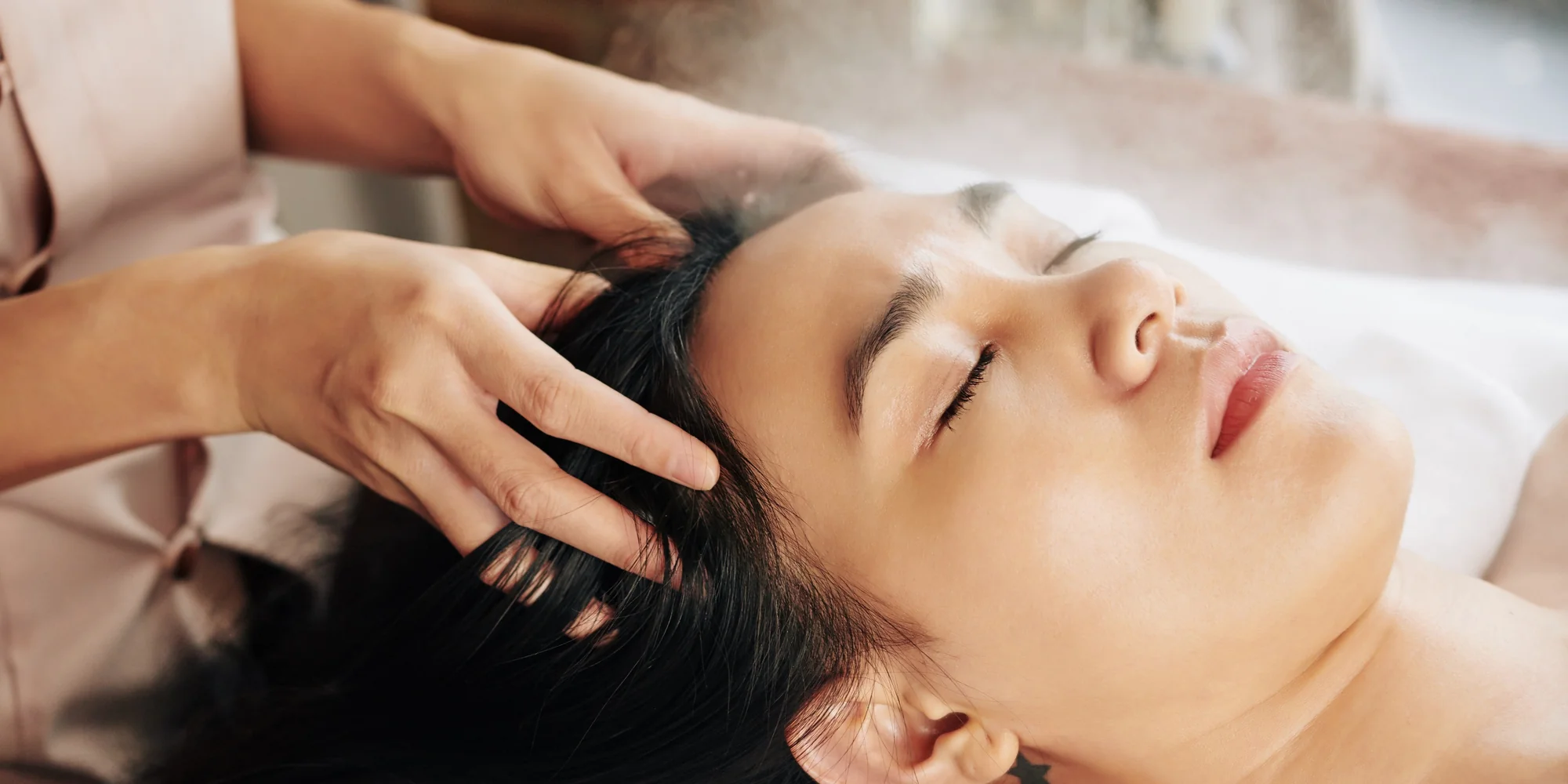
Using fingertips, gently massage oil into the scalp to stimulate circulation. Avoid aggressive pressure; gentle movements are sufficient.
Post-Wash Smoothing
After washing, apply a drop or two to damp ends to reduce frizz and add softness.
Frequency varies depending on hair texture. Coarser or curlier hair may benefit from more frequent application, while fine hair typically requires lighter use.
Reducing Dependency on Synthetic Styling Products
Many modern hair routines rely heavily on sprays, gels, and leave-in conditioners filled with artificial polymers. While these products can create immediate styling effects, they often accumulate over time and require stronger cleansers to remove.
This cycle can strip natural oils and create a dependency loop.
Plant-based oils provide a simpler alternative. When used thoughtfully, a natural hair oil can smooth flyaways, enhance shine, and reduce the need for multiple layered products. Fewer products mean less consumption—and less waste.
Supporting sustainable beauty brands that develop multipurpose essentials, including those featured among Eco Roots zero waste products, reinforces the idea that quality often outweighs quantity.
Environmental Footprint of Beauty Products
The beauty industry generates significant packaging waste annually, much of it from single-use plastic bottles and pumps. Transitioning to concentrated oils packaged in recyclable materials reduces both production energy and disposal impact.
Additionally, responsibly sourced botanical ingredients help mitigate environmental strain. Ethical farming practices, fair trade partnerships, and low-impact manufacturing processes contribute to a healthier supply chain.
When consumers choose brands aligned with these principles, they help drive demand for sustainable standards.
The Emotional Element of Ritual
Beyond physical benefits, hair oiling offers something less measurable but equally valuable: intentional pause. Massaging oil into the scalp can feel grounding and restorative. It encourages slowing down in a culture that often prioritizes speed and convenience.
Incorporating mindful rituals—even small ones—can foster a healthier relationship with self-care. Instead of reacting to perceived flaws or chasing instant transformations, hair oiling emphasizes nourishment and patience.
This perspective aligns closely with sustainability values: steady progress over rapid consumption.
Dispelling Common Myths
Some misconceptions about hair oiling persist:
“Oil makes hair greasy.”
When overapplied, yes. But in small amounts and with proper rinsing, oil should leave hair soft—not weighed down.
“Oiling clogs follicles.”
Proper cleansing prevents buildup. Lightweight oils and balanced routines minimize this risk.
“All oils are the same.”
Different oils serve different purposes. Understanding composition helps tailor results.
Education is essential to ensure that sustainable beauty choices are both informed and effective.
Looking Ahead: The Future of Conscious Haircare
As consumers demand transparency and accountability, brands are responding with cleaner formulations and environmentally responsible packaging. The return to botanical oils reflects a broader movement toward minimalism in beauty.
Instead of chasing every new product launch, more individuals are curating intentional routines centered around a few high-quality essentials. A thoughtfully chosen natural hair oil can serve as one of those foundational pieces.
Supporting initiatives that prioritize Eco Roots zero waste products demonstrates how everyday choices contribute to larger environmental goals.
Hair oiling bridges tradition and innovation. It reminds us that sometimes the most effective solutions are the simplest ones—rooted in nature and refined by experience.
By choosing plant-based oils, embracing minimalist routines, and supporting sustainable brands, we move closer to a beauty philosophy that respects both personal health and planetary well-being.
The ritual may be centuries old, but its relevance has never been more timely.