Your clothing choices deeply affect how others see you and how you view yourself. Studies show that what you wear shapes your self-image and others’ impressions, which ends up affecting how they treat you. In fact, research shows people make quick judgments based on clothes. A man wearing a bespoke suit was rated as more confident, successful, and likely to earn more than when he wore standard clothing – all this from just three seconds of exposure.
Clothing choices work as powerful non-verbal communication tools, going well beyond first impressions. The clothes we pick and accessories we use to boost our appearance tell everything in our identity. Different colors in clothing trigger specific emotional responses and cultural associations. Fashion experts have found that our wardrobe is one of the main ways we send social signals because our choices reflect who we are. The rising popularity of second-hand and vintage fashion shows more than just a change in shopping habits. It points to a deeper revolution in how people express values, foster identity, and connect with their wardrobe’s psychological aspects.
The growing appeal of second-hand and vintage fashionSecond-hand clothing sales are growing faster than ever, projected to make up 10% of the global fashion market by 2025. This big change goes beyond just shopping habits—it shows how people now connect with fashion and express their values through their clothes.
Why more people are choosing pre-loved clothes
Money matters remain the main reason people buy second-hand clothes, with about 80% of shoppers saying they do it to save money. Recent tough times have made pre-loved clothes a smart choice. Research shows that most shoppers would rather buy luxury brands second-hand than new cheaper alternatives. The second-hand market grew seven times faster than regular fashion retail in 2023, showing its strength during uncertain economic times.
People from all backgrounds and income levels buy second-hand clothes. Nearly 40% of shoppers turn to second-hand stores to get their hands on premium brands. Even wealthy shoppers now head to thrift stores to build their wardrobes, looking for that sweet spot between quality and value that regular stores can’t match. Young people might lead the way, but experts say this trend “spans generations”.
The role of sustainability in fashion choices
Shoppers feel good about making environmentally responsible choices when buying clothes. Each second-hand purchase saves about 8 kg of CO2 and cuts emissions by 82% compared to buying new. British shoppers show this shift in values—65% say they make greener choices now.
Fashion creates about 10% of global carbon emissions and uses around 93 billion cubic meters of water yearly—enough for 5 million people. Using clothes for just nine more months cuts waste by 22% and saves 33% of water. Gen Z shoppers see these numbers and turn second-hand shopping from a money-saving choice into a statement about their values.
How social media is driving vintage trends
Social media has changed how people find, share, and embrace vintage fashion. Instagram, TikTok, and Pinterest work as bustling markets where fashion lovers show off unique pieces and spark ideas. Vintage clothes have moved from a small corner of fashion into the spotlight.
Gen Z shows this change best—second-hand items fill about 32% of their closets, rising to 45% for handbags. They shop differently than older generations. Beyond saving money, they love hunting for treasures and finding rare or sold-out pieces—7% more than other shoppers.
Influencers have helped this trend explode. When Love Island promoted “pre-loved” clothes in 2022, eBay saw searches for second-hand clothing jump by 7000%. These cultural moments have turned second-hand shopping from something people used to hide into a proud choice that shows both style and values.
The psychology behind second-hand shopping
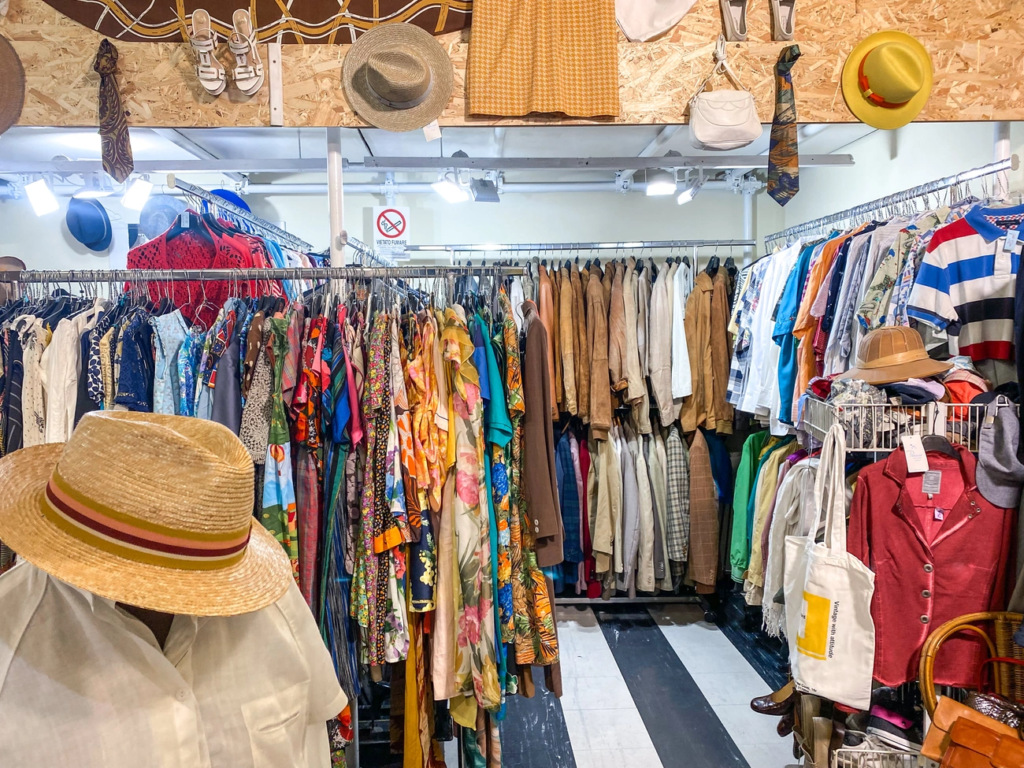
The psychology behind second-hand shopping reveals why vintage fashion captivates so many consumers. Second-hand shopping creates both emotional and neurological responses that modern retail simply can’t match.
The thrill of the hunt and uniqueness
Second-hand shopping turns a regular retail trip into an exciting adventure, unlike conventional shopping with its predictable inventory. Your brain’s reward system kicks in and releases dopamine—the neurotransmitter that makes you feel pleasure—at the time you find something unique. This creates a real “dopamine high” that makes you want to keep hunting for treasures.
This treasure-hunt aspect changes how people look at fashion completely. You never know what hidden gems might show up each time you visit a vintage store. The anticipation makes shopping feel more like a game than a simple purchase.
Mass production dominates today’s world, but vintage pieces give you something truly one-of-a-kind. This satisfies our basic need to be different and express ourselves through clothes that others can’t easily copy.
Emotional attachment and nostalgia
Nostalgia is a key reason why vintage fashion pulls us in. These clothes are like time capsules you can touch. They bring back warm feelings and take wearers to different times—even eras they never lived through. This explains why many people talk about “emotional transfer” with vintage pieces—putting on someone else’s clothes feels like you’re becoming part of their story.
Vintage fashion connects the past, present, and future in meaningful ways. Research shows that people turn to vintage shopping to feel more grounded at the time things seem uncertain. This explains why vintage becomes more popular during social or economic upheaval—these time-tested styles provide comfort in chaotic times.
The emotional connection goes beyond just nostalgia. People often feel closer to vintage items because each piece comes with its own history and character. A coffee stain or carefully fixed tear becomes part of what makes the piece special instead of a flaw.
The psychology of clothing colors in vintage wear
Color psychology adds another fascinating layer to vintage fashion’s appeal. Scientists have found that colors trigger emotional memories more strongly than almost any other sense. Your brain processes both the color and every feeling tied to it at the time you see a specific shade in vintage clothing.
Each decade’s main colors weren’t random but reflected:
- Social mood and cultural values
- Technological capabilities and limitations
- Collective esthetic vision
These vintage color combinations feel so powerful because they carry the cultural weight of entire historical periods. Original vintage colors have subtle variations and imperfections that give them depth and character, unlike modern copies that might look flat.
Your color choices say a lot about you. People who love the warm, analog tones of the 1970s respond to different psychological triggers than those drawn to the bold synthetics of the 1980s. These choices reveal more than just what looks good—they show personality traits and how you connect with different cultural moments.
Choosing vintage fashion isn’t just about picking clothes—it’s a psychological choice that connects you with history while showing your individuality in a world full of mass production and passing trends.
How second-hand fashion shapes identity
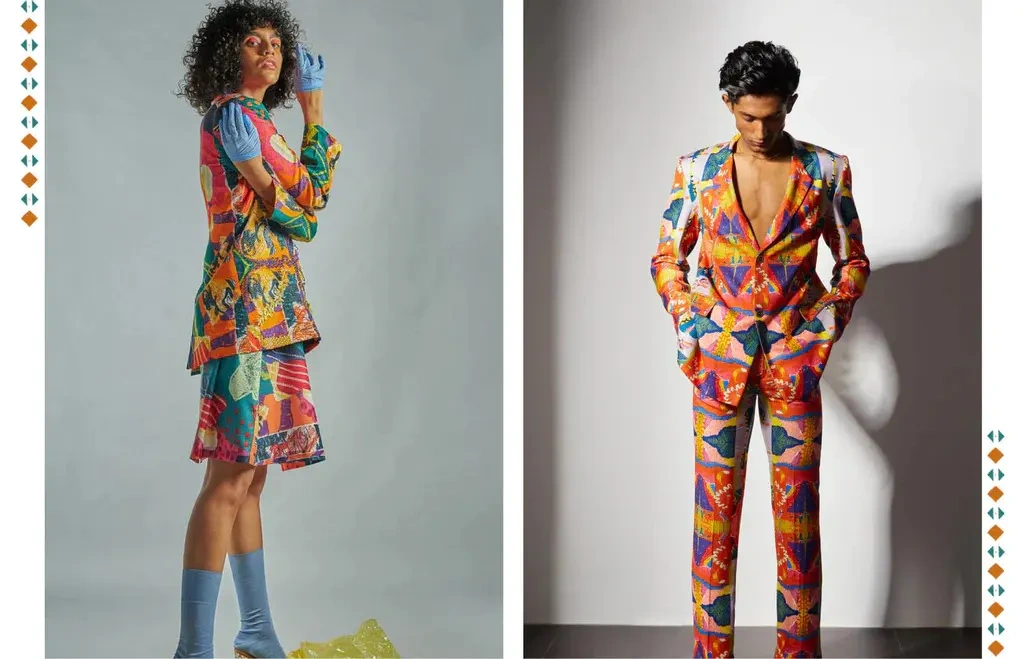
Second-hand clothing surpasses its basic material nature. It has become a powerful tool that shapes people’s self-image and their connection with the world. Vintage clothes build emotional and personal bonds between generations. Simple fabric turns into deep stories of personal identity.
Clothing as self-expression
Fashion lets people express themselves, especially those who lack power or status. DJ and filmmaker Don Letts put it well: “Black, working-class kid, that’s the only way we had to express ourselves was through the music we listened to and the clothes we wore”. Vintage clothing gives people a unique way to tell their visual stories. Each piece they pick shows who they are and what matters to them.
Young shoppers see second-hand fashion as an escape from cookie-cutter retail stores. A vintage store owner’s words ring true: “Now, people come in and see what they like. It’s liberating”. This freedom from trends sparks real creativity. People can build wardrobes that match their true personality.
The social psychology of clothing and status
Clothes have always shown wealth and taste in society. But second-hand fashion changes these old status rules by putting value on stories, history, and authenticity instead of newness. Studies show that clothes serve six distinct functions. These include both personal expression and social signals.
Vintage fashion has grown into its own status symbol. It shows environmental awareness and fashion knowledge. Former Vogue.com editor Abigail Chisman said it best: “By buying vintage, you display your understanding of the current political climate”. People now gain status through conscious choices rather than just buying new things.
Vintage fashion and individuality
Vintage pieces stand out because they’re unique. They go beyond the usual fashion rules that mass-produced clothes follow. A junior student explained it simply: “I don’t try to dress in fashion trends. I dress in what makes me comfortable… that’s the main thing behind me sewing my own clothes and buying secondhand pieces”.
Vintage fashion tells many personal stories at once. It shows rebellion against mass production and creativity in mixing different eras. People can wear genuine historical pieces, show their care for sustainability, and connect with different time periods. Another student summed it up perfectly: “Overall, I think buying second hand helps establish individuality, especially in fashion because it has a story behind it. So it’s not just mass produced, it’s yours. It’s special”.
Cultural and economic factors fueling the trend
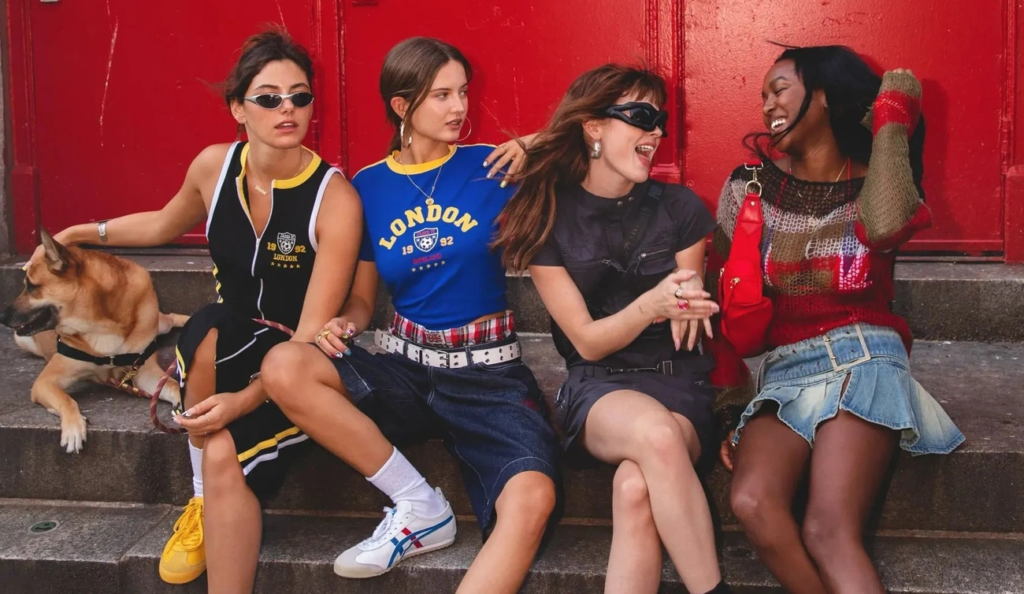
Economic ups and downs shape fashion trends and buying habits in significant ways. The relationship between money markets and style priorities creates interesting patterns that change how people view and buy vintage fashion.
Impact of economic downturns on fashion habits
Recessions change people’s clothing shopping habits completely. The 2008 financial crisis made consumers adopt minimalist esthetics and versatile wardrobes—people used the same business-casual outfits for work and social events. This practical approach to buying clothes continues today. The secondhand market grew 14% in 2024, which is five times faster than regular clothing retail. Vintage shopping becomes a smart money strategy when the economy gets shaky.
The rise of thrift culture and Gen Z influence
Gen Z loves secondhand shopping more than any generation before them—68% bought pre-loved items last year. They care about both saving money and helping the environment. Social media platforms show this trend clearly, with hashtags like #ThriftTok getting millions of views. These platforms create active communities that share their vintage discoveries.
Young shoppers see thrifting as both smart money management and an ethical choice. British consumers lead the world in buying pre-loved items, with 46% making monthly secondhand purchases. Clothes make up 72% of these buys, while shoes account for 43%.
How fashion cycles are accelerating
Fashion follows cycles naturally, traditionally sticking to the “20-Year Rule” where styles come back two decades after their original popularity. These cycles used to take years to complete. Social media and fast fashion have squeezed this timeline significantly. The basic pattern stays the same, which explains why Y2K styles from the early 2000s rule vintage trends now.
This faster cycle creates ideal conditions for vintage comebacks. Manufacturers find it more affordable to reuse existing patterns than create new designs from scratch.
Second-hand fashion in the digital age
The digital revolution has completely changed how consumers find, buy and get involved with vintage fashion. Second-hand shopping was once limited to physical thrift stores and flea markets. Now it runs in virtual spaces and creates new shopping psychology and patterns.
The role of online marketplaces and apps
Online platforms have opened up access to vintage clothing. They break geographical barriers and expand consumer reach. The resale market grows 11 times faster than the broader retail clothing sector. Predictions show it will be worth £66.71 billion by 2030—more than double the fast fashion market’s projected value.
Key platforms that propel this development include:
- Depop, with over 30 million users (90% under age 26)
- Vinted, Europe’s largest second-hand clothing app with 75 million global users
- ThredUp, whose revenue grew by 26.7% in a single quarter
- Vestiaire Collective, focusing on authenticated luxury items
Influencers and the normalization of thrifting
Social media has revolutionized how vintage fashion spreads and gains cultural acceptance. TikTok showcases thrift hauls with hashtags like #secondhandfashion generating 23.8 million views. Influencers have made vintage shopping aspirational rather than just economical.
“Since the pandemic, thanks to TikTok, a lot of people are talking about thrifting,” notes one expert. This visibility has changed perceptions, as influencers present thrifting as a form of self-expression and sustainability commitment.
How technology is reshaping vintage shopping
Artificial intelligence now powers many state-of-the-art features throughout the vintage shopping experience. Current platforms use AI to:
- Generate automatic listing descriptions from photos
- Enable visual and natural language searches
- Create customized recommendations based on browsing history
- Predict sizing for pre-owned items
These technological developments are meeting what ThredUp’s CEO calls “our dream… to build an experience that is indistinguishable from shopping new”. This ended up reshaping how consumers interact with clothing’s psychological dimensions.
Conclusion
Second-hand fashion has risen beyond a shopping preference to become a cultural movement with deep psychological roots. Vintage clothing’s remarkable growth mirrors the changes in consumer values, where uniqueness, sustainability, and personal expression now matter more than fast fashion’s appeal.
Money drives many people toward pre-loved options. Notwithstanding that, financial aspects only tell half the story. Our brain’s reward system lights up during vintage treasure hunts. This creates real dopamine responses that turn shopping from a simple transaction into an adventure. On top of that, vintage pieces carry histories and stories across generations. These create deeper emotional connections than mass-produced alternatives ever could.
Vintage clothing works as a powerful tool for identity. Wearers craft visual stories through carefully picked second-hand pieces that show their values, personality, and cultural awareness. This psychological aspect explains why vintage fashion has surpassed mere trend status. It lets people break free from standardized retail experiences and cookie-cutter esthetics.
Gen Z has without doubt sped up this change by approaching vintage shopping with fresh enthusiasm. Their tech-savvy nature has made second-hand fashion more accessible through platforms like Depop, Vinted, and ThredUp. What started as physical thrift-store browsing now runs on virtual spaces. AI-driven innovations boost the shopping experience.
Fashion moves in cycles, yet the current love for vintage means more than temporary nostalgia. Today’s second-hand movement challenges traditional consumption models instead of just bringing back old styles. The market’s projected growth to £66.71 billion by 2030, outpacing fast fashion, shows this change will revolutionize the industry.
Economic sense, psychological satisfaction, and tech advances join to transform second-hand fashion from necessity to celebrated choice. This remarkable rise shows how clothes surpass their material nature. They become a canvas where personal psychology, cultural values, and economic realities blend to create true meaning.
FAQs
1. Why has second-hand fashion become so popular in recent years?
Second-hand fashion has gained popularity due to its affordability, sustainability, and unique appeal. Consumers are increasingly drawn to vintage clothing for its ability to express individuality, reduce environmental impact, and offer high-quality items at lower prices.
2. How does buying vintage clothing impact the environment?
Purchasing second-hand clothing significantly reduces environmental impact. Each pre-loved item bought displaces approximately 8 kg of CO2 emissions and reduces overall emissions by 82% compared to buying new garments. This practice also helps extend the lifespan of clothing, reducing waste and water consumption in the fashion industry.
3. What role does social media play in the rise of vintage fashion?
Social media platforms like Instagram, TikTok, and Pinterest have transformed vintage fashion discovery and sharing. These platforms serve as vibrant marketplaces where enthusiasts showcase unique finds, influencers promote thrifting, and trends quickly spread, normalizing and popularizing second-hand shopping.
4. How does vintage shopping differ psychologically from buying new clothes?
Vintage shopping offers a unique psychological experience. It activates the brain’s reward system, creating a “thrill of the hunt” sensation. Additionally, vintage pieces often carry emotional resonance and nostalgia, allowing wearers to form deeper attachments to their clothing and express their individuality more authentically.
5. What technological innovations are shaping the future of second-hand fashion?
The second-hand fashion market is being revolutionized by technology. Online marketplaces and apps have made vintage shopping more accessible, while artificial intelligence is being used to generate automatic listing descriptions, enable visual searches, create personalized recommendations, and even predict sizing for pre-owned items, enhancing the overall shopping experience.