One of the least controllable biological processes that all living organisms undergo is aging. Since the time of conception, the human body passes through constant cycles of growth, development and decline. Although the young population is defined by fast cell division, cell regeneration and physical strength, aging is defined by the slow suppression of these activities. Since we all live longer due to improved medicine and overall health, it has become more important to investigate the physiology of again, otherwise known as how and why our bodies change as we age.
Aging is not a disease though predisposes to disease. It is a multifactorial and complicated process, which is shaped by genetics, environment, lifestyle, even psychological effects. The article discusses the changes in the human body due to aging, both on the cellular and the organ systems, with emphasis on the mechanisms, effects, and possible interventions that affect longevity and quality of life.
Understanding the Process of Aging
Aging starts way earlier than most individuals think. Senescence also known as biological aging is the deterioration of functional properties at the cell and system levels. Scientists are of the opinion that ageing is mainly brought about by cellular and molecular damage which accumulates over time. This destruction of tissues, organs and body systems lowers the effectiveness of these systems.
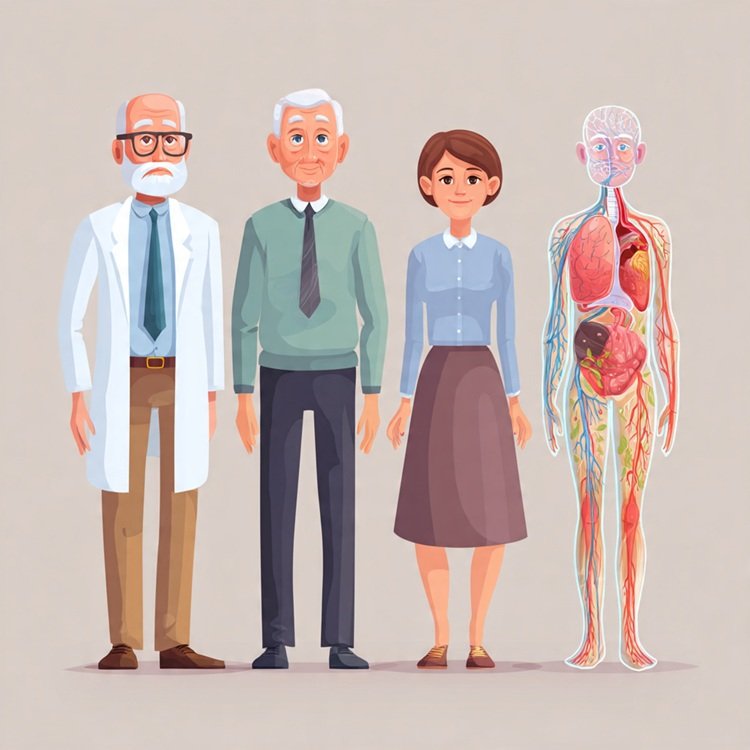
The cells are continually regenerative and repairing in young persons. This regenerative power however decreases with time. The body processes to sustain homeostasis fail and the processes that previously operated in harmony begin to lose their synchrony. It is not a single factor, however, but a mixture of genetic, biochemical, and environmental factors that leads to aging.
Cellular Aging: The Foundation of Decline
The cellular level marks the beginning of aging. The body cells possess a finite ability to divide, and this is called the Hayflick limit. The human cell has the potential to divide between 40 to 60 times after which it ceases to divide. The process is referred to as cellular senescence, and it is one of the primary causes of aging. Senescent cells become incapable of their normal functioning and fail to die instead they stay in the organism and release inflammatory substances that can hurt the healthy cells around them.
One of the stakeholders in cell aging is the telomere- a structure at the end of chromosomes that safeguards DNA when a cell divides. The telomeres of a cell decrease in size every time the cell divides. In cases where telomeres are too short, the cell loses its ability to multiply and runs into senescence. This is a biological clock that shortens the cell life cycle and helps to age tissues.
The regeneration of cells also known as cell regeneration also becomes extremely sluggish as one grows older. Youth cells are known to regenerate quickly repairing tissues and replacing those that are damaged. With age though, the activity of the stem cell decreases, and the body becomes unable to regenerate effectively. This causes delayed healing of wounds, weaker muscles and skins that are thin- a characteristic of old age.
Oxidative Stress and Free Radicals
Oxidative stress is another significant factor that causes aging an imbalance between free radicals (unstable molecules) and antioxidants in the organism. Free radicals occur naturally in the process of metabolism, and they may also enter into the body as a result of pollution, smoking, and radiation. Upon their accumulation they destroy DNA, proteins and cell membranes.
Eventually, oxidative damage results in failed functioning of mitochondria (the energy factories) found inside the cell, decreased energy generation as well as heightened inflammation. In the 1950s, the free radical theory of aging was proposed which postulates that the buildup of such damage is a significant draw in the aging process. Although the body possesses antioxidant defenses, they decrease in strength as one grows older and causes increased cell damage and functional impairments.
Hormonal and Genetic Factors
Hormones are also very essential to aging. Hormone concentrations like growth hormone, estrogen, testosterone, and melatonin start to decrease during the adulthood stage. This hormonal disequilibrium has an impact on metabolism, mood, sexual functioning, and vitality. An example is menopause in women and andropause in men, which are crucial points at which hormonal changes increase the symptoms of aging.
Genetically speaking, there are some genes which determine our life span and the quality of life. These long life genes control such processes as repair of DNA, resistance to stress, and inflammation. Differences in such genes can be the reason behind the fact that there are individuals who live above 100 years and have few age-related illnesses. Nevertheless, changes in lifestyle like diet, exercise and stress management are capable of altering the expression of these genes a phenomenon referred to as epigenetics.
Aging and the Body Systems
With the aging of the body, physiological changes take place in almost all of the body. Although these changes are different in individuals, there are uniform patterns.
- The Cardiovascular System
The cardiovascular system and heart undergo massive aging. Arteries stiffen and lose elasticity a phenomenon known as arteriosclerosis. This raises the pressure in the blood and makes the heart labored, which may result in high blood pressure, heart failure, and heart disease.
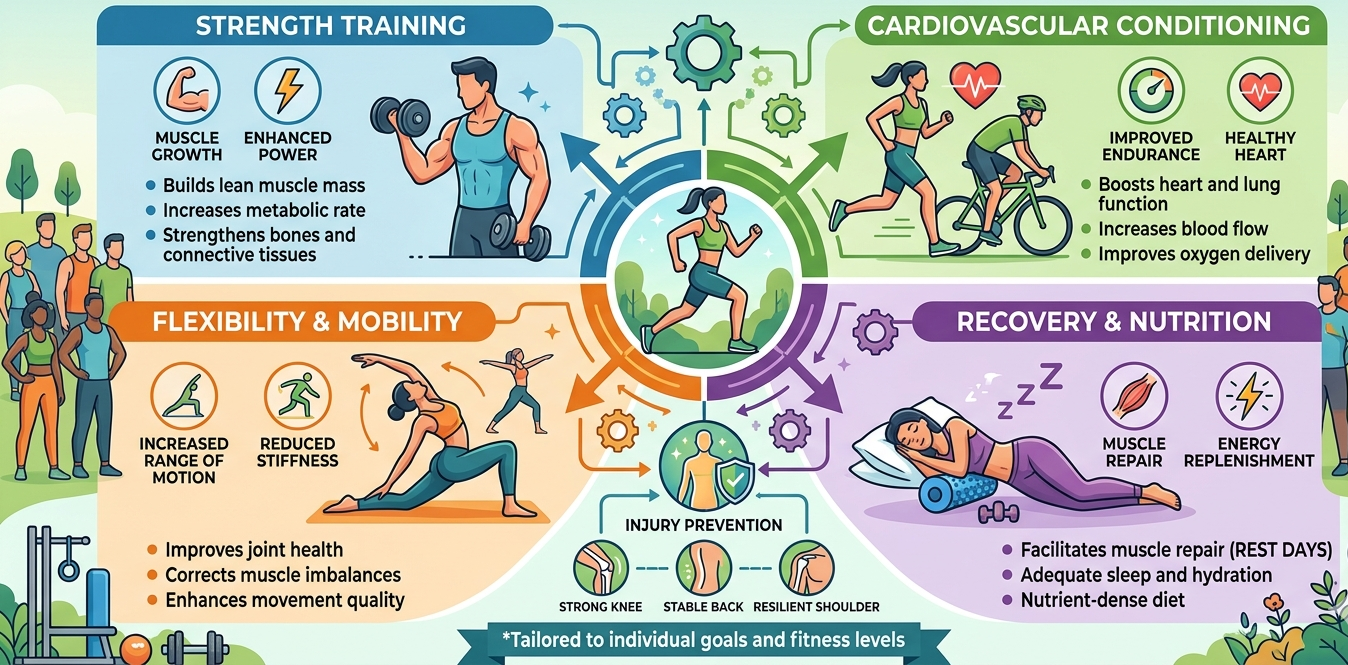
The heart muscle also weakens thus lowering the pumping capacity of the heart. Moreover, the heart electricity system, which helps in keeping the heart in rhythm becomes very irregular and can lead to arrhythmias. All these cardiovascular changes can be delayed by regular aerobic exercise, a healthy diet and avoiding smoking.
- The Respiratory System
The old age causes the lung tissue to lose its elasticity making the total lung capacity less. The muscles of the diaphragm and chest wall become weak and this reduces breath efficiency. The alveoli, or small air sacs upon which gaseous exchange takes place, no longer have their shape and become less efficient in oxygen exchange. In turn, elderly people might experience dyspnea when engaging in physical activity.
Breathing exercises, good posture and the avoidance of pollutants can be practiced to maintain respiratory health.
- The Musculoskeletal System
The muscles, bones and the joints change significantly with aging. The loss of calcium and other minerals leads to bone loss thereby causing osteoporosis and fractures. The muscle mass and strength also decrease, which is known as sarcopenia, and it makes movements slower and less stable.
As a result of wearing, joint cartilage becomes rigid and causes arthritis. Musculoskeletal decline and mobility can be slowed down by physical exercise particularly strength and flexibility training.
- The Nervous System
The nervous system and the brain also undergo radical aging. The cells of the nerves (neurons) become narrower and can be lost. Neural communication becomes slower, this has an impact on memory, reflexes, and coordination. There is also a decrease in neurotransmitters such as dopamine and serotonin which affect mood and cognition.
As much as certain aging of the brain is normal, there are also diseases like the Alzheimer and Parkinson that are associated with the pathological aging of the brain. It has been demonstrated that cognitive decline can be slowed down through cognitive stimulation, mental exercise, and social interaction.
- The Endocrine and Metabolic Systems
Many physiological processes are regulated by the endocrine system by producing hormones. The glands grow older and the levels of hormones change, thus, changing metabolism and body composition. As an example, the risk of insulin resistance is more pronounced and aged people become susceptible to type 2 diabetes. On the same note, low metabolic rate may cause weight gain when the food habits remain constant.
A healthy endocrine balance can be maintained through eating a high fiber content of food, whole grains, and healthy fats, and maintaining insulin sensitivity with regular exercise.
- The Digestive System
The digestive system is also influenced by aging since it decelerates the passage of food on the gastrointestinal tract. Constipation and problems with absorbing nutrients can be caused by the reduced output of saliva, the decrease in the strength of intestinal muscles, and alterations in the microbiota of the gut. Also, the liver loses its detoxification capacity and this influences the way the body metabolizes drugs.
Healthy digestion can be achieved by eating fiber rich foods, taking lots of water and reducing processed food.
- The Immune system
As one gets old, the immune system becomes weak- the process is called Immunosenescence. This results in decreased immune response to infections, impaired wound healing, and an impaired response to the vaccination. The immune cells are produced less, and the body cannot differentiate between normal and abnormal cells, which predisposes them to cancer.
The immune system of older adults requires regular exercise, sleep, and a well-balanced diet (particularly, vitamins C, D, and zinc).
- The Integumentary System (Skin, Hair, and Nails)
The passage of the time is visible through the skin. The collagen and elastin fibers are broken down leading to the development of wrinkles and sagging. The skin turns thin, drier, and incapable of healing fast. There is shrinkage of hair follicles which results in loss of hair or graying due to death of pigment cells.
Photoaging is the effect of exposure to ultraviolet radiation that increases at a faster speed. This is because the use of sunscreen, hydration, and antioxidants can prevent the skin against early aging.
- The Renal and Urinary Systems
The efficiency of the kidneys in filtering blood is impaired and so is their efficiency in waste elimination. The bladder loses its elasticity resulting in high frequency and urgency. Prostate growth in men can cause problems with urinary, and weakening of the pelvic floor in women can cause urinary incontinence.
Strain on the urinary system can be minimized by adequate hydration, exercise, and a limited intake of alcohol or caffeine.
- The Reproductive System
Both men and women are susceptible to reproductive aging. Menopause is common among women between the age of 45 and 55 because of the cessation of menstruation and fertility. This transformation is caused by the decrease in the concentration of estrogen and progesterone, which causes such symptoms as hot flashes, mood fluctuations, as well as the loss of bone mass.
The testosterone levels in men decrease slowly, and this is associated with libido, energy, and muscles mass. Fertility can be maintained but the quality of sperm is lowered. These effects can be treated with the use of hormone replacement therapies and lifestyle changes.
Theories of Aging
There are several theories advanced by scientists to explain ourselves as growing old. They may be classified as programmed theories and damage theories.
- Programmed Theories
These imply that biological clocks determine the aging process which is a genetic program. Examples include:
- Telomere shortening theory
- Endocrine theory (regulation of aging by hormones)
- Immunological theory (wearing out of the immune system)
- Damage Theories
These postulate that the process of aging is caused by the accumulation of the damage to cells and tissues. Examples include:
- Free radical theory
- Wear and tear theory
- The cross-linking theory that proposes that the protein molecules unite in unusual links that subsequently causes the stiffness of tissues and dysfunction of organs.
In practice, however, it is probably the case that aging is a product of these mechanisms working together.
Delaying the Aging Process: Can We Live Longer?
Although we cannot prevent aging, studies indicate that we can control the rate of aging. Some lifestyle and environmental interventions have been also found to delay physiological aging and lengthening lifespan.
- Diet and Nutrition
A nutritious diet, high in antioxidants, low-protein foods, whole grains, and healthy fats is beneficial towards lowering inflammation and oxidative stress. Other types of diets, like the Mediterranean and plant-based diets, have been associated with long life span.
- Exercise
Frequent exercise enhances the health of the heart, builds muscle, improves metabolism, and elevates the mood. Aerobic and resistance exercises are good in aging individuals.
- Mental Health
Persistent stress speeds up aging by increasing the level of cortisol. The emotional well-being is maintained with the help of mindfulness, social interaction, and mental stimulation (reading or puzzles).
- Sleep
Sleep provides sufficient rest and cell building. Adults are supposed to get 7-8 hours of peaceful sleep every night.
- Avoiding Toxins
Reduced exposure to pollutants, alcohol and tobacco inhibits oxidative damage and maintains cellular functioning.
- Medical Advances
Recent research on stem cell treatment, gene editing and anti-aging medications (such as metformin and rapamycin) demonstrate potential to prolong life by acting on aging-associated cellular pathways.
Conclusion
Aging is a universal natural process that has some complicated biological basis. It starts at the cellular level which slowly affects tissues, organs and systems. Although we are powerless to stop aging, we can use the physiology of aging to take preventive measures to keep healthy and alive.
Through healthy nutrition, exercise, psycho-social factors, and contemporary healthcare, human beings can not merely live longer but are in fact aging better – remaining independent, resilient, and have good living well into their old age.
Aging will always be a growing field of study with the awareness, science, and lifestyle options showing that time can never be undone, but the process through it may be influenced.