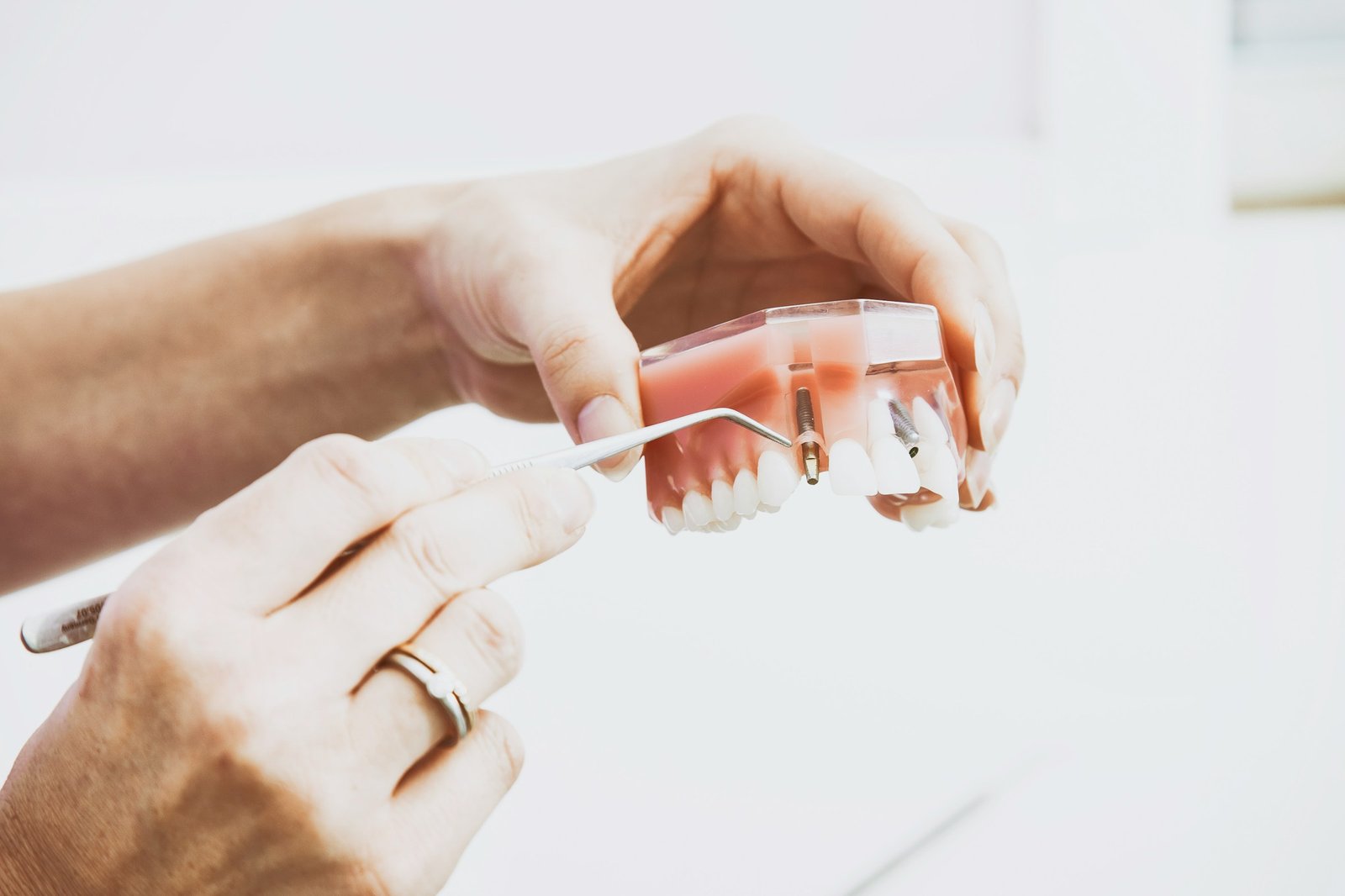
Diabetes Management affects more than your blood sugar. It also affects your mouth. When your blood sugar stays high, your gums can swell, bleed, and pull away from your teeth. This makes infection more likely. Then the infection pushes your blood sugar even higher. You end up in a loop that wears you down. Strong periodontal care breaks that loop. When you control gum inflammation, your body can control blood sugar with less effort. Your energy improves. Your risk of heart and kidney problems drops. Your breath improves. Your teeth last longer. If you are living with diabetes, you cannot treat your mouth as separate from the rest of your body. Instead, you need one clear plan that connects your doctor, your dentist, and your daily habits. For many people, that plan begins with gum disease treatment in Webster and a few firm changes at home.
How Diabetes Affects Your Gums
High blood sugar changes your saliva. It makes it easier for harmful bacteria to grow along your gumline. Those bacteria form sticky plaque. Then plaque hardens into tartar that you cannot remove with brushing. Your gums start to swell and bleed. Over time the support around your teeth breaks down. This is periodontal disease.
According to the Centers for Disease Control and Prevention, people with diabetes are more likely to have gum disease and often heal more slowly after dental treatment. That slow healing means small gum problems can grow into deep infections if you wait.
How Gum Disease Affects Your Blood Sugar
Gum disease is a chronic infection. Your immune system reacts to it all day and all night. That constant reaction releases chemicals that raise blood sugar. Your insulin has to work harder. Your medicines may seem weaker. You might notice higher readings even when you eat the same food.
When your gums heal, that constant strain on your body eases. Many people see better blood sugar numbers after treatment. Some need less diabetes medicine. Others find their readings swing less during the day. You gain more control with the same effort.
What Research Shows About the Link
Studies show a clear two way link between periodontitis and diabetes. Untreated periodontitis raises the risk of poor glucose control. At the same time poor glucose control raises the risk of severe periodontitis. Each condition feeds the other.
The National Institute of Dental and Craniofacial Research reports that people with diabetes have a higher chance of losing teeth and often show gum problems at younger ages. Early care changes that path. Treatment reduces infection and can improve A1C levels in some patients.
Comparison of Healthy Gums and Gum Disease in Diabetes
| Factor | Healthy Gums with Diabetes | Gum Disease with Diabetes |
|---|---|---|
| Blood sugar control | More stable readings | Frequent spikes and higher A1C |
| Gum symptoms | No bleeding. Firm and pink tissue | Bleeding. Swelling. Gum loss |
| Infection risk | Lower risk of mouth infections | High risk of deep gum infection |
| Tooth stability | Teeth feel solid when chewing | Loose teeth and bite changes |
| Long term health | Lower risk of heart and kidney problems | Higher risk of heart and kidney strain |
Warning Signs You Should Not Ignore
You might think gum problems are minor. With diabetes they are early warning signs. Pay close attention if you notice three common changes.
- Gums that bleed when you brush or floss
- Bad breath that does not improve with brushing
- Teeth that feel loose or fit together differently when you bite
Other signs include red or tender gums and pus between teeth and gums. If you notice any of these, schedule a periodontal check soon. Waiting makes treatment harder and recovery slower.
What Periodontal Care Looks Like
Periodontal care is more than a quick cleaning. Your dentist or periodontist measures the pockets around your teeth. These pockets show how far the disease has spread. Then your care team builds a plan based on your health and your blood sugar control.
Treatment can include three main steps.
- Deep cleaning. Scaling and root planing to remove plaque and tartar under the gums
- Medicine. Local antibiotics or rinses to reduce bacteria
- Ongoing visits. Regular cleanings and checks to keep the infection from returning
For severe cases, surgery may be needed to clean deep pockets or rebuild lost bone. Your diabetes care team should know about any planned dental surgery so they can guide your blood sugar plan around the procedure.
How to Protect Your Gums When You Have Diabetes
You can protect your gums with simple daily steps. These steps support your dental treatment and your diabetes care at the same time.
- Brush your teeth twice each day with fluoride toothpaste
- Clean between teeth once each day with floss or another tool your dentist recommends
- Use an alcohol free mouth rinse if your dentist suggests it
- Keep your A1C as close to your target as you can
- Stop smoking or using tobacco. Ask for help if you need support
- Schedule dental visits at least twice each year or more often if advised
Each small habit cuts down the bacteria in your mouth. That reduces inflammation. Your body then uses less energy fighting infection and more energy managing blood sugar.
Working With Your Health Care Team
Your gums sit at the center of your health. You need your dentist, your periodontist, and your diabetes care team to share information. Always tell your dentist about your latest A1C and any changes in your medicines. Always tell your doctor about gum symptoms or dental treatment plans.
When your care team works together, they can adjust your medicine around dental visits. They can time cleanings and surgery for days when your blood sugar runs steadier. They can respond faster if you show signs of infection.
Taking the Next Step
Periodontal disease and diabetes feed each other. That link can feel harsh. It can also be a chance. When you treat gum disease, you give your body relief. You give your blood sugar a better shot at control. You protect your heart, your kidneys, and your smile at the same time.
Start by paying attention to your gums today. Notice any bleeding, swelling, or loose teeth. Then schedule a periodontal check and share your diabetes history. With steady care and honest talks with your health team, you can break the cycle and protect both your mouth and your blood sugar.