The decision to publish a physical book—whether for a novel, a business report, or a family history—is a significant investment in your content. The final quality of the physical object determines its marketability, durability, and the reader’s overall experience. Successful book printing relies on informed choices made across three core areas: the printing technology used, the material specifications, and the partnership with the service provider.
Technology: Digital vs. Offset for Book Printing
Modern book printing offers two primary production methods, each suited to different goals:
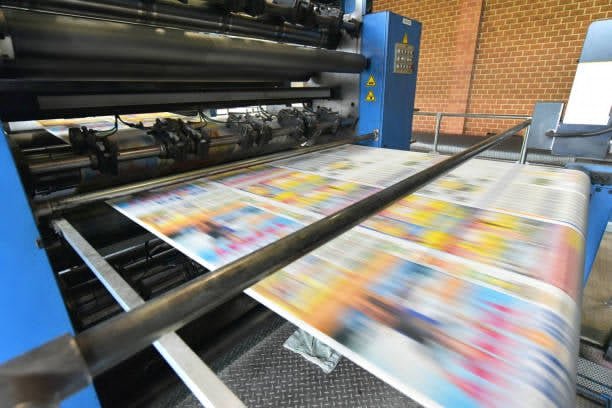
- Digital Printing: This method is the clear winner for short-run book printing and print-on-demand (POD) services. It eliminates the high setup costs associated with plates, making it extremely cost-effective for quantities under 1,000 copies. The key advantages are rapid turnaround and the flexibility to make content updates between small batches.
- Offset Printing: For large volume orders (typically over 2,000 copies), offset remains the most economical choice per unit. It provides superior colour accuracy and consistency, making it the preferred method for high-end photography books and large-scale commercial publishing.
For most independent authors and small publishers today, digital technology provides the optimal balance of professional quality and financial flexibility.
Essential Material Choices for a Professional Finish
The physical specifications are the primary determinants of quality and feel. A reliable book printing service will offer consultation on:
- Binding: The method must match the book’s purpose. Perfect binding is the standard softcover look. Case binding (hardcover) offers maximum durability. Wire-O/Spiral binding is ideal for workbooks and manuals that need to lie flat.
- Paper Stock: This is chosen based on weight (thickness) and finish (gloss, matte, or uncoated). Novels typically use uncoated paper to reduce glare, while glossy stock is reserved for photo-heavy interiors to make images pop. The correct weight also prevents text “show-through.”
Why Local Expertise Matters
Choosing a local provider for your book printing project offers distinct benefits that global services often cannot match. Having a local team means you can personally review physical proofs, discuss complex specifications face-to-face, and often benefit from faster production and shipping times without international logistics delays.
For authors, self-publishers, and businesses demanding high-quality workmanship, local knowledge is invaluable. Accessing professional book printing in Melbourne provides the assurance of dealing with experienced specialists who can quickly turn digital files into bookstore-ready publications, offering bespoke guidance on everything from cover design to final packaging.
Conclusion
Book printing is a craft where details matter. By making informed decisions about technology, materials, and your printing partner, you ensure that your manuscript is presented as a high-quality, durable product that successfully engages its intended audience.