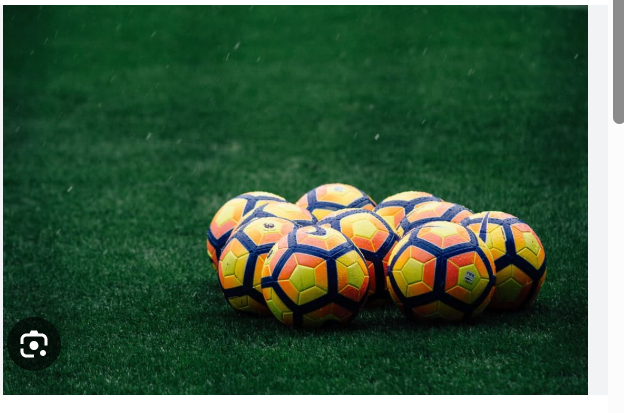
In the manufacturing industry, selecting the right partner for sourcing materials and products is crucial. For companies specializing in sports equipment, finding a reliable sports ball supplier can make all the difference in quality, cost efficiency, and overall success. This article explores why choosing the right supplier matters, the key qualities to look for, and how to build a strong business relationship with your sports ball supplier.
Understanding the Role of a Sports Ball Supplier
A sports ball supplier plays an essential role in the manufacturing supply chain by providing raw or finished products required for production. Whether you manufacture soccer balls, basketballs, volleyballs, or other types, your supplier must consistently deliver high-quality goods to ensure your end products meet customer expectations.
Reliable sports ball suppliers offer a variety of materials, designs, and customizations, allowing manufacturers to tailor their offerings to specific markets. Beyond supplying products, they often provide valuable insights into the latest industry trends and technologies.
Key Factors When Choosing a Sports Ball Supplier
Selecting the ideal supplier requires careful evaluation of several critical factors to ensure the partnership supports your business goals.
Quality and Consistency
Quality is the foundation of any manufacturing process. A sports ball supplier must adhere to strict quality control measures and deliver consistent products that meet international standards. This consistency helps avoid production delays caused by defective materials and strengthens your brand reputation.
Range of Products and Customization
A diverse product range enables manufacturers to source all needed items from one supplier, simplifying the procurement process. Additionally, customization options such as logos, colors, and packaging allow for tailored branding, which is increasingly important in a competitive market.
Pricing and Payment Terms
Cost management is essential in manufacturing. The best suppliers offer competitive pricing without compromising quality. Flexible payment terms and transparent pricing structures contribute to better cash flow management and long-term financial planning.
Delivery and Logistics
Timely delivery is vital to maintaining production schedules. A sports ball supplier with efficient logistics can ensure bulk orders arrive on time, reducing the risk of production halts. Suppliers with reliable shipping partners and clear communication channels are preferred.
Sustainability Practices
With growing environmental awareness, many manufacturers prefer suppliers who implement sustainable production methods and use eco-friendly materials. Partnering with such suppliers can improve your company’s sustainability profile and attract environmentally conscious customers.
Benefits of Partnering with a Reliable Sports Ball Supplier
Establishing a partnership with a trusted sports ball supplier brings numerous advantages to manufacturers.
Improved Product Quality
Consistent supply of high-quality materials ensures that finished sports balls perform well and last longer. This reliability helps build customer loyalty and enhances brand image.
Cost Savings
Bulk purchasing and negotiated contracts with dependable suppliers often lead to cost reductions. These savings can be passed on to customers or reinvested in product development and marketing.
Streamlined Production Processes
When materials arrive on time and meet specifications, production runs smoothly without interruptions. This efficiency increases overall productivity and reduces waste.
Access to Industry Innovations
Top suppliers stay updated on market trends and technological advancements. Collaborating with them can provide early access to new materials or manufacturing techniques that improve product offerings.
Challenges in Managing Supplier Relationships
While the benefits are clear, maintaining a successful relationship with a sports ball supplier also requires overcoming some challenges.
Communication Barriers
Misunderstandings can occur if communication channels are not clear. Establishing regular meetings, clear points of contact, and thorough documentation can reduce risks.
Quality Control Issues
Even the Sports ball supplier might occasionally deliver products that fall short of standards. Prompt feedback and corrective measures are essential to resolving such problems quickly.
Market Volatility
Fluctuations in demand or raw material prices can affect supplier performance. Flexible contracts and contingency planning help manufacturers navigate these uncertainties.
Tips for Building a Strong Partnership
A strong relationship with your sports ball supplier can contribute significantly to long-term success. Here are some tips to foster this partnership:
Establish Clear Expectations
From the outset, clarify quality standards, delivery schedules, pricing terms, and customization requirements. Document these agreements to avoid confusion.
Maintain Open Communication
Frequent and transparent communication helps anticipate issues and facilitates timely problem-solving. Using collaborative platforms can streamline information exchange.
Conduct Regular Performance Reviews
Periodic evaluations of supplier performance based on quality, delivery, and service encourage continuous improvement.
Foster Mutual Trust and Respect
A partnership based on trust encourages suppliers to prioritize your orders and offer better support during challenges.
Conclusion
For manufacturers in the sports industry, choosing the right sports ball supplier is a strategic decision that influences product quality, operational efficiency, and profitability. By prioritizing quality, reliability, and collaboration, companies can build strong supplier relationships that drive business growth and satisfy customer demands.
Investing time and resources in selecting and maintaining a good supplier partnership not only simplifies manufacturing but also positions your brand for success in a competitive market.