Life is dependent on movement, however, not physical but the ongoing internal movement of blood which supplies oxygen, nutrients, and other essential substances to all the cells in the body. The human circulatory system is like a strong and efficient transport system that supports life by maintaining the provision of all tissues to whatever they need to operate and eliminates waste products that could otherwise destroy them. Though it may seem something obvious, this machine starts functioning in the pre-natal period until the very end of life.
Knowledge of the human circulatory system will help to understand how the human body maintains homeostasis, how it adapts to the physical needs, and how it keeps the body healthy in the long term. The heart, blood and blood vessels are all an integrated system, which varies in activity to suit the changing conditions, exercising, resting, sickness and stress. Organs work well when the circulation is at its normal level. Its interference can lead to the problems of all body parts.
This paper provides clear and detailed explanation of circulatory system, including the key elements, and the way the circulatory system operates to maintain the body and ensure proper health.
General Introduction to the Human Circulatory System
A cardiovascular system or the human circulatory system is the system that is involved in the movement of blood in the body. Blood transports oxygen to tissues, the digestive system to the cells, hormones to the target organs, and the waste products to elimination organs.
This system is a combination of three major systems the heart, blood and blood vessels. All the parts play their specific role, but none of them can offer its functionality alone. The heart is the pump, blood is the medium of transportation and blood vessels are the channels through which blood flows.
The circulatory system is a network that is closed in nature i.e. blood does not move freely in the body cavities but moves continuously in the vessels. This design enables close regulation of blood pressure, flow rate and distribution to the organs so as to provide them with some blood supply depending on their requirement.
The Heart: The Central Pump
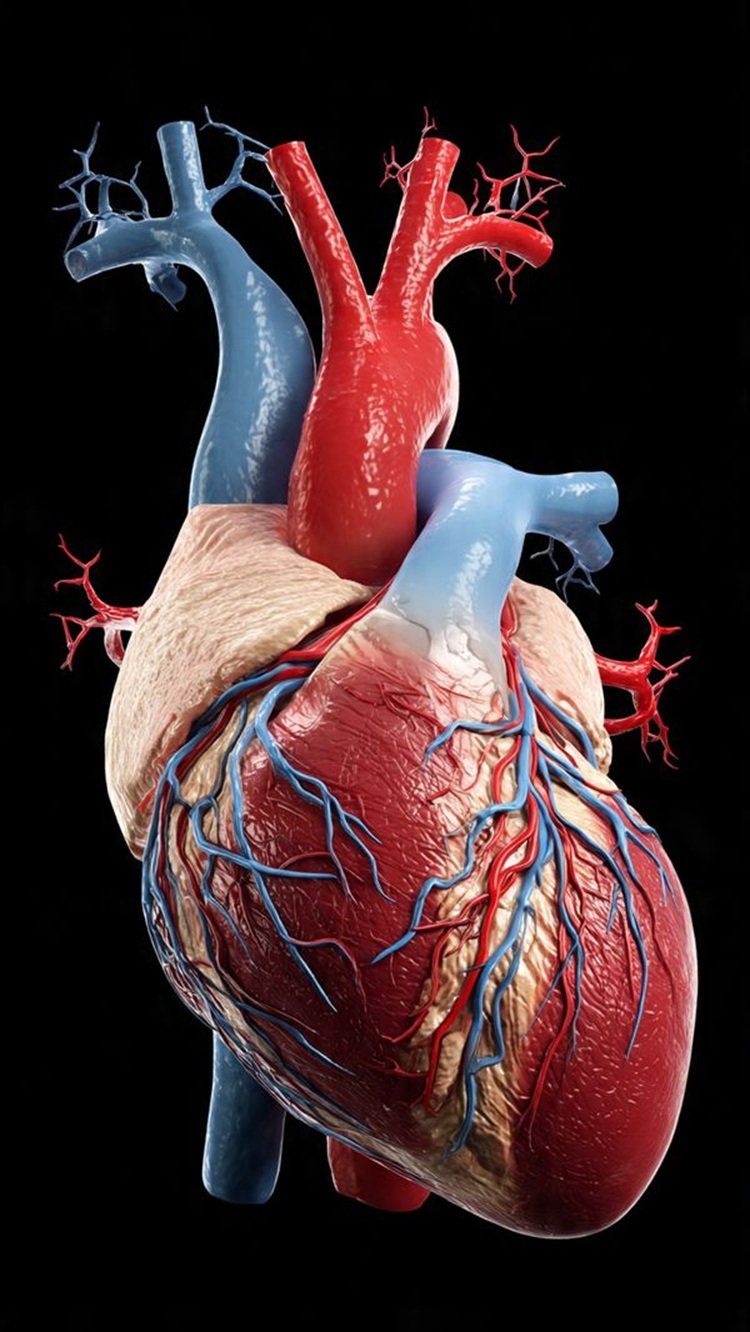
The heart is a muscular organ that is a little left to the mid position on the chest and covered by the rib cage. It is approximately the size of a clenched fist and just beats around 100,000 times each day pumping blood in the body unconsciously.
The heart is structurally partitioned into four chambers which are the two atria and the two ventricles. Blood flows back into the heart to the atria, and the pumping of blood is done by the ventricles. The blood coming back to the body enters the right side of the heart which valve directs it to the lungs where it is inflated with oxygen. The lungs supply the lungs with oxygen rich blood which is pumped to the rest of the body by the left side.
Heart valves prevent the blood to move in both directions through the heart. These valves open and close with pressure fluctuation thereby avoiding back flow and ensuring efficient circulation. The heart muscle is rhythmically contracting and relaxing, which is called the cardiac cycle, and stimulation of blood flow.
Heartbeat Control by a Electricity
An internal electrical conduction system is required by the heart to beat at a normal rate. The specialized cells produce electrical impulses that cause the muscle contractions to be coordinated. Each heartbeat starts with the sinoatrial node commonly referred to as the natural pacemaker.
Electrical impulses pass through atria and this makes them contract and force the blood into ventricles. The signal is transferred further to the atrioventricular node and into the ventricles causing a forceful contraction which forces the blood out of the heart.
This is an electrical mechanism which enables the heart to increase or decrease its rate depending on the demand in the body. When one is on a physical activity, the heart increases its rate to provide more oxygen. When one is resting, it becomes slow to save energy.
Blood: The Transport Medium
Blood is a special fluid connective tissue which is found in the body circulating in the vessels. It also undertakes various important roles such as transport, regulation, and protection. Plasma and formed elements constitute blood.
Plasma is the blood liquid and forms over half of the blood volume. It is primarily water, and also proteins, nutrients, hormones and waste products. The substance that is responsible of transporting substances in the body is plasma.
These formed elements are red blood cells, white blood cells and platelets. Red blood cells are filled with hemoglobin, which is a protein that connects oxygen and transfers it between the tissues and lungs. An immune defense is crucial in the body and involves the use of white blood cells which help in the defense against infection. Platelets are important in blood clotting where they stop excessive bleeding in case a blood vessel is broken.
Oxygen and Nourishment Circulation
Transportation of oxygen and nutrients to cells is one of the most significant functions of blood. Oxygen comes into the bloodstream in the lungs whereby it combines with hemoglobin in red blood cells. The circulation of blood releases oxygen to the body tissues, which is utilized in cellular respiration and energy generation.
Amino acids, fatty acids and glucose are also delivered to cells through blood having been absorbed in the digestive system. These are growth, repair, and metabolic nutrients. Devoid of effective circulation, cells would soon be short of life giving substances.
Waste Cleaning and Decontamination
The circulatory system also carries away waste products of cellular metabolism along with transporting essential substances. One of the most harmful waste products of the energy production is carbon dioxide, which is carried to the lungs to be removed by means of breathing out.
The rest of the waste products like urea and excess salts are transported to the kidneys to be filtered and excreted. The liver is also involved in the purification of toxic substances that are being transported by blood. This constant elimination of waste assists in keeping the inner environment constant.
Blood Vessels: The Circulatory Pathways
Blood vessels create a vast system of the routes, which carry blood over the whole body. Blood vessels can be categorized into three, namely arteries, veins and capillaries. There is a structure and a role of each kind.
High pressure blood moves away out of the heart through arteries. Their contractile walls are so thick and elastic, that they are able to withstand the pull of the heart contractions. Majority of the arteries are filled with oxygenated blood, with an exception of those that carry blood to the lungs.
The blood is pumped back to the heart through veins at low pressure. Their walls are thinner and they usually have valves that avoid the backwards flow of blood. Movement is assisted by contraction of the muscles that aid in moving blood within veins particularly in the limbs.
Capillaries are very small vessels (thin walls), which connect arteries and veins. Their walls consist of just a single cell of such that the passage of oxygen, nutrients, and waste products between blood and tissues is easily made possible.
Lung and Blood Circulation
Human circulatory system works on the basis of two major circuits, which are pulmonary circulation and systemic circulation. The blood moves between lungs and heart through pulmonary circulation. The blood lacking oxygen is pumped by the heart to the lungs where it expels carbon dioxide and takes in oxygen.
The rest of the body is supplied with oxygenated blood by the systemic circulation that carries it away out of the heart. Blood once it has provided oxygen and nutrients to the tissues circulates back to the heart to restart the process.
These two circuits operate in liaison with each other such that there is uninterrupted circulation of blood and blood exchange of gases.
Montage of Blood Flow and Pressure
The circulatory system regulates the flow of blood depending on the bodily requirements. Exercise also causes the flow of blood to the muscles and the skin to aid in movement and temperature regulation. Rest results in a redirection of the blood to internal organs which assist in digestion and recovery.
The maintenance of blood pressure is a process that takes place between the heart, the blood vessels, the kidneys, and the nervous system. It is important to make sure that blood pressure is up to date so that blood gets to all tissues without rupturing the vessels.
The Circulatory System and Health
The existence and prolonged health of a person depends on a healthy circulatory system. Such conditions as high blood pressure, atherosclerosis, and heart disease may disrupt the circulation and lead to severe complications.
Lifestyle is of great importance to the circulatory health. Exercise enhances the heart and blood circulation. Nutrition helps to maintain the healthy composition of blood and the integrity of vessels. Strain on the circulatory system is further decreased by avoiding smoking and stress control.
Knowledge of the functioning of the circulatory system promotes positive health decision-making and emphasizes the role of preventive medicine.
Communication with Other Body Systems
The circulatory system does not work independently. It functions in collaboration with the respiratory system to give and take gases, the digestive system to carry out nutrients and the renal system to maintain fluid balance.
The endocrine glands release the hormones, which are transported in blood to the target organs and enable the circulatory system to coordinate communication in the body. Circulation is also necessary to the immune system in order to get the white blood cells to the infection or injured areas.
This combination demonstrates why circulation is core in almost all the physiological processes.
Conclusion
The human circulation system is a marvelous machine which helps to maintain the life and keep everything in order by means of constant movement and a perfect management. It helps in body transport containing oxygen, nutrients, hormones, and waste products, and in the maintenance of internal balance nourishing all cells within the body. The heart, blood and blood vessels are a complex system that works in unison and has to adjust to the requirements of the body which is dynamic.
The knowledge of the human circulatory system reveals how it is a vital component of health, strength, and existence. The body flourishes when there is an effective circulation. With the help of the maintenance and protection of this system by means of the healthy lifestyle choice, people can contribute to the prolonged prosperity and sound health.