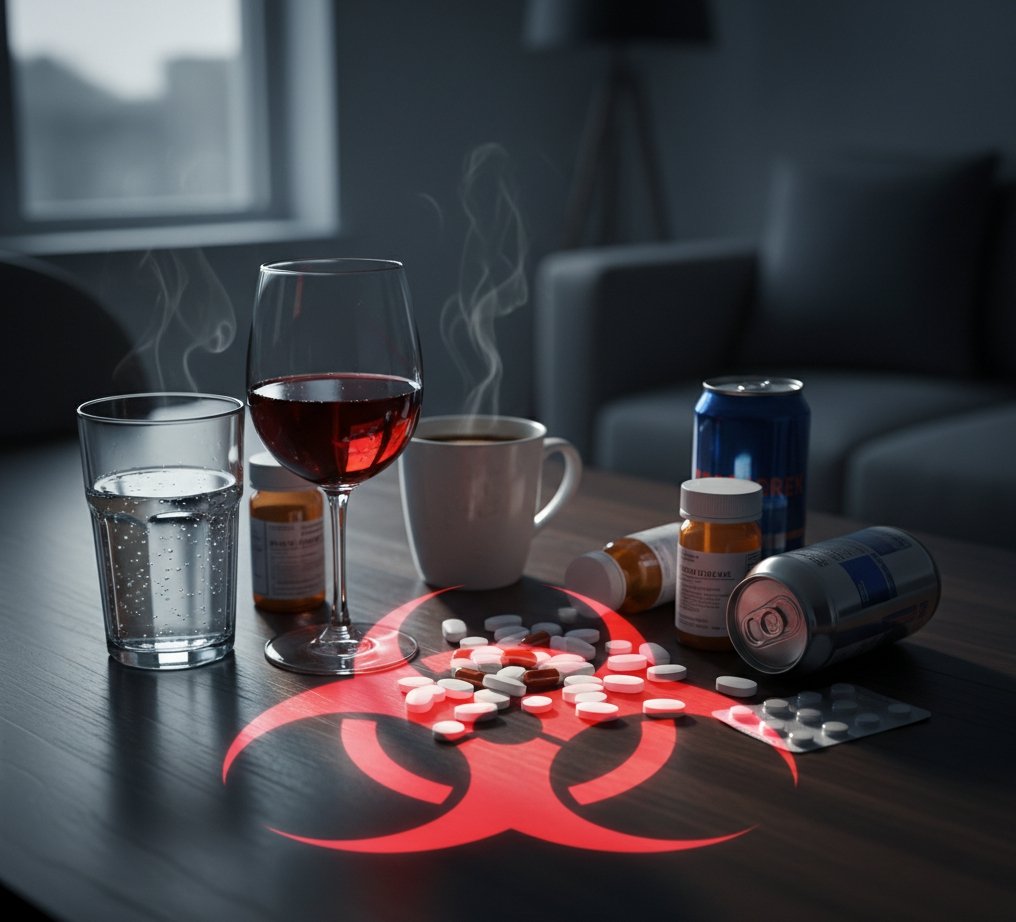
It starts simply. An aching head after a hard day at work, an aching muscle after a strenuous workout or a cough that just won’t clear. The answer appears simple; a visit to the medicine cabinet. You swallow two pills. Minutes after, you relax with wine or perhaps you pick up a cup of coffee to keep you awake or take another different pill. You do not even think twice about it.
What you may be unaware of though is that you have just participated in a risky chemical experiment, one that can result in life threatening outcomes. This is a kind of polypharmacy and its consequences are much more dangerous than many thought.
The risks of polypharmacy, which is the term used in medicine to describe using more than one drug at a time is life threatening, and it is not only the old people that the phenomenon is associated with, but also any other person who takes more than one substance either over-the-counter or prescribed.
This article shall discuss how generic substances, starting with caffeine, and to prescription drugs, can form hazardous drug interactions. With the knowledge of the science behind these combinations and the red flags, you can be proactive with the safety of painkillers and prevent a tragic, usually preventable, accidental overdose.
The Science of Interaction: How Your Body Processes Drugs
The first thing you need to know to comprehend the danger of mixing substances is to know how your body works with them. All the stuff you consume, the caffeine in your morning coffee to the active components of pain killers are all foreign chemicals. It is the role of your body to decompose those chemicals and get them out of the body. The liver is the primary labor force of this mechanism that breaks down drugs with special enzymes into excretables.
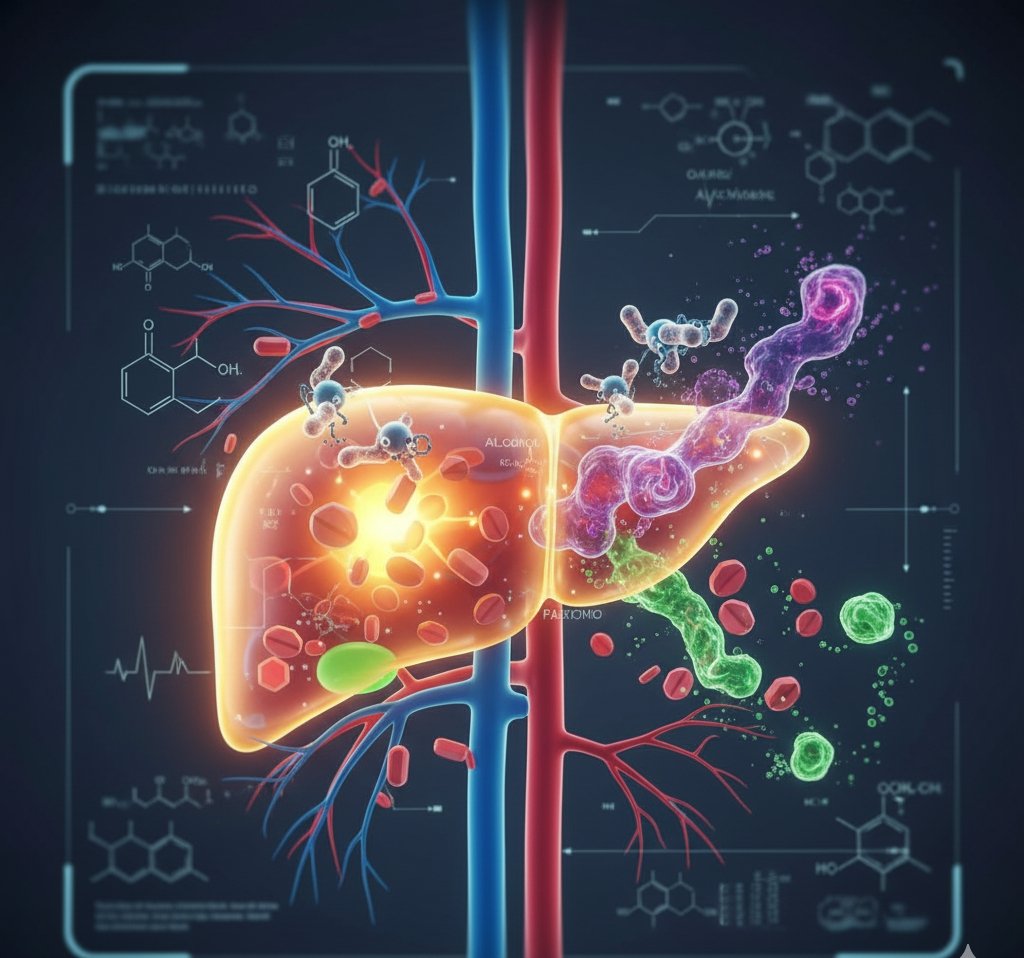
You can overload this highly sensitive system when introducing more than one substance to your system at a time. It is not necessarily an additive process. Rather, it may be a multiplicative type in which one material may retard or hasten the metabolism of another. Stepping forward as an example, alcohol may take over enzymes in the liver, which will result in painkillers circulating longer in the blood than they should, thus posing a risk of excessive accumulation.
Painkillers and Alcohol: A Deadly Cocktail
This is also, arguably, the most utilized and hazardous combination. There are considerable differences in the risk of a certain type of painkiller.
Acetaminophen (Paracetamol) and Alcohol
Hundreds of prescription and over-the-counter drugs contain acetaminophen. It is a highly useful analgesic and antifebrile, yet it is broken down by the liver into an irritating metabolite. Liver can safely eliminate this byproduct when it is in its recommended doses. Nevertheless, alcohol intake poses a big burden on the liver.
The detoxification capacity of the liver to break the acetaminophen byproduct is greatly impaired when alcohol and acetaminophen are used together and particularly when the consumption is heavy or chronic. This causes the toxic material to build up resulting in severe irrevocable liver damages or even acute liver failure. The effects do not come immediately and may accumulate in silence, causing a medical emergency that may not be noticeable till its too late.
Nonsteroidal Anti-inflammatory Drugs (NSAIDs) and Alcohol
Likely, NSAIDs like ibuprofen, naproxen, and aspirin act by suppressing inflammation. They are quite efficient with muscle pains, menstrual cramps and headaches. Nonetheless, NSAIDs and alcohol are all gastric irritants. Combined, they multiply the danger of stomach irritation, gastrointestinal bleeding, gastritis, and stomach ulcers significantly.
This combination can be disastrous to people already predisposed to stomach problems or to those who use NSAIDs regularly. Moreover, chronic kidney disease can also be caused by long-term use of NSAIDs and its use together with alcohol due to strain on the kidneys.
Opioids and Alcohol
It is probably the deadliest mix of them all. Opioids (prescribed, e.g., codeine, oxycodone, or hydrocodone) act on the central nervous system (CNS), thereby depressing it. They slow breathing down, slow heart rate and may lead to drowsiness and sedation. Alcohol is CNS depressant as well. Their effects are not merely additive, but synergistic when these two substances are combined.
This implies that an otherwise safe dose of an opioid may turn fatal when combined with alcohol. The effects are a severe slowing of the CNS resulting in dangerously slow or even the total halt of breathing (respiratory depression), the major cause of mortality in cases of opioid overdoses. The victim can go into a deep sedation or unconsciousness and never regain his or her consciousness.
The Stimulant Trap: Painkillers and Caffeine
Alcohol and opioid combination is not as likely to cause death right away, but painkillers combined with caffeine pose serious health threats. Caffeine is already found in many over-the-counter pain medicines since it has the potential to increase the efficacy of painkillers. Nonetheless, consuming more caffeine (coffee, energy drinks or supplements) may result in overstimulation.
This may be in the form of higher heart rate, palpitations, anxiety, jitteriness, and restlessness. This may be especially hazardous in the case of people with underlying heart conditions. In addition, chronic pain treatment with caffeine may result in what is referred to as medication overuse headache, where the medication used to alleviate pain could end up causing a cyclical headache problem.
Mixing Painkillers with Prescription Medications: The Unseen Risks
Polypharmacy risks do not just stop at recreational substances. The single most frequent and probably not well-known risk is a mixture of a painkiller and other prescription medication.
Opioids and Benzodiazepines
Prescribed for sleep disorders and anxiety are benzodiazepines, including alprazolam (Xanax) and diazepam (Valium). Opioids and benzodiazepines are both CNS depressants. A combination of them produces an ideal storm of a deadly overdose. They occur on the same neural pathways and their combined effect might be so deep that the breathing of the person may slow to a crawl or even come to a halt. That is why numerous drug warning labels and physicians warn against such a combination in clear terms.
NSAIDs and Blood Thinners
When it comes to individuals who are on blood thinners such as warfarin or clopidogrel, the combination of NSAID is incredibly risky. NSAIDs also produce the effect of thinning the blood. When combined, they all pose a huge risk of spontaneous life threatening internal bleeding especially of the gastrointestinal tract. It is an archetypal case of an accidental drug interaction that may lead to catastrophic results.
Pain relievers and Antidepressants
There are some painkillers, especially tramadol, which may interact in a dangerous way with some antidepressants, namely the SSRI type. Such an association may result in a life-threatening condition referred to as serotonin syndrome as a result of excess serotonin in the brain. The symptoms are agitation, confusion, rapid heart rate, and tremors. The other combinations may cause unpredictable side effects and both types of drugs influence the brain chemistry.
A Guide to Safe Pain Management
The best tool you have on preventing an accidental overdose is knowledge.
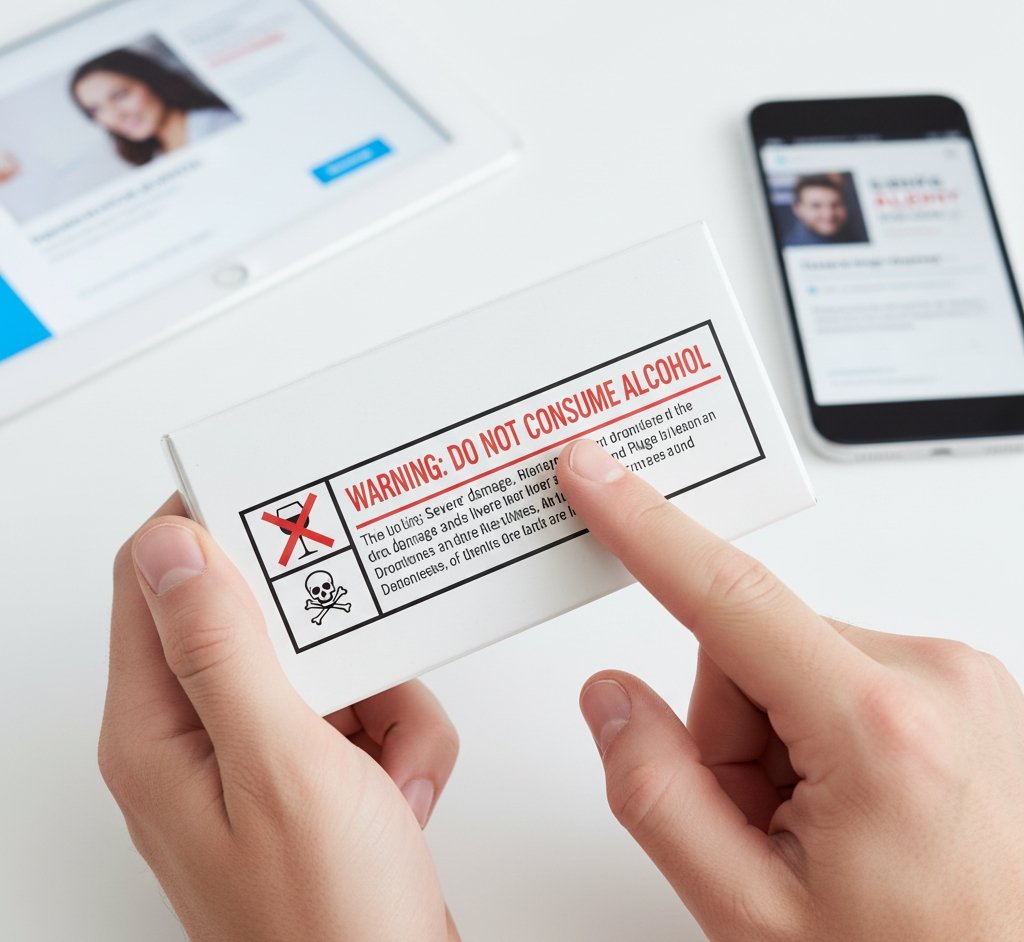
Read the Label
You should read the label of any medication prior to taking. Look at the warning signs on the interaction with alcohol or other drugs. Please, notice the active ingredients and dosages.
See Your Physician or Pharmacist
This is your safest bet. You should always consult a medical practitioner before beginning a new drug, or in case you want to take an over-the-counter painkiller when under a prescription. They are knowledgeable enough to determine how interactions can be evaluated, and offer you safe alternatives.
The Power of Knowledge
Know what is in your drugs. As an illustration, there are numerous cold and flu medicines which include acetaminophen. Not only are you liable to overdose unintentionally on a single drug, but when combined with alcohol, you might accidentally overdose on two drugs at the same time, one containing acetaminophen, and the other containing it.
When to Seek Immediate Help
It is important to identify an overdose. Symptoms such as nausea, vomiting, and abdominal pain are the most common ones and should not be ignored; in case you have them, call an ambulance without wasting any more time:
Some symptoms are:
- Shallow or slow breathing
- Hypocretic drowsiness or unconsciousness.
- Misunderstanding or loss of direction.
- Vomiting
- Unresponsiveness
- Cold, clammy skin
Dial your local emergency services as quickly as possible and report on the situation. Every second counts.
Conclusion
Pain management is a vital component of contemporary care, yet it is to be handled with care and respect. The risks of using painkillers in combination with alcohol, caffeine, or other drugs are not the hypothetical ones, but quite real and potentially fatal.
Through knowledge of these substances interaction in the body, careful label reading and open communication with medical workers, you will be able to save your life and your loved ones by avoiding the catastrophic effects of accidental overdose.
Conclusively, being a healthy consumer means being a knowledgeable and careful consumer. Always be informed, never be afraid to confirm a prescription, always read all labels and always consult a professional before combining drugs. Never gamble with your health.