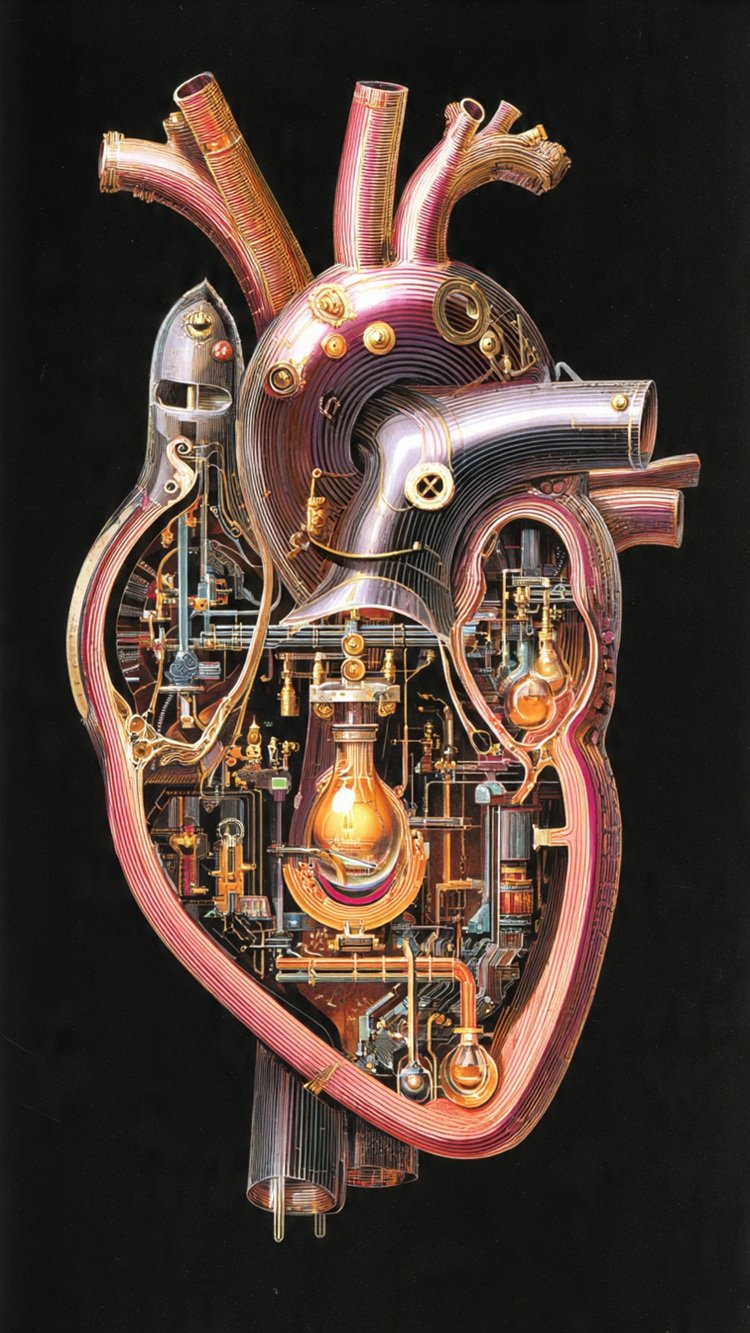
The heart is one of the greatest organs that a human being possesses working as long as one is alive even before one is born. The heart contracts and relaxes without stopping like other muscles because there is no time for rest as it supplies the body with oxygen-rich blood and other much needed nutrients to every cell. It is this unrelenting motion, which causes the heart to be the main organ of the circulatory system, keeping the life going by the circulatory of blood.
The heart, though the size of the tightly clenched fist, has a huge impact on the general health condition of a person. All of the thinking, all the movement, and all the biological processes rely upon its capacity to keep the blood flowing steadily. When the heart is working properly, the organs are supplied with the needed amount of oxygen and nutrition to perform optimally. The heart failure is experienced in the whole body once the functioning of the heart is damaged.
The article discusses the organization and the role of the heart and how the chambers, valves and coordinated contraction of the heart contribute in keeping the blood pressure and circulation in the body as one pumps. When the readers learn the functioning of the heart, they may also value its critical nature and the need to take care of the heart health.
The Heart as the Main Organ of the Circulatory System
The blood circulatory system is the one that processes the blood in the body and the heart is the motor of this system. The heart is like a potent pump where the blood is forced through an elaborate system of blood vessels, which makes sure that the blood pumps oxygen, nutrients, hormones and immune cells to where they are needed.
The blood would not circulate without the pumping action of the heart and cells would soon be starved of the necessities. The constant contractions of the heart produce the force required to pump blood effectively through the arteries, capillaries and veins. This pressure also assists in holding the flow of the blood against gravity especially in the lower limbs.
Pumping is not the only role played by the heart. It responds continuously to the needs of the body, picking up when one is physically active and decelerating when the body is resting. This flexibility enables the circulatory system to adapt positively to stress, exercise and rest.
Place and External Structure of the Heart
The heart is positioned in the thoracic cavity between the lungs and a little on the left of the midline and just behind the sternum. It is enclosed in a protective sac known as the pericardium, which assists in minimizing friction during the beat of the heart as well as anchoring it to the chest.
On the outside, the upper part of the heart is wide and is referred to as the base and the bottom end is sharp and is known as the apex. The top leans downwards and slightly to the left hence the heartbeats are mostly felt at the left side of the chest.
Great vessels are directly related to the surface of the heart. They consist of the aorta, the pulmonary arteries, the pulmonary veins and the venae cavae. They put the blood in and out of the heart in an effective way that promotes constant circulation.
Internal Anatomy: The Four Chambers of the heart
The heart has on the inside four chambers which together move the blood through two major circulatory pathways. Such chambers have two atria and two ventricles, which are divided by muscular walls that allow blood to mix inappropriately.
Deoxygenated blood comes back to the body via the superior and inferior vena cave to the right atria. The blood then goes to the right ventricle, which forces it to the lungs to be oxygenated. The lungs supply blood to the left atrium which is oxygenated and passed to the left ventricle. This oxygenated blood is then pumped by the left ventricle to the other parts of the body.
The muscular walls of the ventricles are thicker than the atria and more so on the left ventricle. This made the left ventricle thicker to enable it to produce the high pressure needed to pump blood throughout the whole body.
Heart Valve and Unidirectional blood flow
Effective circulation requires the capability of the heart to pump blood in one direction. This role is played by four valves of the heart, which open and close to the changes of pressure in the chambers.
The valves of the atria and ventricles are known as atrioventricular valves. The tricuspid valve is situated on the right side where the blood is pumped through the right atrium to the right ventricle. The mitral valve on the left side allows the blood to pass through the left atrium to the left ventricle. These valves make sure that the blood does not flow in reverse during contraction of the ventricles.
Blood leaving the heart is regulated with the aid of the semilunar valves. The pulmonary valve manages blood flow between the right ventricle and lungs and aortic manages that between the left ventricle and the body. These valves combined maintain a smooth unidirectional flow of blood in the heart.
The Cardiac Cycle: The Circular Process
The cardiac cycle is defined as the events that take place on the occurrence of a single heartbeat. It consists of two stages, systole and diastole. The contraction of the heart occurs during the systole process, pumping out the blood inside the chambers. In the diastole the heart relaxes and the chambers gets filled with the blood.
This process goes on in the body repeatedly until death comes and every beat of the heart is well synchronized to ensure good circulation. The opening and closing of the valves in time makes the blood flow effective and efficient without breaking.
The constant beat of the cardiac cycle enables the heart to keep the blood pressure at equal levels and provide the tissues with the uniform amount of oxygenated blood.
Heart Control through electricity
A system of internal electrical conduction controls the pumping by the heart and coordinates the contraction of the muscles. Special cells produce and send electrical impulses and activate every heartbeat.
The natural pacemaker of the heart is the sinoatrial node that is found in the right atrium. It triggers electrical impulses, which diffuse throughout the atria, and make them contract. These impulses are then conducted to the atria ventricular node and conducted along special channels to the ventricles, and will cause a powerful and co-ordinated involuntary contraction.
This is an electrical system that enables the heart to regulate itself. The faster rate of heartbeat is evident during exercise or stress because of the increased oxygen requirements. When one is resting the heart rate reduces and this saves energy.
Blood Circulation and Heart Stroke
The direct effect of pumping by the heart is the blood pressure. Both contractions of the ventricles create pressure which propels blood through the arteries. This pressure is necessary in making sure that blood flows even to the miniature capillaries.
To ensure the blood pressure is consistent, the heart will keep on varying its output. The amount of physical activity and hydration and emotional stress are factors that determine the intensity and the frequency with which the heart contracts.
Healthy blood pressure is very important in ensuring that blood vessels and organs are not compromised. The cardiovascular health in the long-term is highly dependent on the ability of the heart to manage circulation.
Relationship of the Heart with the Lungs
The lungs and the heart are closely coordinated to aid in oxygen supply. The deoxygenated blood is discharged through the heart to the lungs where it releases carbon dioxide and takes in oxygen. This blood containing oxygenated blood is then pumped back to the heart and to other body parts.
This collaboration guarantees that cells get the oxygen required in the generation of energy. This process may be jeopardized by any disturbance in the operation of the heart or lungs, influencing the general health and physical activity.
Fitness to Physical Exercise
The capacity of the heart to adjust to the changing demands is one of the most amazing characteristics of the heart. Muscles use more oxygen and nutrients during a physical activity. To counter this the heart speeds up its rate and strength of contraction pumping more blood into active tissues.
The heart resumes its resting posture slowly after the activity is over. This flexibility enables the circulatory system to both supply and maintain vigor as well as rest effectively.
Examples of exercises that strengthen the heart muscle include regular exercise, which enables the heart to pump blood and keep the circulation going in the long run.
The Heart and Lifelong Health
The persistence of work of the heart preconditions its necessity to the overall health and lifespan. Unhealthy lifestyle habits that may result in stress, high fat diets, excessive smoking, and lack of activity may overlie the heart and decrease its efficiency.
Heart health maintenance helps the body to circulate, carry oxygen and maintain the functioning of bodily organs. Knowledge on the working of the heart is a motivation of making healthy decisions that enable the heart to maintain its strength and endurance in life.
Conclusion
The heart is an unprecedented organ that does not take a rest, it works hard to keep the life flowing. Being the most important part of the circulatory system, it regulates blood pressure, transfers oxygen and nutrients, and helps all the processes of the human body. The heart provides continuous circulation of blood since birth to old age by means of its chambers, valves and synchronous electrical activity.
Knowing the structure and functionality of the heart, readers get to appreciate more the role of the heart in health and survival. The health of the heart is of utmost importance in ensuring one is vital, resilient, and generally well in life.