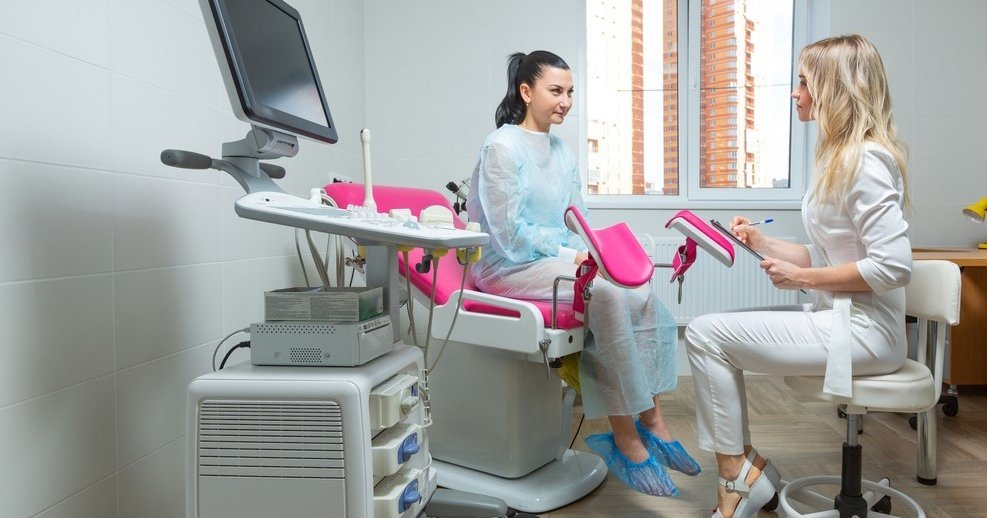
Women’s health services are crucial in maintaining overall well-being and addressing issues specific to female health. With continuous advancements and emerging challenges, gynecological services are constantly evolving. This not only increases accessibility but also elevates the standard of care women can expect, allowing them to take several proactive steps toward maintaining their health.
Accessibility to gynecological services plays a significant role in enabling women to manage their health effectively. Information on options like female urology treatment | Golden State Urology—Sacramento equips women with the necessary tools to make informed decisions about their healthcare journeys. As these services become more readily available, women gain greater empowerment, knowing they have the essential resources. In this article, we’ll delve deeper into how these developments, alongside numerous challenges, dictate the future landscape of women’s health services.
Key Takeaways:
- Women’s health services are continually evolving, offering new treatments and technologies.
- Accessibility and education remain vital for empowering women’s health choices.
- Continuous advancements in gynecology are shaping the future of healthcare for women.
Table of Contents:
- Introduction to Women’s Health Services
- Current Advancements in Gynecology
- Challenges Faced in Women’s Health
- The Role of Technology in Women’s Health Services
- How Education Empowers Women’s Health Choices
- Key Emerging Trends in Women’s Health
- The Future of Gynecological Services
- Conclusion
Introduction to Women’s Health Services
The landscape of women’s health services has seen significant transformations over recent decades. Today, women have access to an expanded range of healthcare facilities equipped to meet their unique physiological needs. This scope of healthcare encompasses preventive measures, diagnostics, and treatments for conditions ranging from minor to complex. Crucial to this evolution is the understanding that women’s health is all-encompassing, integrating mental, emotional, and physical care into a coherent and compassionate healthcare approach. Many healthcare facilities ensure comprehensive care, such as providing a variety of female urology treatment | Golden State Urology – Sacramento.
Current Advancements in Gynecology
In recent years, remarkable progress has been made in gynecological services. Innovations in minimally invasive surgeries have reduced recovery times and improved patient outcomes, making procedures less daunting. Breakthroughs in diagnostic tools, such as enhanced imaging techniques, mean more accurate and timely detection of issues. Personalized treatment plans are also on the rise, allowing for care uniquely tailored to an individual’s needs. Organizations like the World Health Organization report improved maternal health outcomes, signaling a positive shift in healthcare services, ultimately leading to healthier generations.
Challenges Faced in Women’s Health
Despite these promising advancements, significant challenges persist within women’s healthcare. One major obstacle is the disparity in care, as women across different regions and economic brackets continue to experience unequal access to healthcare services. This inequality is further exacerbated by cultural attitudes that may undervalue women’s health concerns, resulting in delays in seeking or receiving appropriate healthcare. Addressing these challenges necessitates systemic changes in policy to bridge gaps and ensure a standardized level of care that is both equitable and accessible to all women. Investing in robust healthcare policies and bridging the awareness gap can drastically improve the current scenario.
The Role of Technology in Women’s Health Services
Technology catalyzes innovation in women’s health services, transforming care delivery. Telemedicine has emerged as a crucial tool, connecting patients with healthcare providers remotely, thus ensuring continuity of care despite geographical barriers. Wearable health devices that monitor vital signs or reproductive health offer unprecedented insight into day-to-day health management. AI-driven diagnostic systems can accurately predict health issues, enhancing early intervention and treatment. As detailed by HealthIT.gov, such advancements are instrumental in making healthcare more accessible and personalized, reflecting the overall progression toward a future where technology bridges the gap between healthcare providers and patients.
How Education Empowers Women’s Health Choices
Education empowers women by providing the knowledge needed to make well-informed health decisions. A woman equipped with knowledge about reproductive health, preventive care, and available healthcare options is better positioned to advocate for her well-being. Educational initiatives targeting young girls and women are crucial. They promote awareness of lifestyle choices, reproductive health, and contraception, ensuring that decisions made are informed and reflect their needs. This empowerment enhances individual health outcomes and leads to more informed community health dynamics.
Key Emerging Trends in Women’s Health
Several trends are now emerging in women’s health that merit attention. The rise of personalized medicine ensures that treatment plans are specifically tailored, recognizing each woman’s unique genetic makeup and lifestyle. Holistic health approaches, integrating mental and physical health care, are gaining traction as the focus shifts towards comprehensive wellness. Additionally, there is an increasing move towards integrating traditional and alternative medicine practices, giving women more options and autonomy over their health journeys. These trends reflect an ongoing commitment to providing women with flexible and all-encompassing healthcare solutions.
The Future of Gynecological Services
As we look toward the future, several predictions and possibilities arise for the continued evolution of gynecological services. Foreseeably, treatment methods will evolve alongside technological and medical advancements, facilitating more efficient, less invasive, and versatile care options. Policy reforms addressing healthcare disparities will reshape the landscape, striving toward equitable care and prioritizing accessibility and quality. Pursuing better healthcare outcomes, continuous innovation, and proactive policymaking are pivotal to addressing the unique health needs of women, thus fostering a healthier society.
Conclusion
Advancements in women’s health services continually improve the quality of care and access to necessary treatments. By addressing challenges alongside leveraging technology and education, the future of women’s health holds much promise. Empowering women through informed choices and improved healthcare services remains a priority. As society progresses, it is imperative to ensure that the strides made in women’s health care are inclusive, accessible, and forward-thinking. The commitment to evolving healthcare approaches reflects a commendable step towards understanding and meeting the comprehensive needs of women.



I like this website very much so much superb information.
Deference to post author, some good information .
he blog was how do i say it… relevant, finally something that helped me. Thanks
Heya i’m for the first time here. I came across this board and I find It truly useful & it helped me out much. I hope to give something back and help others like you aided me.
This post is genuinely a nice one it assists new the web viewers,
who are wishing in favor of blogging.