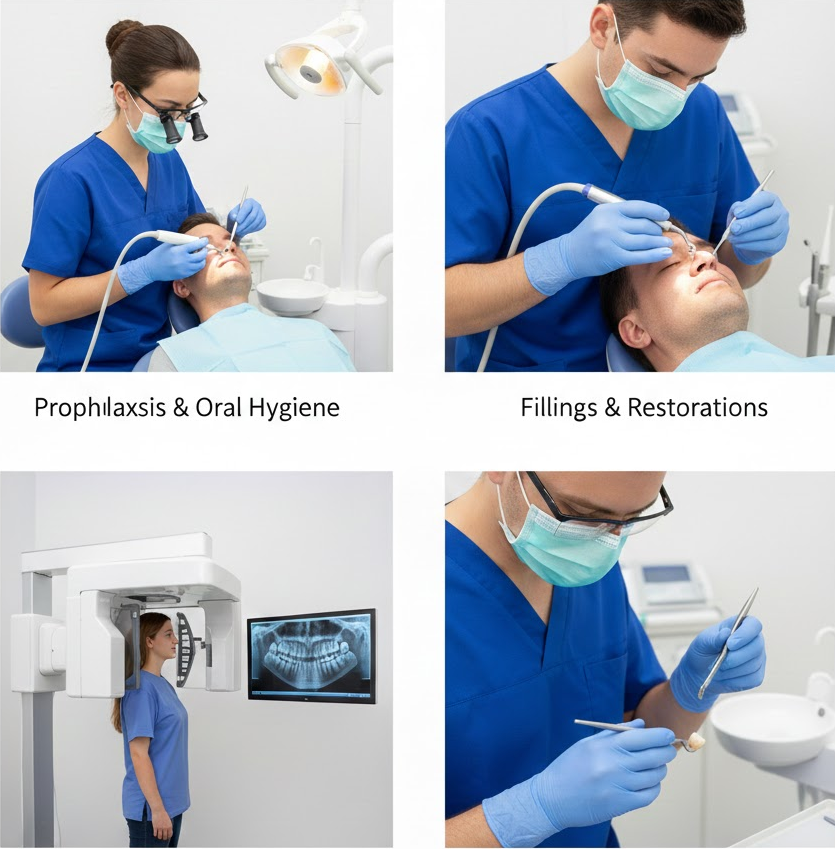
Your smile can shape how you move through each day. When teeth are missing, worn, or stained, you may hide your mouth, avoid photos, or stay quiet in conversations. Modern implant and cosmetic dentistry changes that story. Today, you can replace a single tooth, rebuild a full smile, or even correct long-term damage with careful planning and steady hands. New imaging, stronger materials, and more exact placement give results that look natural and feel secure. At a trusted dental implant center at Walnut Creek, you see this progress in real time. You gain options that used to belong only to complex surgery. Now you can choose treatments that match your life, your budget, and your health needs. This blog explains how these methods work, what to expect during care, and how you can protect your new smile for many years.
What Makes Modern Implants Different
Dental implants today are more steady than past options. You gain a small post in the jaw that acts like a tooth root. A crown, bridge, or denture then locks on top.
New tools guide where that post goes. Cone beam scans show bone height and width in three dimensions. Computer planning helps your dentist pick the best spot. You spend less time in the chair. You also face fewer surprises during healing.
The National Institute of Dental and Craniofacial Research explains that implants can last many years when you brush, floss, and attend routine checks. You gain a long-term base for future care.
Cosmetic Dentistry That Works With Implants
A true smile makeover looks at every tooth. Implants are only one piece. You may need three types of care.
- Whitening to lift stains
- Bonding or veneers to change shape or close gaps
- Crowns or bridges to repair cracks or large fillings
Your dentist studies your bite, lip line, and gum shape. Then you agree on a clear plan. First, you fix urgent problems like deep decay or active gum disease. Next, you place implants or crowns. Last, you finish with whitening or minor shape changes so colors and edges match.
Comparing Common Tooth Replacement Choices
You may face more than one path. This simple table shows how three choices compare. Your own needs may differ.
| Feature | Single Implant | Fixed Bridge | Removable Denture |
|---|---|---|---|
| Stability during eating | High | High | Low to medium |
| Effect on nearby teeth | No grinding of neighbors | Requires grinding of neighbors | No change to neighbors |
| Helps protect jaw bone | Yes | No | No |
| Daily cleaning | Brush and floss like a tooth | Brush and thread under bridge | Remove and clean outside the mouth |
| Typical comfort | Feels close to a tooth | Feels fixed but less natural | May move or rub |
| Can repair or adjust | Crown can be changed | Often needs full remake | Relines and repairs are common |
New Trends Shaping Smile Makeovers
Three changes stand out in current care.
- Guided surgery. Your dentist uses a custom guide from your scan. The implant goes in the planned spot. You gain more comfort and shorter visits.
- Immediate teeth. In some cases, you leave with a fixed temporary tooth on the same day. You still need healing time. Yet you avoid long gaps.
- Digital design. Photos and scans feed design software. You can see a mock-up of your future smile and request small changes before treatment starts.
These steps protect your time. They also reduce guesswork. You see clear goals and stages.
Preparing Your Mouth For Implants And Cosmetic Work
Your mouth needs a clean base. You start with three checks.
- Gums. The dentist checks for bleeding, swelling, or loose teeth. If gum disease is present, you treat it before implants or veneers.
- Bone. Scans show if you have enough bone. If bone is thin, you may need grafting or smaller posts.
Habits. Smoking, teeth grinding, and poor brushing raise the risk of failure. You may need a night guard or support to quit smoking.
The Centers for Disease Control and Prevention notes that untreated gum disease can cause tooth loss and bone loss. You protect your future implants when you treat gums early.
What To Expect During Treatment
Every case is unique. Still, most smile makeovers follow three phases.
- Planning visit. You share what you want to change. Photos, X-rays, and scans are taken. A step-by-step plan is agreed upon.
- Active treatment. This stage can include tooth removal, implant placement, crowns, bonding, and whitening. You may wear short-term teeth while the jaw heals.
- Fine tuning. The dentist adjusts bite, shape, and color. Small changes here can improve comfort when you chew and speak.
You may feel mild soreness after visits. Clear home care steps and any needed medicine help you stay in control. You contact the office if pain rises or you see swelling.
Keeping Your New Smile Strong
A smile makeover is not the end. It is the start of new habits. You protect your teeth and implants with three daily steps.
- Brush twice a day with fluoride toothpaste
- Clean between teeth and under bridges or around implants each day
- Use a mouth rinse if your dentist suggests one
Regular checkups every six months allow early repair of small chips or loose parts. If you grind your teeth, a night guard protects your new work.
Your smile affects how you eat, speak, and connect with others. Modern implant and cosmetic dentistry give you real choices. You can move from hiding your mouth to showing your teeth with calm confidence. The first step is a clear talk with a dentist who listens and explains each option in plain words.