Key Takeaways
- HR’s role has expanded beyond administration to influencing core business strategy.
- Technological integration allows HR to be more data-driven and agile.
- Employee engagement, diversity, and well-being are now central to HR’s mission.
- HR leads the way in managing change and maintaining organizational health.
Over the past decade, Human Resources (HR) has undergone a profound evolution, shifting from an administrative and compliance-focused role to a multifaceted strategic partner at the core of organizational advancement. Educational institutions like Arkansas State University are now offering programs such as online MBA in HR to help professionals keep pace with the new demands of the field. This transformation aligns with shifting workplace expectations, the rise of digital tools, and a growing appreciation for diverse and engaged teams.
Today, HR’s focus extends beyond traditional staff management to cultivating leadership, guiding company culture, and orchestrating complex change management initiatives. From leveraging data to drive business decisions to prioritizing employee happiness and well-being, HR continues to play an integral role in an organization’s long-term resilience and innovation capacity.
As companies face increasing competition and rapid technological shifts, the expansion of HR’s duties is helping shape not only internal policies but also the broader trajectory of organizational strategy and growth. This comprehensive shift makes HR a true strategic partner—one essential for lasting organizational success.
To keep up with these changes, HR professionals are expected to develop skills in analytics, digital literacy, and transformational leadership. The demands of the modern workplace highlight the importance of agility and a proactive approach, positioning HR as a linchpin in helping businesses adapt and evolve.
HR as a Strategic Business Partner
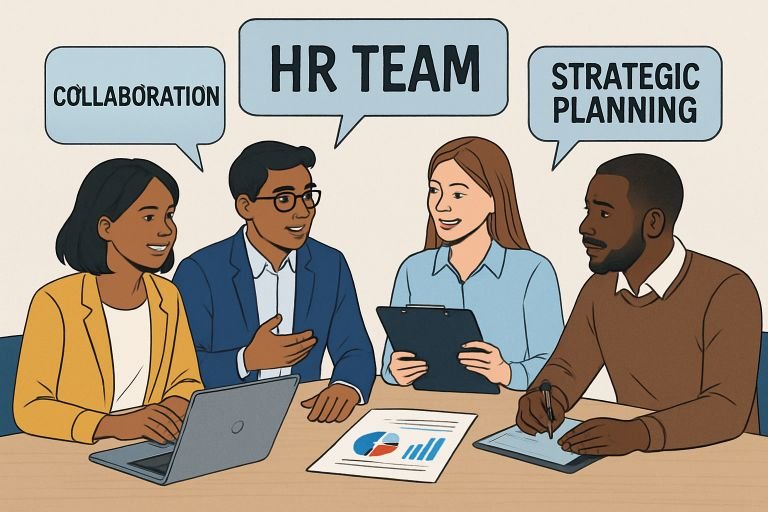
HR’s influence has expanded to include shaping policies and decisions that directly impact business performance and profitability. By closely collaborating with executives and department heads, HR ensures the right people are in the right roles, supports succession planning, and develops leadership pipelines. This focus on alignment between people and business goals allows organizations to anticipate talent needs and proactively address workforce challenges. According to Harvard Business Review, organizations that embed HR deeply into strategy setting report higher innovation and financial outcomes.
HR and Organizational Agility
The rapid pace of change in today’s markets means businesses must be agile. HR is at the forefront of this movement, helping organizations build adaptable cultures and equip teams with the skills needed to thrive despite ongoing disruption.
Integration of Technology in HR Practices
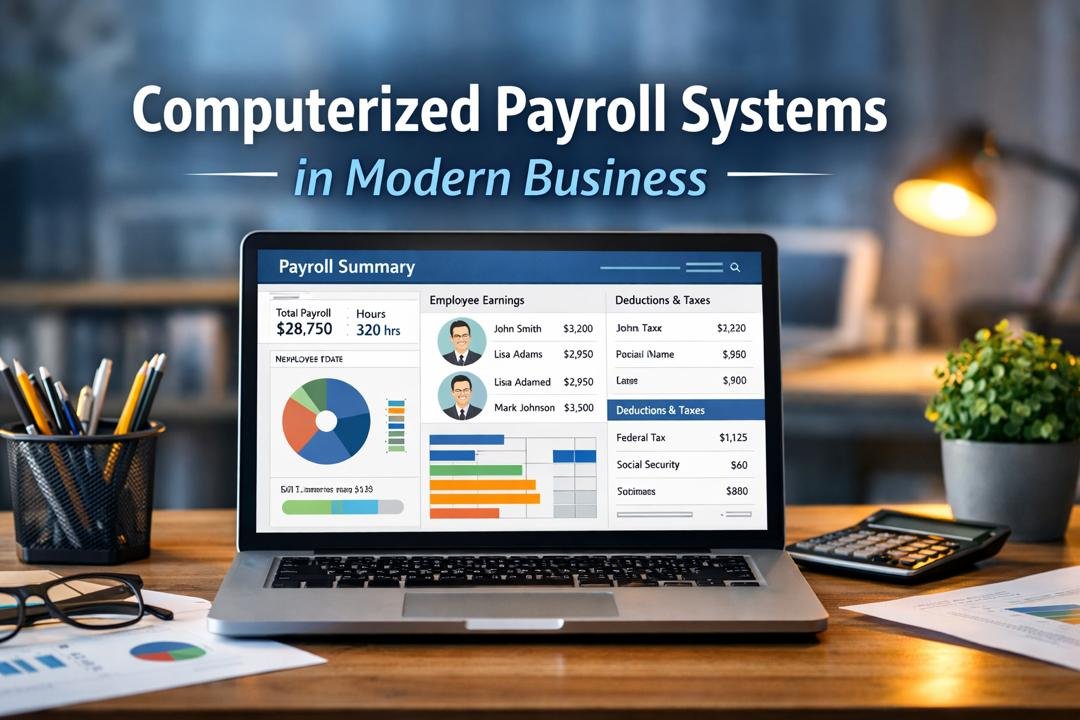
Technology has revolutionized HR operations across the employee lifecycle. Human Resources Information Systems (HRIS), automated background checks, and digital onboarding platforms save time and resources. Data analytics tools enable HR leaders to track workforce trends, measure employee engagement, and predict turnover, facilitating fact-based decision-making. Furthermore, the rise of artificial intelligence (AI) in recruiting, such as resume screening and chatbot-based candidate engagement, has enhanced efficiency and reduced potential bias—though ethical guidelines must govern AI usage.
Data for Strategic Decision-Making
Leveraging analytics enables HR to directly link workforce planning to business outcomes, providing a robust basis for recommendations to leadership. Using people analytics, HR departments can demonstrate their impact through metrics such as retention, diversity, and productivity.
Prioritizing Employee Well-being and Engagement
A holistic approach to employee well-being is central to the HR function. Modern HR teams champion initiatives such as flexible work arrangements, mental health resources, and proactive diversity, equity, and inclusion (DEI) programs. These efforts are not only ethically important but also have clear business benefits—higher satisfaction and engagement translate to lower turnover and better performance.
Building a Healthy Work Culture
Prioritizing well-being and inclusivity fosters a culture where individuals feel valued and motivated to contribute their best. HR’s investment in continuous feedback systems, recognition programs, and development opportunities creates a positive work environment that underpins organizational success. Recent research cited by SHRM has connected these practices to increased innovation and business resilience.
HR’s Role in Change Management
Change is now a constant in the business world, whether it’s mergers and acquisitions, restructuring, or adapting to new technologies. HR ensures these transitions are managed with empathy and structure. Through transparent communication, robust training initiatives, and employee support programs, HR minimizes resistance, maintains morale, and increases the success of transformation efforts.
Guiding Successful Transformations
Effective change management by HR includes preparing leaders, establishing clear channels for feedback, and building a culture of continuous learning. This guidance is instrumental in helping people adapt and thrive in the face of uncertainty.
Conclusion
The evolution of HR from an administrative function to a strategic driver is reshaping how organizations approach growth and sustainability. By integrating technology, championing employee well-being, and guiding transformation, HR is uniquely positioned to help businesses navigate challenges and seize new opportunities in an increasingly complex world. Organizations that invest in building strong, forward-thinking HR capabilities are poised to lead in innovation, employee engagement, and long-term success.