Clarifying Care Levels, Amenities, and Lifestyle Differences
When families begin exploring long-term care options, two choices often come up—assisted living facilities and nursing homes. While they may seem similar at first glance, the level of care, lifestyle, and services they provide are quite different. Understanding these distinctions can help you make a confident, informed decision for yourself or a loved one. If you’re researching Assisted Living Idaho Falls options, knowing what separates these two types of communities is especially important.
Care Levels: Support vs. Skilled Medical Care
The most significant difference between assisted living facilities and nursing homes is the level of medical care provided.
Assisted Living Facilities
Assisted living is designed for older adults who need help with daily routines but do not require constant medical attention. This includes support with activities such as:
- Bathing
- Dressing
- Medication reminders
- Meal preparation
- Mobility assistance
Caregivers are available 24/7, but the focus is on support—not intensive medical monitoring. Residents still maintain independence while receiving the help they need to stay safe and comfortable.
Nursing Homes
Nursing homes offer the highest level of medical care outside of a hospital. Residents typically have chronic health conditions, disabilities, or recovery needs that require:
- Skilled nursing care
- Daily medical treatments
- Specialized rehabilitation therapies
- Regular monitoring by nurses and physicians
These facilities are staffed by licensed nurses around the clock, making them ideal for individuals whose medical needs exceed what an assisted living setting can provide.
Amenities: Comfort vs. Clinical Support
Amenities also differ greatly between assisted living facilities and nursing homes, reflecting their contrasting care goals.
Assisted Living Facilities
Assisted living communities focus on comfort, hospitality, and choice. Common amenities include:
- Private or semi-private apartments
- Restaurant-style dining
- Social and recreational activities
- Housekeeping and laundry services
- Transportation to appointments and events
The goal is to provide a homelike experience where residents can maintain a sense of independence and freedom while still having support available when needed.
Nursing Homes
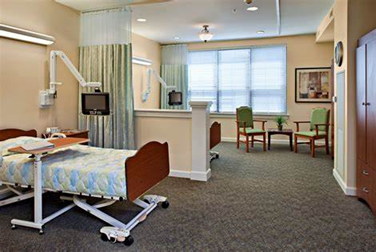
Nursing homes are more clinically focused, so amenities are built around rehabilitation and medical management. residents can expect:
- Shared or private rooms
- On-site medical equipment
- Therapy gyms for physical, occupational, or speech therapy
- Nutritional support tailored to medical conditions
- Limited social programming
While many nursing homes do provide activities and events, the structure tends to be more medically oriented due to residents’ health needs.
Lifestyle Differences: Independence vs. Medical Supervision
Because assisted living facilities offer more flexibility and autonomy, the lifestyle feels more engaging and community-oriented.
Assisted Living Lifestyle
Residents are encouraged to stay active with planned events, outings, and social gatherings. There’s a strong emphasis on:
- Community
- Engagement
- Freedom of schedule
Friends and family are welcome to visit, and many communities offer amenities like beauty salons, outdoor spaces, hobby rooms, and fitness classes.
Nursing Home Lifestyle
Nursing home residents often follow more structured routines due to ongoing medical care. Activities are available, but mobility limitations or health conditions may affect participation. The environment is typically quieter and more clinical, prioritizing health and recovery.
Cost and Insurance Considerations
Costs vary widely depending on the level of care. Assisted living is often more affordable than nursing homes because it does not include constant medical treatment. Nursing home care is typically more expensive due to skilled nursing staff and medical services.
It’s also helpful to know that Medicare health insurance generally does not cover long-term stays in assisted living facilities, while it may cover certain short-term stays in nursing homes under specific conditions.
Choosing the Right Option
When deciding between assisted living and nursing home care, consider:
- Current medical needs
- Level of independence
- Personal preferences
- Lifestyle goals
- Budget
If your loved one simply needs support with day-to-day activities while still enjoying an active lifestyle, an assisted living community may be the perfect fit. For those who need continuous medical supervision, a nursing home is often the safer choice.
Understanding the differences between these two care options helps families make confident and compassionate decisions. Whether you’re exploring Assisted Living Idaho Falls communities or looking into long-term nursing care, knowing what each offers ensures your loved one receives the right level of support.