Table of Contents
- Introduction
- Understanding Medication Errors
- Prevalence and Impact
- Common Causes of Medication Errors
- Consequences of Medication Errors
- Preventive Measures
- Conclusion
Introduction
Medication errors in hospitals remain a persistent threat to patient safety, impacting countless individuals and contributing to increased healthcare costs each year. Ensuring patient safety means understanding not only the root causes of these errors, but also the best ways to prevent them in a busy, demanding clinical environment. For anyone affected by a medication error or concerned about the quality of care they or their loved ones receive, seeking the guidance of a Decatur medical malpractice attorney can be an essential step.
The urgency to address medication errors cannot be overstated. A single mistake in prescribing, dispensing, or administering medication has the potential to cause significant harm or, in some cases, prove fatal. As the field of medicine evolves and patient loads continue to rise, the risk factors for such errors become increasingly complex, demanding comprehensive, multifaceted solutions.
Understanding Medication Errors
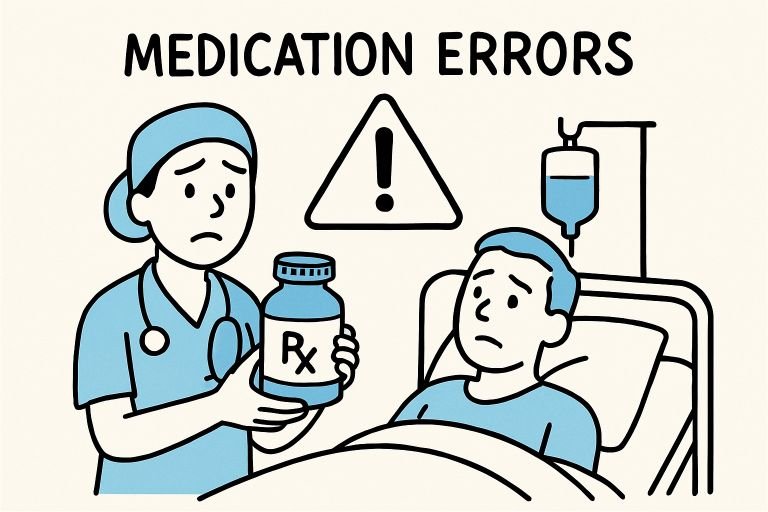
Medication errors occur when there is any mistake in the process of prescribing, dispensing, or administering drugs to patients. These errors may arise from a lack of knowledge about a specific drug, unfamiliarity with a patient’s history, incorrect dosage calculations, or improper communication between healthcare professionals. Staff fatigue and overwhelming workloads often compound these issues, making attention to detail even more challenging.
Complicating the landscape further, hospital environments frequently involve coordinated care among multiple providers, each responsible for different aspects of treatment. Without clear, consistent communication and stringent protocols, the door is left open for medications to be given in error or omitted entirely, sometimes with catastrophic results.
Prevalence and Impact
Medication errors are far more common than many would expect. According to research published in The BMJ, medical errors, including medication-related mistakes, are the third leading cause of death in the United States, accounting for over 250,000 deaths each year. These alarming numbers highlight the urgent need for healthcare systems to prioritize robust safety measures and ongoing staff education.
The consequences of such errors are not limited to loss of life. Patients may experience severe adverse reactions, unnecessarily prolonged hospital stays, and reduced overall quality of care. Families suffer emotional distress, and healthcare institutions face reputational damage, legal claims, and spiraling financial costs.
Common Causes of Medication Errors
- Inadequate Training: Healthcare professionals lacking comprehensive education about medications and their administration are more likely to make critical errors.
- Fatigue: Extended shifts and minimal breaks leave staff physically and mentally exhausted, making them more susceptible to mistakes.
- Communication Failures: Insufficient handover processes and information silos often lead to confusion regarding dosages, timing, or even the correct patient.
- Systemic Issues: Overburdened healthcare settings, chronic understaffing, and high patient-to-provider ratios significantly increase the risk of mistakes.
Consequences of Medication Errors
The fallout from medication errors can be severe for both patients and healthcare providers. Beyond the immediate risk of injury or death, patients may endure complications that lead to more extended recovery periods or persistent health problems. Additional consequences for healthcare professionals include legal ramifications, loss of licensure, and considerable emotional distress.
Hospitals and clinics also face increased scrutiny, higher malpractice insurance premiums, and potential regulatory penalties. These ramifications make reducing and preventing medication errors a top priority for healthcare leaders and policymakers across the country. For more information about the prevalence and management of adverse drug events, the U.S. Food & Drug Administration provides valuable consumer insights.
Preventive Measures
Hospitals and other care settings can significantly reduce medication errors by implementing a range of preventive strategies. Enhanced training initiatives ensure that all staff members remain informed about new drugs and best practices for administration. Many facilities have also adopted technology-based solutions such as electronic prescribing systems, which can flag potential drug interactions and alert providers to dosage errors.
- Enhanced Training: Ongoing education is vital for all healthcare staff to keep pace with advances in medicine and changes to hospital protocols.
- Technology Integration: Electronic health records and computerized physician order entry systems drastically reduce the margin for human error.
- Improved Communication: Standardized handoff tools and checklists support clear communication among care teams.
- Systemic Reforms: Improving work schedules and addressing staff shortages can help reduce errors linked to overwork and stress.
Role of Healthcare Professionals
Nurses and pharmacists are the last line of defense against harmful medication errors. Their responsibilities include double-checking medication orders, verifying patient identities, and documenting all relevant information before administering drugs. Their vigilance and dedication make an immense difference in the overall safety and efficacy of the medication administration process.
Additionally, fostering a culture that encourages reporting and learning from near-misses without fear of punitive action helps create an environment where safety is always prioritized. This approach allows hospitals to identify systemic weaknesses before they cause harm to patients.
Conclusion
In any hospital setting, various types of medication errors present a real and pressing danger to those seeking care. Proactive measures, ranging from regular training and better communication to leveraging technology and implementing systemic reforms, are all essential components in reducing these hazards. By cultivating an environment of accountability, education, and teamwork, healthcare institutions can make meaningful strides toward safer patient care and improved outcomes.