Table of Contents
- Evolving Role of Educational Diagnosticians
- Technological Advancements in Assessment
- Personalized Learning and Individualized Interventions
- Emphasis on Cultural Competence and Equity
- Expanding Role in Early Intervention
- Future Trends and Emerging Roles
- Conclusion
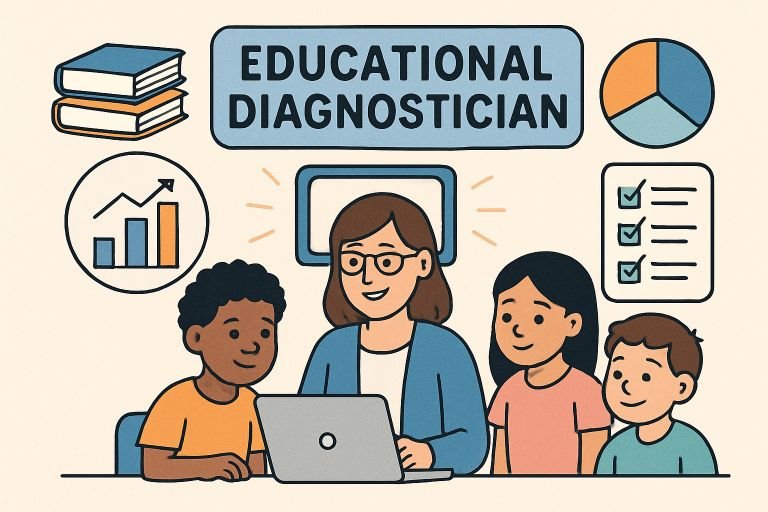
Educational diagnosticians play a pivotal role in modern education by identifying and supporting students with learning challenges. As schools face an increasing range of needs and populations, the skill set and responsibilities of educational diagnosticians continue to expand. Those considering a specialized career in this area often pursue a diagnostician degree to prepare themselves for the new demands of the profession. This evolution is shaped by technological innovation, increased emphasis on inclusivity, and a growing need for personalized interventions that can support every learner’s academic success.
Against the backdrop of rapidly changing academic environments, educational diagnosticians are expected to collaborate more deeply with teachers, families, and schools. They use new tools and strategies to identify not only learning disabilities but also a range of factors affecting student performance, from cultural background to early childhood experiences. This comprehensive approach goes beyond traditional assessment, aiming to provide tailored interventions that address the whole child.
As educational systems emphasize personalized learning, diagnosticians are frequently at the center of efforts to design and adjust individualized education plans. By interpreting both qualitative and quantitative data, they ensure that every student has access to appropriate, impactful support. Staying ahead in this field means keeping up with technological advancements and understanding the social and cultural dimensions of assessment and intervention. For further insights into the impact of technology in education, readers may find helpful information at Education Week Technology, which regularly covers trends in educational assessment and intervention.
Evolving Role of Educational Diagnosticians
The work of educational diagnosticians has traditionally centered around academic record review, standardized testing, and collaboration with teams to create individualized education plans (IEPs). In recent years, this role has shifted and grown to encompass mental health issues, the impact of trauma, and more holistic approaches to student well-being. Diagnosticians are now expected to operate not only as assessors but also as consultants for teachers and school administrators, advocating for best practices in special education and inclusive instruction.
Technological Advancements in Assessment
Technology has revolutionized how educational diagnosticians work. Digital assessment tools offer adaptive tests that adjust in real time to student responses, while automated scoring and data analytics deliver faster, more accurate results. Assessments such as the Woodcock-Johnson IV and the Wechsler series now incorporate online platforms that allow diagnosticians to streamline the evaluation process and analyze results with greater detail. The integration of data analytics enables diagnosticians to detect trends and evaluate intervention effectiveness, making it easier to ensure that support strategies are evidence-based.
Personalized Learning and Individualized Interventions
Personalized learning has become a central theme in modern education, and diagnosticians are key to making it a reality. By analyzing detailed assessment data, they help develop learning plans that focus on students’ specific strengths and needs. This individualized approach enables targeted interventions, ensuring each student receives support that can lead to meaningful academic growth. Coordination with teachers and parents is crucial, enabling diagnosticians to translate assessment findings into actionable educational plans that drive real improvement.
Emphasis on Cultural Competence and Equity
The increasing diversity of student populations requires a strong understanding of cultural and linguistic differences. Educational diagnosticians are now expected to refine their assessment practices to reduce cultural bias and promote equitable outcomes. By considering language backgrounds, family histories, and community norms, they can deliver more accurate evaluations and recommend culturally responsive interventions. This commitment to equity ensures that all students, regardless of background, have access to fair and practical educational support.
Expanding Role in Early Intervention
Effective interventions often depend on early detection of learning challenges, and educational diagnosticians are increasingly present in early childhood settings. By partnering with preschool teachers and parents, they can identify and address learning difficulties in the earliest stages, often before significant academic setbacks occur. This proactive stance supports children during critical developmental periods, laying the groundwork for uninterrupted learning and later academic success.
Future Trends and Emerging Roles
The field of educational diagnostics continues to evolve with advancements in artificial intelligence and machine learning. Future assessment tools are likely to provide even more nuanced insights into student learning patterns, enabling increasingly precise and effective interventions. Diagnosticians may also take on leadership roles as school consultants, guiding the implementation of inclusive practices and supporting differentiated instruction for students with diverse learning needs. As new best practices develop, the importance of ongoing professional development and lifelong learning for diagnosticians cannot be overstated.
Conclusion
Educational diagnosticians are central to advancing inclusive, equitable education. Their expanding responsibilities, expertise in new technologies, and commitment to understanding each student’s unique background equip them to support learners of all abilities. By blending tradition with innovation, diagnosticians are poised to transform educational outcomes and foster environments where every student can thrive.