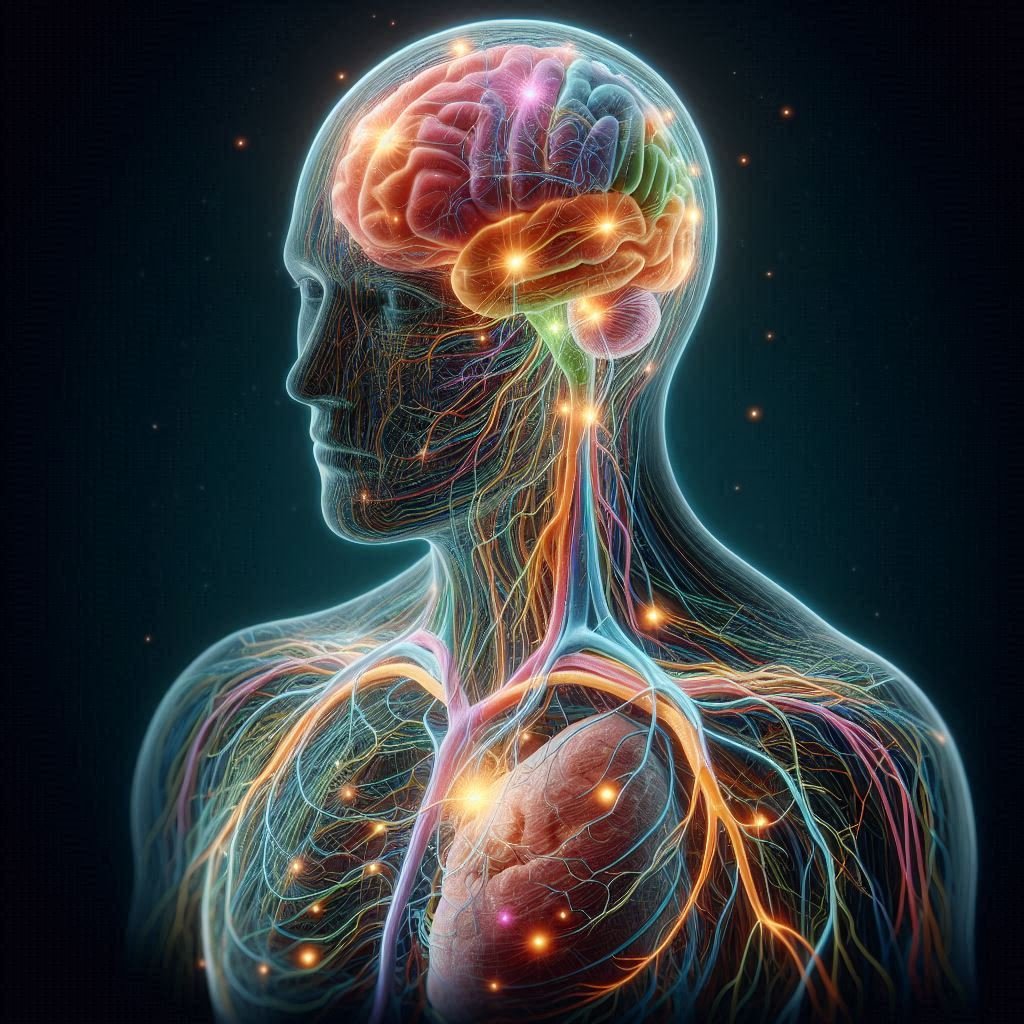
Human body works with a highly coordinated mechanism making us able to think, move and react to the world we live in. The brain is at the core of this coordination and it is in this way that it communicates with rest of the body through complex systems in the form of neural pathways. These channels are recreational routes, which carry out messages that control voluntary and involuntary movements.
Even the simplest things such as walking, talking or acting upon an unexpected sound are complex processes involving the brain and body. Such interactions rely on the functionality of the neural pathways that transmit electrical and chemical messages across the nervous system. It is through these pathways that the body cannot process information or react to stimuli accordingly.
The realization of the brain-body relationship can be used to explain why neural communication is so vital in everyday life. Understanding the mechanism of operation of the neural pathways, one may gain a better understanding of the way in which the body operates even the simplest processes.
Knowing about Neural Pathways and Communication
Neural networks are coordinated structures of neurons that pass information within the nervous system to other parts of the nervous system. These pathways are links between the brain, spinal cord and periphery nerves which enable the transmission of signals through the body at a very high speed.
The neural pathway communication is a process that involves a mixture of chemical and electrical processes. Action potentials are electrical impulses that pass along neurons, whereas neurotransmitters passing across synapses are signals that are chemical in nature. The two mechanisms guarantee effective and precise transfer of information.
Upon the occurrence of a stimulus like when touching a hot surface or hearing of a loud noise, the sensory neurons transmit impulses to the brain via neural pathways. This information is relayed to the brain and a response is generated by the brain and therefore sent back to the body via motor neurons.
This is a constant flow of information, which is at the foundation of all body functions. The responsiveness of neural pathways is what defines how fast and precise the body will respond to a change in the environment.
The Control Center being the Brain
The brain is the central point in the mechanism of communication throughout the body. It takes information as the input through the sensory organs, processes the information, and transmits the commands to the nervous system via neural pathways to coordinate action.
The brain has different parts which perform different functions. As an example, the motor cortex is in charge of voluntary movement, whereas other parts are in charge of emotions, memory, and decision-making. Regardless of such specialization, the body is well integrated with all the parts of the brain to ensure a fluent communication process.
This is because the brain has the capacity to process a huge amount of information in real time and thus enable individuals to do complicated activities without straining. The brain uses neural pathways whether dealing with a problem or responding to a sudden event to coordinate the required response.
The role of the Neural Pathways in movement
One of the most obvious instances of brain-body connection is movement. Walking, running or lifting objects all involve the accurate communication between the brain and muscles based on neural pathways.
When the brain thinks that it is time to move, it transmits its message through the motor neurons and to the particular groups of muscles. The signals are what cause the contraction of the muscles hence movement. Meanwhile, the muscles and joints send sensory feedback to the brain where adjustments in movement are able to occur as well.
This positive feedback loop makes the movements smooth, coordinated and efficient. An example is the case of walking where the brain keeps receiving information on balance, position, and pressure, thus keeping the person steady.
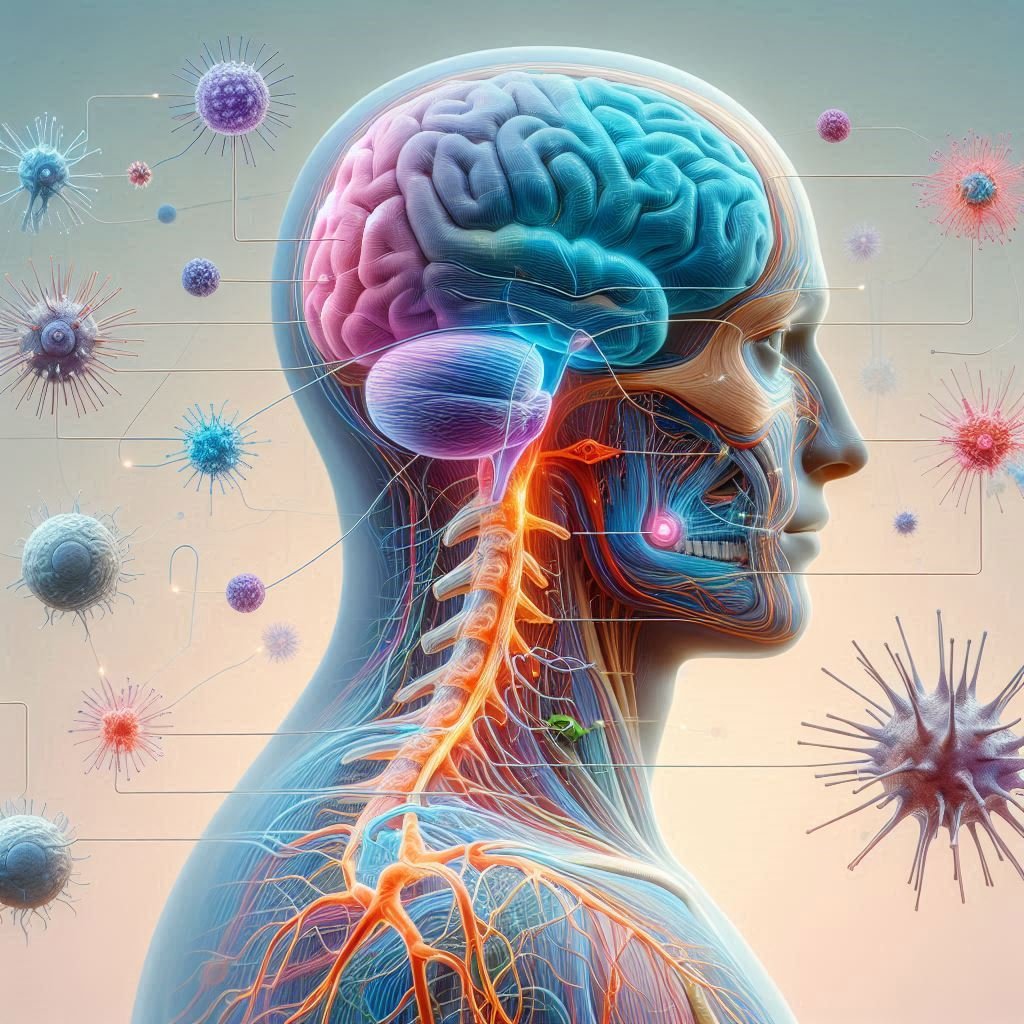
Even simple movements would not be possible without the ability of the neural pathways to function properly. This portrays the essence of neural communication in physical activity maintenance.
Neural Pathways and the Process of Thinking and Decision-Making
In addition to physical mobility, the neural circuits are important in mental activities like reasoning, education, and decision-making. These are the paths through which various parts of the brain are able to communicate and exchange information.
When a person is involved in activities that are connected to problem solving or recalling, neural pathways are involved in transferring information across different parts of the brain. This communication helps the brain to compute the complex thoughts and come up with the necessary reaction.
Neural pathways are also related to learning. Repetition further consolidates links among neurons, and one can remember information or do something more easily. This is referred to as neural plasticity and enables the brain to change and develop with time.
Cognitive performance depends on the effectiveness of neural pathways. Powerful, properly taken care of pathways enhance quicker processing and decision-making.
Response to Stimuli: Responses and Reflexes
Survival requires one to respond promptly to stimuli. Neural pathways that bypass the brain allow reflex actions like a withdrawal reaction to an object that is hot.
When this happens, the signals are transmitted to the spinal cord by the sensory neurons that cause a direct motor response. This fast communication makes the body able to react to possible threats without wasting any more time.
Complicated reactions are the ones that involve the brain and in such reactions, sensory data are processed and a response is created. Demonstratively, when one listens to a loud noise it might result in an automatic reaction, then making a conscious decision on how to react.
These mechanisms indicate that neural pathways allow automatic and conscious behaviours to ensure that the organism is capable of responding to varying circumstances.
Organization of Daily actions
The day to day tasks are based on the smooth operation of various systems in the body. These systems are coordinated by neural pathways that enable people to carry out activities like speaking, eating and balancing themselves.
In a case in point, the act of speaking entails the co-ordination of muscles of the mouth, tongue and vocal cords and they are all directed by the brain. On the same note, there is specific timing and sequencing of chewing, swallowing and digestion with regard to eating.
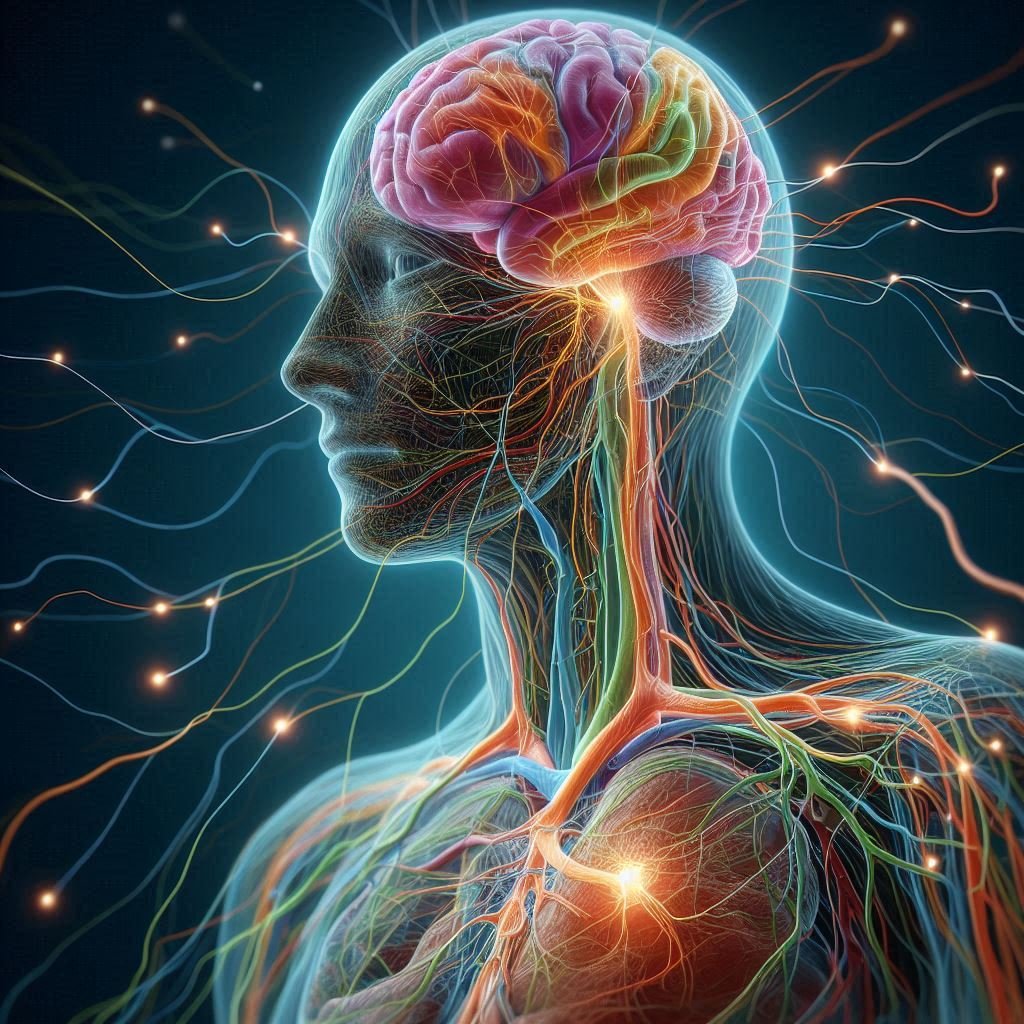
Another role that neural communication is vital is balance. The eyes, inner ear and muscles provide the brain with the input on which it uses to maintain the stability.
These instances explain how even the routine activities rely on the complex interactions in the nervous system.
The significance of the effective neural pathways
Neural pathways are very important in ensuring optimal performance and health. When these pathways are operating correctly, the body is able to react to stimuli very fast and in the correct way.
Neural communication may also be disrupted to cause impairments in movement, coordination, or cognitive ability. The integrity of the neural pathways may be affected by factors like injury, illness or aging, which underline the significance of neural system health.
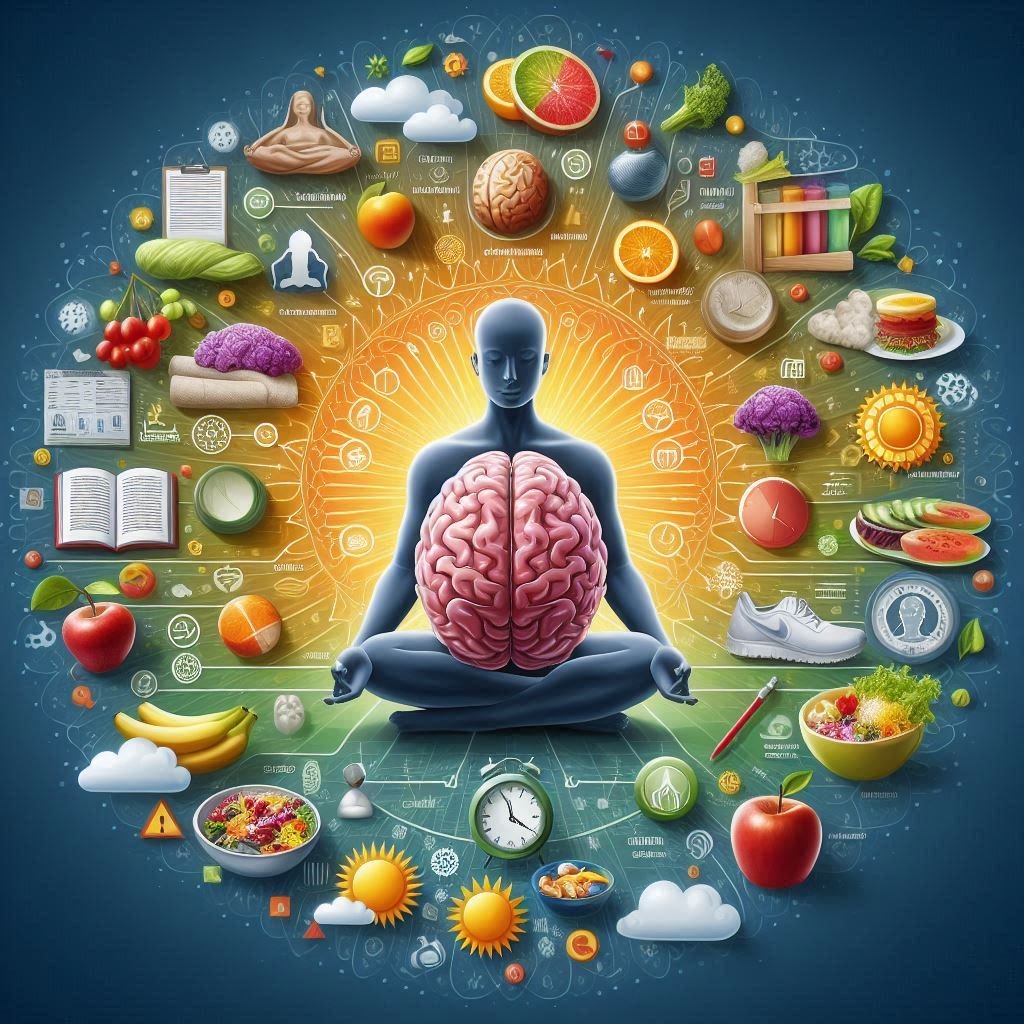
The activity of neural pathways can be facilitated by regular physical exercises, mental activity, and diet. These reasons assist in maintaining the power and effectiveness of neural networks, which leads to general health.
Enhancing the Brain-Body Relationship
Enhancing brain-body connection is done by increasing the efficiency in the neural pathways. These connections can be strengthened with the help of activities that pose a challenge to the body and mind.
Exercises which involve coordination like dancing or sports are beneficial as they help the brain to communicate with the muscles. Correspondingly, learning processes such as reading a book or solving a problem trigger neural processes in the brain.
It is important that there is consistency in the connections between the neurons. The consistent use of physical and mental exercises promotes neural long-term health and performance.
To get more information, refer: Neural pathway.
Conclusion
Brain-body connection is one of the most important elements of human functioning that allows people to think, move, and communicate with the surrounding environment. Neural pathways are at the core of this relationship as they allow the brain to communicate with the rest of the body.
Neural pathways (through electrical and chemical signals) bring order to simple reflexes as well as complex thinking processes. The knowledge of how these pathways operate gives a very good idea of the mechanisms behind the actions we tend to do on a day-to-day basis.
Through the understanding of the significance of neural pathways and by making efforts to facilitate their actions, one can improve his/her physical and mental performance. This information can be used as the basis of appreciating the human body complexity and the importance of the nervous system in everyday life.