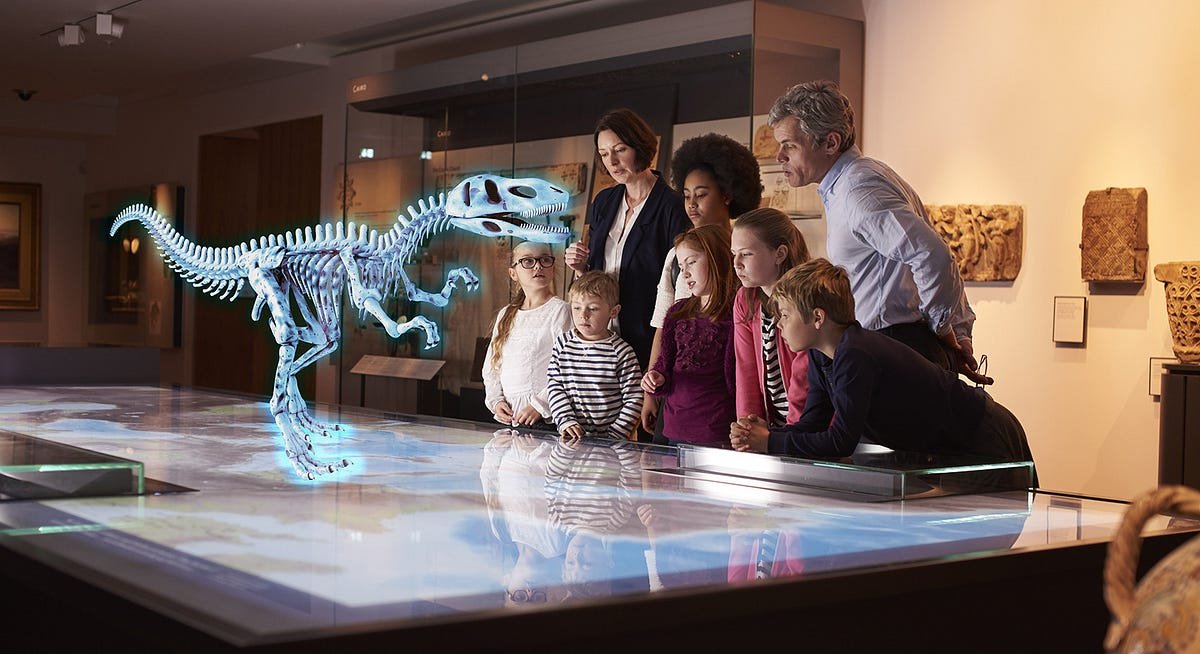
Museums have always been gateways to history, culture, and creativity. From priceless paintings to ancient artifacts, they preserve humanity’s collective memory and inspire millions of visitors every year. Yet, how people experience museums has changed dramatically over time. In the past, visitors relied on printed guidebooks or hired human guides to interpret exhibits. Today, however, technology is reshaping this experience. The rise of AI-powered audio guides is giving visitors new ways to engage with museums, blending convenience with personalization.
One of the leaders in this transformation is Herodot AI, a smart audio guide that helps travelers and culture seekers unlock the hidden stories behind every exhibit. But this raises an important question: which is better for experiencing museums, AI guides or human guides? Let’s explore.
The Strengths of Human Guides
For centuries, human guides have played a vital role in museum visits. Their strengths include:
- Personal Interaction
A skilled human guide can read the emotions of visitors and adapt explanations on the spot. They answer questions directly and provide live discussions, which can feel very engaging. - Storytelling Passion
Human guides often bring enthusiasm, humor, and emotion to their tours. A passionate storyteller can make history come alive in a way that captivates the audience. - Group Dynamics
For large groups, human guides help organize the visit and ensure everyone follows a structured path through the museum.
However, as valuable as these strengths are, human guides also have limitations. They are not always available in every language, they follow fixed schedules, and private tours can be expensive. Furthermore, their knowledge, while strong, may vary depending on the individual guide.
The Rise of AI Guides
This is where AI audio guides are changing the game. Apps like Herodot AI are making museum visits more interactive and accessible than ever before. Instead of being tied to a group or depending on a guide’s availability, visitors can explore exhibits at their own pace while still enjoying professional-level storytelling.
Key advantages of AI guides include:
- Personalized Narration
With Herodot AI, visitors can choose the type of guide they want. Options include a professional historian for deep context, a casual local voice for cultural insights, or even a kid-friendly narrator designed to keep younger audiences engaged. - Multilingual Access
Unlike many human guides who speak only one or two languages, AI can instantly deliver content in multiple popular languages. This makes museums far more accessible to international travelers. - On-Demand Flexibility
Visitors decide when and how to explore. You can pause, rewind, or skip sections without feeling rushed. This flexibility is especially useful for families and solo travelers who want to move at their own pace. - Smart Recognition Features
Herodot AI goes beyond traditional audio devices by offering photo recognition and map-based exploration. Simply point your camera at an artwork or object, and the app instantly shares its story. This turns the museum into an interactive classroom in your pocket. - Cost-Effectiveness
Hiring a private guide can cost a lot, especially in famous museums. AI guides provide a premium experience at a fraction of the price, making cultural enrichment affordable for everyone.
AI vs. Human Guides: A Direct Comparison
| Feature | Human Guide | Herodot AI (AI Audio Guide) |
| Personalization | Depends on the guide’s style and knowledge | Fully customizable narration style and depth |
| Language Options | Limited to guide’s fluency | Multiple popular languages available instantly |
| Flexibility | Fixed schedule and pace | Explore at your own speed, pause, rewind, or skip |
| Cost | Often expensive for private tours | Affordable and accessible |
| Knowledge Scope | Varies by individual guide | Consistent, research-backed storytelling |
| Availability | May not always be accessible | Always available in your pocket |
From this comparison, it becomes clear that while human guides excel in live interaction, AI guides like Herodot AI win on personalization, accessibility, and convenience.
Real-Life Scenarios: How Herodot AI Enhances Museums
Imagine visiting the Louvre Museum in Paris. A human guide might take you to the most famous works, such as the Mona Lisa, but time constraints may prevent a deeper exploration. With Herodot AI, you can spend as long as you want in front of the Mona Lisa, hearing both basic facts and hidden stories. Then, if curiosity strikes, you can wander into quieter galleries and use the app to uncover details about lesser-known masterpieces.
At the British Museum in London, a family could choose the kid-friendly narrator, making ancient artifacts entertaining for children. Meanwhile, parents could switch to a historian voice to get more academic context. This flexibility allows everyone in the family to enjoy the museum in their own way while still sharing the experience together.
Why the Future Belongs to AI-Powered Guides
The future of museums is about inclusivity, interactivity, and learning on demand. AI is uniquely positioned to deliver this. Visitors increasingly expect more than passive observation. They want stories, context, and engagement that feels personal. With features like gamification, augmented reality overlays, and offline access, AI guides will continue to expand what is possible in museum experiences.
Herodot AI stands at the forefront of this trend. By merging AI technology with cultural storytelling, it is setting a new standard for how people interact with art and history.
Conclusion: Choosing the Best Experience
Both human guides and AI guides have their place in museums. Human guides excel at live interaction and emotional storytelling, while AI guides offer unmatched personalization, affordability, and accessibility. For the modern traveler or family seeking flexibility, Herodot AI is often the smarter choice.
Museums are no longer places where you simply look at objects behind glass. With AI, they become living, breathing spaces of discovery. Whether you are a solo traveler, a parent with curious children, or an art enthusiast, Herodot AI makes every museum visit richer, smarter, and more memorable.
Ready to explore museums differently? Try Herodot AI and discover the future of cultural storytelling today.