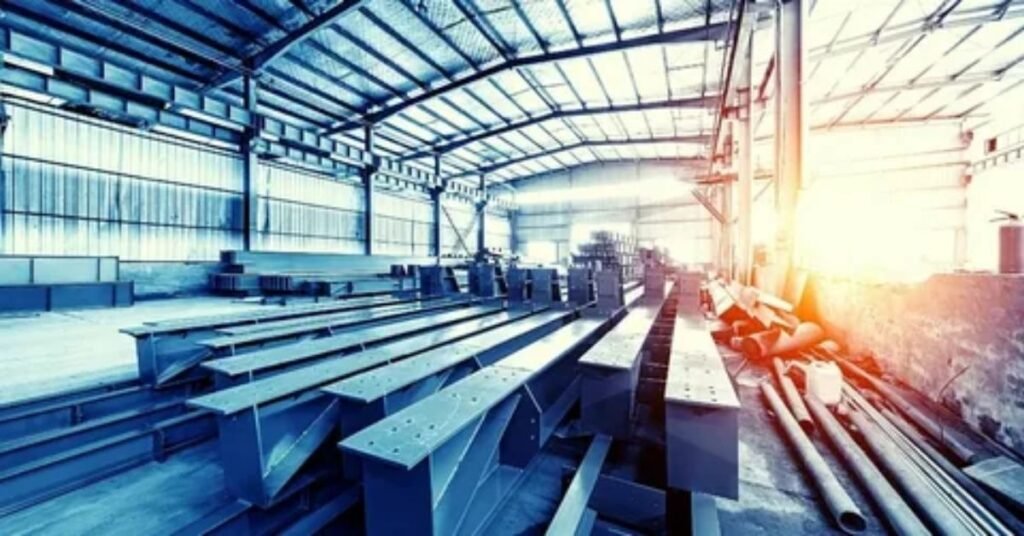
Steel manufacturers are companies that produce steel products used across construction, transport, energy, and manufacturing. They convert raw materials into useful materials that sustain contemporary existence. Buildings and machinery, their labourers lay the foundation of the world industry.
Across the world, steel manufacturers connect mines, factories, ports, and markets. The level of production determines the cost of availability and delivery period at any place. In case the supply chains rely on steel, even a slight disturbance can affect the entire world, and it is crucial to know what to expect next.
Understanding the Global Steel Supply Chain
The world steel supply chain starts with raw materials such as iron ore and culminates in the finished products that are consumed all over the world. Every phase necessitates the timely application and coordination. Slowing down a single step puts the entire chain in trouble. That is why the importance of smooth movement is great.
Steel manufacturers sit at the centre of this system turning raw inputs into usable materials for many industries. Their strategy influences transportation, warehouse and distribution in regions. A good supply chain helps projects remain on time and maintains a stable market.
Why Steel Manufacturers Are Central to Supply Stability
The stability of supply is based on stable production and clear plans in industries. On-time delivery of materials enables businesses to meet deadlines and manage costs. Any sluggishness may result in delays, which will be diffused rapidly throughout the markets.
Steel manufacturers play a vital role by balancing demand with production capacity. They assist in lessening scarcity and stabilising global trade. Their flexibility keeps the supply chains robust even in uncertain periods.
Reasons for supply stability depend on strong production
• Repetitive production facilitates future planning.
• Dependable delivery decreases the delays in projects.
• Predictable supply assists in regulating the market prices.
• Good scheduling enhances transport movement.
• Quality assurance eliminates wastage of materials.
• Good coordination creates confidence in the industry.
Impact on Key Industries Worldwide
Steel is essential to industries all over the world to continue their movement and development. It has to remain constant whether it is large projects or the normal supply of goods. Steel manufacturers support this balance by keeping materials available for many sectors.
International demand needs to be met by swift production. Steel manufacturers influence timelines, costs, and output across global markets. Their coverage links suppliers, constructors, and engineers worldwide.
Construction and Infrastructure
The building relies on robust materials and is supplied at the appropriate time. Steel manufacturers help support large projects like bridges, housing, and commercial buildings. Their continuity enables planners to achieve completion and manage budgets. In the absence of a constant supply, development will slow down.
Automotive and Transportation
Trains, ships, and vehicles are all dependent on steel to be strengthened and safe. Steel manufacturers supply materials that meet strict performance standards. This assists in increasing production by industries in scale and quality. Consistent input maintains the running of assembly lines.
Energy and Power Sectors
Energy projects require tough materials that can be used over a long period of time. Steel manufacturers provide support for power plants, pipelines, and renewable systems. Their production assists in satisfying the growing energy demands in the world. Stability in this case secures vital infrastructure.
Machinery and Heavy Equipment
Heavy machinery is used in factories, farms and industrial locations. Steel manufacturers supply materials that handle pressure and wear. This facilitates effective business in most areas. Effective supply contributes to the development of industries with a high degree of confidence.
Challenges Faced by Steel Manufacturers
Operating a consistent business is not necessarily smooth sailing in an international market. Production is easily affected by increasing prices, changing demand and unforeseen disruptions. Any decision has to be made within a tradeoff between speed, quality, and cost to remain competitive.
Steel manufacturers often face pressure from supply shortages, transport delays, and changing regulations. Such challenges have the ability to reduce the pace of output and increase prices in industries. The most effective way to minimise the impact is to be flexible and ready.
Innovation and Technology in Steel Manufacturing
Contemporary manufacturing is based on intelligent devices and distinct design. Daily operations are now guided by the automation data systems and digital tracking. Steel manufacturers use technology to improve speed, accuracy, and consistency across output.
With the increasing demand, technology assists in achieving quality and tight schedules. Steel manufacturers invest in new methods to reduce waste and improve reliability. This change continues to make supply chains dynamic and competitive.
Automation and Smart Production
The operation of the factories in today’s times is automated. Steel manufacturers use machines to handle repetitive tasks with precision. This minimises mistakes and increases the level of output. It is also useful in getting the workers to concentrate on skilled jobs.
Digital Monitoring and Control
The data about the real time gives an opportunity to make a better decision on the factory floor. The systems monitor temperature, speed and flow of materials. This enhances uniformity and minimises idle time. Steel manufacturers benefit from clearer visibility across production.
Advanced Processing Techniques
New ways of processing enhance strength and durability. The methods assist in fulfilling rigorous industry requirements. Steel manufacturers can deliver materials that perform better under pressure. This is in favour of demanding applications across the globe.
Research and Future Technologies
The industry is long-term developing through continuous research. New alloys and cleaner approaches are being considered. Steel manufacturers that invest in innovation stay ahead of change. This guarantees rapid market growth.
Conclusion
Manufacturing of steel continues to make it a powerful and consistent supply chain across the world. The process sustains untold numbers of industries from raw materials to finished products. The elements of consistency, quality, and planning keep cross-border projects going. This impact is carried on to contemporary trade and development.
With the development of the markets, innovativeness and flexibility become even more significant. Manufacturers who make investments in technology, sustainability, and efficiency remain competitive. They not only produce but also contribute towards growth, stability, and long-term development. International supply chains are based on this stable base.