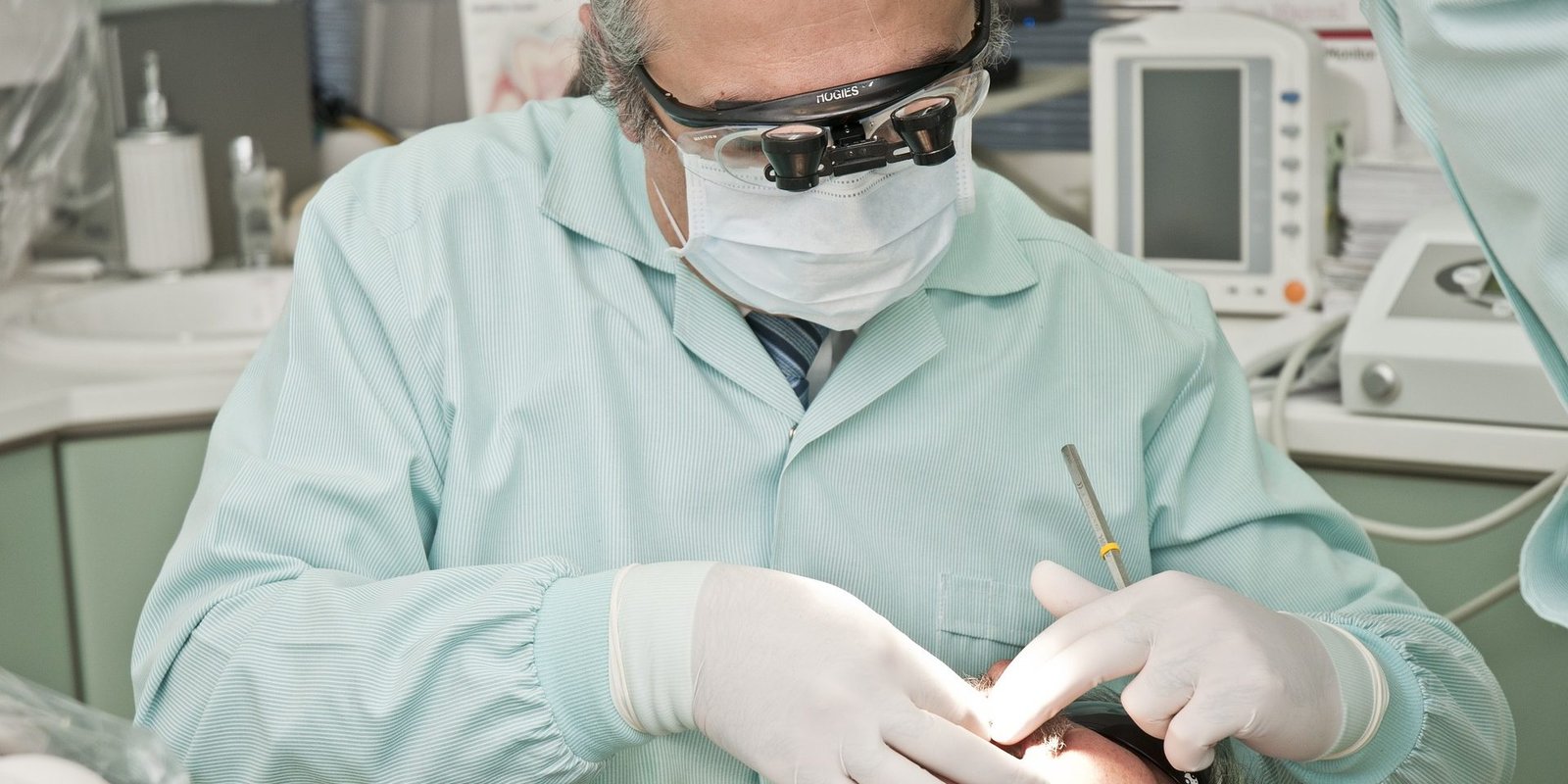
Your mouth tells a story long before you sit in the dental chair. You may ignore small changes or hope they fade on their own. Yet small problems often turn into deep pain, broken teeth, or costly fixes like Lansing dental crowns . A general exam gives you a full check of your teeth, gums, tongue, and jaw. It also uncovers hidden decay and early gum disease that you cannot see in the mirror. You should not wait for a sharp ache or a chipped tooth. Instead, you can watch for clear warning signs that show your mouth needs more than a quick cleaning. This guide walks through five signs that it is time for a full exam. You will see how each sign links to larger health risks. You will also learn what to expect during the visit so you can plan your next step with calm.
Why a general dental exam matters for your whole body
Your mouth connects to the rest of your body. Pain, bleeding, or loose teeth often point to deeper health threats. The Centers for Disease Control and Prevention reports that gum disease links to heart disease and diabetes.
During a full exam, a dentist can
- Check teeth for decay, cracks, and worn edges
- Measure gum pockets and watch for infection
- Review bite and jaw movement
- Screen for oral cancer
Early care costs less money and less time. It also protects your ability to chew, speak, and smile without fear.
Sign 1. Ongoing pain or sensitivity
Tooth pain is a warning, not a test of strength. If you feel pain when you chew, drink cold water, or eat sweet food, your body is asking for help.
You may notice
- A dull ache that comes and goes
- Sharp pain when you bite down
- Cold or heat that lingers after you eat
These signs can mean
- Tooth decay that has reached the inner layer
- A cracked tooth
- Receding gums that expose sensitive roots
Ignoring pain often leads to infection or root canal treatment. A general exam can spot the cause and stop the damage before you lose the tooth.
Sign 2. Bleeding, swollen, or sore gums
Gums should not bleed when you brush or floss. If you see pink in the sink, your gums need care. The National Institute of Dental and Craniofacial Research explains that red, swollen gums and bleeding are common signs of gum disease.
Watch for
- Gums that bleed often
- Gums that look red or feel tender
- Bad taste in your mouth
Early gum disease can often be reversed with a full exam, deep cleaning, and better home care. Late stage gum disease can lead to loose teeth, bone loss, and pain when you chew. Your dentist can measure gum pockets, use X rays, and create a plan that fits your mouth.
Sign 3. Changes in your bite, jaw, or chewing
A healthy bite feels even. Your jaw moves without noise or pain. When things change, your teeth and joints may be under strain.
Notice if you
- Hear clicking or popping in your jaw
- Wake with jaw tightness or soreness
- See chipped or flattened teeth
- Feel that your teeth no longer fit together
These patterns can come from teeth grinding, stress, lost teeth, or old dental work that no longer fits. A general exam lets the dentist check your bite, jaw joints, and muscles. You may need a night guard, repair of worn teeth, or replacement of missing teeth.
Sign 4. Mouth sores, patches, or lumps
Some sores heal fast. Others stay, change, or return. Any spot that does not heal within two weeks deserves a full exam.
Call your dentist if you see
- White or red patches on your tongue, cheeks, or gums
- Lumps, thick spots, or rough edges
- Persistent numbness or pain in one place
These changes may be harmless. Yet they can also signal infection or early oral cancer. During a general exam, your dentist will look at every surface in your mouth and may suggest a biopsy or a visit with a specialist. Early detection can save tissue, speech, and life.
Sign 5. Ongoing bad breath or bad taste
Bad breath after garlic is normal. Constant bad breath is not. Chronic odor or a bitter taste often means bacteria are hiding under your gums, between teeth, or inside cavities.
You might notice
- People step back when you speak
- Mint or gum only helps for a short time
- A sour taste that will not go away
A general dental exam can uncover decay, gum disease, dry mouth, or sinus issues. Cleaning alone cannot fix these problems. You need a clear diagnosis and a plan for real relief.
How a general exam compares to a routine cleaning
You may think your six month cleaning is enough. However a cleaning and a full exam are not the same. The table below shows the difference.
| Service | Routine Cleaning Visit | Comprehensive General Dental Exam |
|---|---|---|
| Main purpose | Remove plaque and tartar | Review full mouth health and risks |
| Gum check | Quick visual look | Detailed gum measurements and charting |
| X rays | Sometimes, based on time since last set | Planned series to check bone, roots, and decay |
| Oral cancer screen | Basic look at lips and cheeks | Full soft tissue exam of tongue, floor of mouth, and throat |
| Bite and jaw review | Only if you raise a concern | Active review of bite, wear, and joint movement |
| Treatment planning | Simple advice on brushing and flossing | Written plan that can include fillings, gum care, or crowns |
What to expect during a comprehensive exam
You may feel nervous. That is common. You deserve to know what will happen.
During a full exam you can expect
- Questions about your health, medicines, and past dental work
- Digital X rays or photos to spot hidden problems
- Careful check of each tooth and existing fillings or crowns
- Gum charting and review of plaque buildup
- Oral cancer screening
- A talk about what the dentist found and what comes next
You can bring a list of questions. You can also share fear or past trauma. Clear talk with your dentist reduces stress and helps you choose care that fits your life.
Taking the next step
If any of the five signs sound familiar, you already have enough reason to call for a general dental exam. You do not need to wait for severe pain or a broken tooth. You can act now and protect your health, your money, and your peace of mind.
Reach out to your dental office. Ask for a comprehensive general exam. Then use what you learn to plan care that keeps your mouth steady and your body safer.