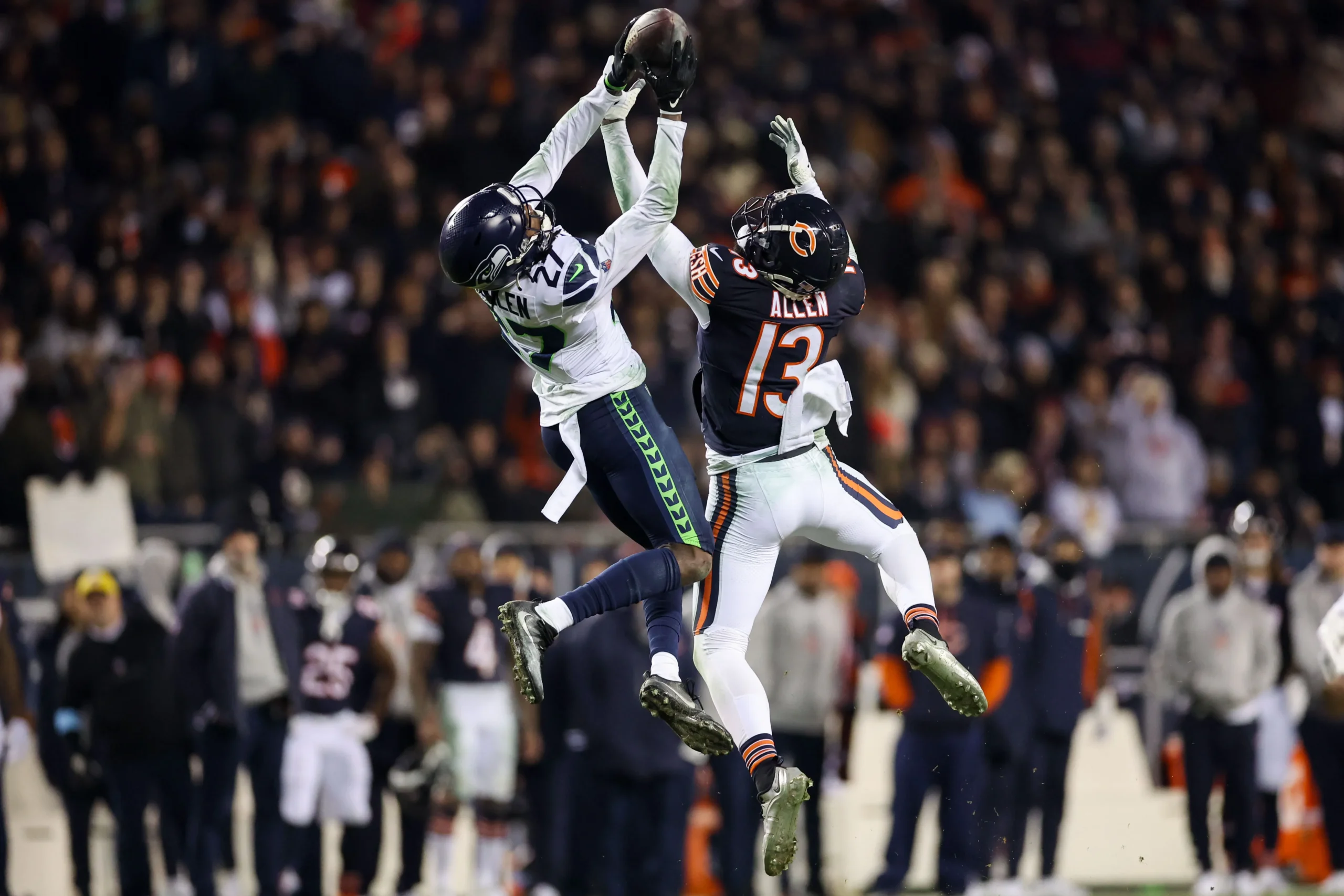
The clash between Seattle and Chicago always brings intensity, smart tactics, and powerful individual performances. Fans, analysts, and fantasy players closely track Seahawks vs Chicago Bears Match Player Stats to understand how each athlete influences the outcome. From quarterback efficiency to defensive pressure and special teams impact, every number tells a deeper story.
This detailed guide explores player metrics, standout moments, and tactical insights while keeping the focus on reliable data and smart analysis. Whether you are a fan, blogger, or sports bettor, this article will help you interpret the most important stats from this exciting matchup.
Game Overview and Team Form
Both teams entered the contest with different strengths. Seattle leaned on a balanced offense and quick passing game, while Chicago relied on a strong ground attack and an aggressive defense.
Looking at recent Seahawks vs Chicago Bears Match Player Stats, Seattle showed higher passing yards per game, while Chicago dominated rushing attempts and tackles for loss. These contrasts created an intriguing battle of styles.
Offensive Philosophy
Seattle preferred spreading the field with short and mid range throws. Quick reads reduced pressure on the quarterback and opened lanes for receivers.
Chicago focused on ball control. Longer drives kept Seattle’s offense off the field and gave their defense more rest.
Defensive Identity
Seattle’s defense emphasized speed and coverage. They aimed to force incomplete passes and turnovers.
Chicago’s defense played physically in the trenches. Their pass rush constantly disrupted timing and forced hurried decisions.
Quarterback Performance Analysis
Quarterbacks shaped the direction of the game. Their completion rate, pocket movement, and decision making greatly affected momentum.
In recent Seahawks vs Chicago Bears Match Player Stats, Seattle’s quarterback showed higher completion percentages and fewer turnovers. Chicago’s quarterback relied more on mobility and scrambling yards.
Seattle Quarterback Highlights
Quick throws allowed steady progress down the field. Accurate short passes converted key third downs. Smart play calling reduced sacks and kept drives alive.
Chicago Quarterback Highlights
The Bears signal caller used athleticism to escape pressure. Designed runs added extra yards and stretched the defense. Though passing numbers were lower, rushing impact balanced the offense.
Running Back Contributions
Running backs carried much of the physical workload. Their performance influenced time of possession and scoring chances.
When reviewing Seahawks vs Chicago Bears Match Player Stats, rushing efficiency often became the difference between short punts and long scoring drives.
Seattle Ground Game
Seattle’s backs used cutback lanes and outside runs. Speed helped them gain yards after contact. Screens and checkdowns also increased total yardage.
Chicago Ground Game
Chicago leaned heavily on power runs. Strong blocking created inside gaps. Their lead back consistently pushed through tackles to move the chains.
Read More Like: Tampa Bay Buccaneers vs Houston Texans Match Player Stats
Wide Receiver and Tight End Impact
Receiving units added explosiveness. One big catch could instantly change field position or momentum.
Detailed Seahawks vs Chicago Bears Match Player Stats reveal how receptions, yards after catch, and red zone targets influenced the scoreboard.
Seattle Receiving Corps
Crisp routes and quick separation helped receivers win one on one matchups. Slot players converted several third downs, while deep threats stretched coverage.
Chicago Receiving Corps
Chicago targeted tight ends more often, especially near the goal line. Physical play created mismatches against smaller defenders.