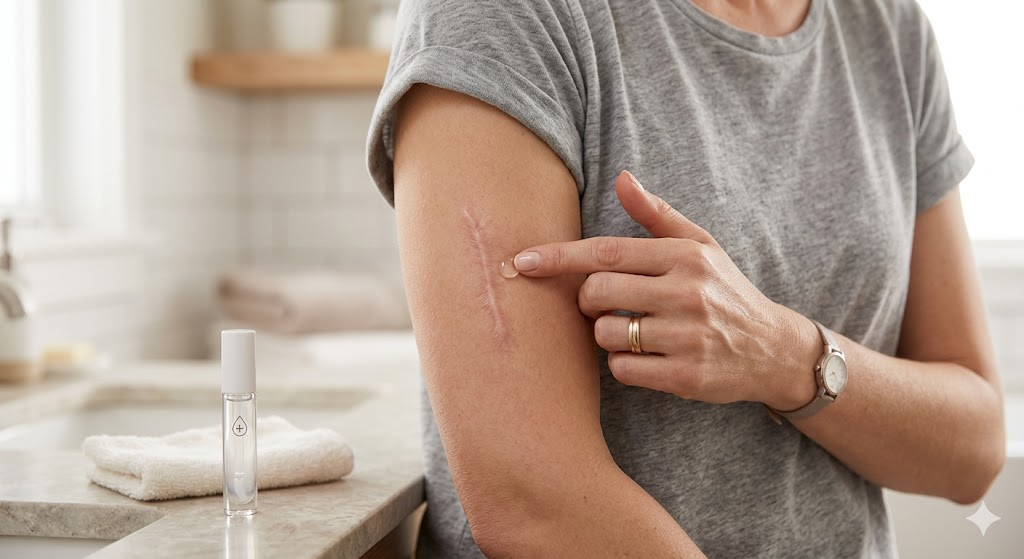
Scars are a natural part of life, marking experiences, healing, and growth. While they tell our stories, many people wish for a smoother, more even skin appearance. Scar gels have emerged as a trusted solution for reducing the visibility of scars, offering a gentle yet effective approach.
If you have a minor cut, a surgical scar, or acne marks, understanding how a scar gel works and using it correctly can make a noticeable difference. Let’s explore the benefits of scar gels and strategies for achieving the best possible results as you embark on your skin’s unique journey.
What Scar Gel is and Why it’s Used
Scar gel is a topical formulation designed to support the skin’s natural healing process and improve the appearance of scars over time. Typically available in a lightweight form, these gels are easy to apply and suitable for daily use.
The primary goal of scar gel is to reduce redness, smooth texture, and make scars less prominent. People use scar gel for various reasons, from post-surgical marks and injury scars to acne and stretch marks.
It offers a convenient, non-invasive way to care for skin and enhance confidence, complementing the body-positive perspective that scars are a natural part of life.
How Scar Gel Works on Scar Tissue
Scar gel works by creating a protective layer over the affected area, helping to maintain optimal moisture levels while supporting the skin’s natural repair mechanisms. Many formulations include ingredients that soften and hydrate scar tissue, preventing it from becoming hard or raised.
Over time, consistent use can improve skin texture, reduce redness, and flatten raised scars. The gel may also help regulate collagen production during skin healing, contributing to a smoother, more even surface. While results vary depending on scar type and age, a structured application routine enhances the gel’s effectiveness, ensuring you get the most from your effort.
When and How to Apply Scar Gel Correctly
Timing and technique are key to achieving visible improvement with scar gel. Ideally, gel application should begin once the wound has closed and the skin is no longer open or actively bleeding. For surgical scars, this is often a few days to weeks after stitches are removed, while minor cuts may require a shorter wait.
Application Tips Include:
- Cleanse the area gently before applying the gel.
- Apply a thin, even layer, avoiding excessive rubbing.
- Massage the gel lightly to encourage absorption.
- Use the gel consistently, typically twice daily, for several weeks to months, depending on the severity of the scar.
Patience and regularity are crucial. Scar gels are supportive tools, and consistent application maximises their impact without causing irritation.
Expected Results and Realistic Timelines
It’s important to maintain realistic expectations when using scar gel. Most users notice subtle improvements within 4–6 weeks, with more significant changes appearing after 8–12 weeks of regular use. Results depend on factors such as scar type, age, location, and individual skin characteristics.
Common improvements include:
- Reduced redness and discolouration
- Smoother skin texture
- Flattening of raised scars
- Overall improved appearance and feel of the skin
While scar gel cannot completely erase scars, it can support a noticeable transformation that enhances confidence and comfort in your skin.
Choosing the Right Scar Gel for Your Needs
Not all scar gels are the same, and selecting the right one can make a difference in results. When choosing a scar gel, consider:
- Ingredients
Look for clinically tested ingredients, such as cepalin botanical extract, to reduce scars. Soothing allantoin helps soften tissue, while hyaluronic acid hydrates, promotes cell renewal, and supports smoother, softer scars.
- Skin Type Compatibility
Ensure the gel is suitable for sensitive, oily, or dry skin.
- Scar Type
Some gels are formulated for specific scar types, such as post-surgical, acne, or stretch mark scars.
- Ease of Use
Lightweight, non-greasy gels make regular application comfortable.
Complementary Practices for Better Scar Outcomes
While scar gel is effective on its own, combining it with complementary practices can enhance results:
- Sun Protection
UV exposure can darken scars, so applying sunscreen daily is crucial.
- Gentle Skincare
Avoid harsh scrubs or chemical peels on scarred areas. If you’re also dealing with acne, using products for pimple scars can help reduce redness and support healing.
- Hydration
Keeping skin moisturised supports healing and elasticity.
- Healthy lifestyle
Adequate nutrition and sleep contribute to overall skin repair.
These practices work alongside scar gel to create an environment where your skin can recover optimally, and your scars gradually become less noticeable.
Achieving Smoother, Healthier Skin with Scar Care
Scars are a natural part of life, reflecting healing and personal experiences. While they are never a flaw, many people seek ways to reduce their visibility for a smoother, more even skin appearance. With consistent care, patience, and the right approach, improvement is achievable. Every small step in your scar care routine contributes to healthier, more comfortable skin over time.
Brands like Mederma offer clinically tested gels that support scar healing, helping to soften, hydrate, and visibly improve both old and new scars. Using these products alongside good skincare habits can enhance results while keeping your skin healthy and cared for.