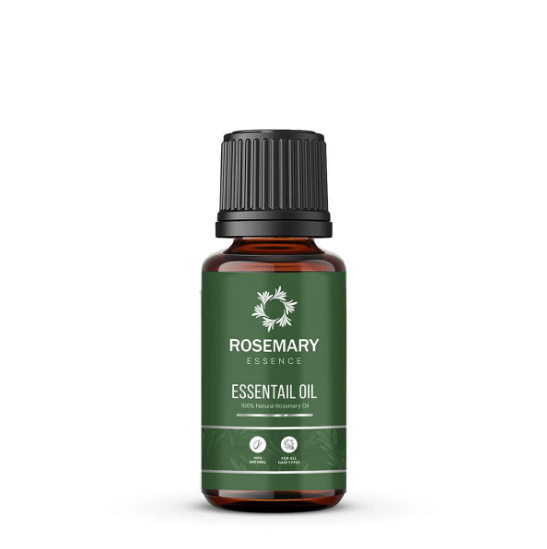
In the realm of natural hair care, rosemary essential oil and mint-infused scalp treatments have gained popularity for their purported benefits in promoting hair growth and scalp health. Let’s explore how these botanical ingredients can contribute to healthier, stronger hair.
Rosemary Essential Oil: The Key to Hair Growth
Stimulates Hair Follicles
Rosemary essential oil is believed to stimulate blood circulation in the scalp, which in turn promotes hair growth. Improved blood flow to the hair follicles nourishes them and supports healthy hair growth.
Strengthens Hair
Regular use of rosemary essential oil can strengthen hair strands, making them less prone to breakage and damage. This can result in thicker, more resilient hair over time.
Antioxidant Properties
Rich in antioxidants, rosemary oil helps protect the scalp and hair from oxidative stress caused by free radicals. This can contribute to overall scalp health and a conducive environment for hair growth.
How to Use Rosemary Essential Oil
- Add a few drops of rosemary oil to a carrier oil like coconut or jojoba oil and massage it into the scalp.
- Leave it on for at least 30 minutes before shampooing.
- Alternatively, add rosemary oil to your regular shampoo or conditioner for an added boost.
Mint Scalp Treatment with Rosemary, Rice & Peppermint
Cooling and Invigorating
Mint, especially peppermint, provides a cooling sensation on the scalp, which can help soothe irritation and reduce inflammation. This cooling effect can also invigorate the scalp and promote circulation.
Rice Water for Hair Health
Rice water has been used for centuries in Asian cultures for its hair-strengthening properties. It contains amino acids and vitamins that nourish the hair and improve its elasticity.
Benefits of Peppermint Oil
Peppermint oil has antimicrobial properties that can help maintain a healthy scalp environment, reducing the risk of scalp infections that may impede hair growth.
How to Prepare a Mint Scalp Treatment
- Brew a strong mint tea using fresh peppermint leaves or use peppermint essential oil diluted in water.
- Mix rice water (water left over from rinsing rice) with the mint infusion.
- Apply this mixture to your scalp and massage gently.
- Leave it on for 15-20 minutes before rinsing thoroughly with water.
Tips for Optimal Hair Care
- Maintain a Balanced Diet: A diet rich in vitamins, minerals, and protein is essential for healthy hair growth.
- Avoid Harsh Chemicals: Minimize the use of heat styling tools and harsh hair products that can damage the hair and scalp.
- Stay Hydrated: Drinking plenty of water helps keep hair hydrated and supports overall hair health.
Incorporating rosemary essential oil and mint scalp treatments into your hair care routine can be a natural and effective way to promote hair growth and maintain a healthy scalp. Consistency is key, so be patient and observe how your hair responds to these botanical treatments.
FAQs About Rosemary Essential Oil and Mint Scalp Treatments
- Can rosemary oil and mint treatments help with hair loss? While these treatments can support hair growth by promoting scalp health, individual results may vary. Consult a dermatologist for personalized advice on addressing hair loss.
- How often should I use rosemary oil or mint treatments on my scalp? You can use rosemary oil and mint treatments 1-2 times per week or as needed, depending on your hair and scalp condition.
- Are there any side effects of using rosemary oil or mint on the scalp? Rosemary oil and mint are generally safe for topical use, but some individuals may experience allergic reactions. Perform a patch test before applying to the scalp.
- Can these treatments be used on all hair types? Yes, rosemary oil and mint treatments are suitable for all hair types. Adjust the frequency of use based on your hair’s specific needs.
- Where can I purchase quality rosemary oil and mint-infused hair products? Look for reputable brands that offer pure rosemary essential oil and mint-infused hair care products. Consider purchasing from natural health stores or trusted online retailers.