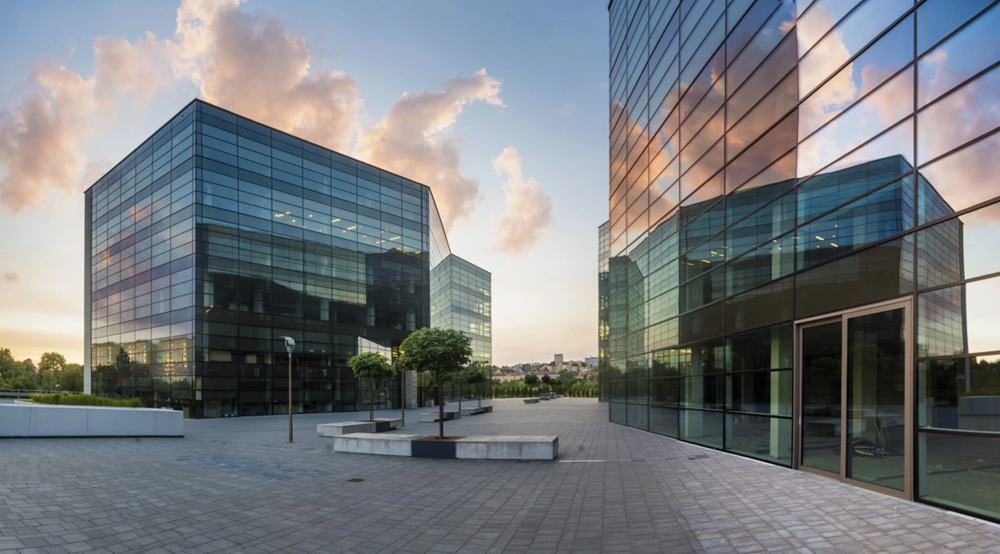
Choosing the right leading commercial glazier in Brisbane for your business isn’t just about picking something that looks good, it’s about making sure it meets your needs for safety, energy efficiency, and comfort.
The glass you choose will play a big role in your building’s overall functionality. If you’re setting up a new office or upgrading your storefront, understanding the different types of commercial glass can help you make a smart, informed decision.
Let’s dive into the most common types of commercial glass and how they can benefit your business.
Why Choosing the Right Commercial Glass Matters for Business Safety and Compliance
Commercial buildings face stricter safety expectations than residential properties due to higher foot traffic and public access. Glass must perform reliably under daily use while meeting Australian compliance standards.
Choosing the right commercial glass installation helps businesses:
- Reduce the risk of injury in high-contact areas by using compliant safety glass.
- Maintain compliance with safety glazing regulations in public and work zones.
- Improve energy efficiency and indoor comfort for staff and customers.
- Protect assets and reduce security risks at entry points and shopfronts.
Inappropriate glass selection can lead to liability exposure, insurance complications, and premature replacement. Professional commercial glazing services assess risk zones, usage patterns, and compliance requirements before installation.
What Are the Main Commercial Glass Types Used in Commercial Buildings?
Understanding the most common commercial glass types makes it easier to match glazing to the function of a space.
When Should Businesses Use Toughened Safety Glass?
Toughened safety glass is heat-treated to increase strength and impact resistance. It is commonly used where accidental contact is likely.
This glass is suitable for:
- Commercial windows and doors exposed to regular use and external forces.
- Internal doors and partitions in high-traffic areas.
- Shopfront glass installation where safety and durability are required.
When broken, toughened safety glass shatters into small, blunt fragments, reducing injury risk in busy environments.
Why Laminated Commercial Glass Is Used in Retail and Office Buildings
Laminated commercial glass consists of multiple bonded layers that remain intact when cracked. This construction improves safety, security, and performance.
Key laminated glass benefits include:
- Increased protection against break-ins and vandalism.
- Improved acoustic performance in noisy commercial locations.
- Continued barrier protection even after damage occurs.
Laminated commercial glass is widely used in shopfronts, facades, and commercial windows and doors where security is a priority.
Where Tempered Glass for Business Is Most Effective
Tempered glass for business applications provides durability and safety compliance for internal and external use.
It is commonly installed in:
- Office glass partitions requiring strength and transparency.
- Internal commercial doors and shared spaces.
- Areas requiring safety glazing options under Australian standards.
Tempered glass offers a practical balance between clarity, safety, and longevity.
How Insulated Glass Units Improve Commercial Building Performance
Insulated glass units consist of multiple panes separated by a sealed cavity, improving thermal insulation.
Insulated glass units are ideal for:
- Energy-efficient commercial glass installations.
- Office buildings with large glazed areas.
- Commercial windows and doors exposed to temperature extremes.
By limiting heat transfer, IGUs help stabilise indoor temperatures and reduce energy usage.
How Do You Choose the Right Commercial Glass for Your Business?
Choosing commercial glass should always be guided by function, not appearance alone.
Key considerations include:
- Foot traffic levels and likelihood of human impact.
- Security exposure, particularly at ground-floor locations.
- Noise levels from roads, neighbouring businesses, or machinery.
- Energy efficiency goals based on building orientation.
- Compliance with Australian safety glazing requirements.
Professional commercial glazing services assess these factors to recommend glass that performs safely and efficiently over time.
Which Commercial Glass Works Best for Shopfront Glass Installation?
Shopfront glass installation must balance visibility, security, and safety. Retail and hospitality venues face constant public interaction.
Effective shopfront glazing provides:
- Clear visibility that enhances street presence and product display.
- Protection against accidental or deliberate impact.
- Compliance with safety glazing standards in public-access areas.
Laminated commercial glass is often preferred for shopfronts due to its strength and ability to remain intact when damaged.
Which Office Glass Partitions Are Best for Modern Workplaces?
Office glass partitions support flexible layouts while maintaining light flow and visual openness.
When Should Tinted or Frosted Glass Be Used in Offices?
Tinted or frosted glass for offices provides privacy without blocking natural light.
This option suits:
- Meeting rooms and boardrooms.
- Medical and consulting spaces.
- Executive offices requiring discretion.
Frosted finishes can also incorporate branding or decorative elements.
How Acoustic Glass Partitions Improve Workplace Function
Acoustic glass partitions reduce sound transmission between spaces, supporting confidentiality and focus.
They are particularly effective for:
- Open-plan offices with multiple teams.
- Meeting rooms used for private discussions.
- Professional environments requiring speech privacy.
Acoustic performance is often enhanced through laminated construction.
How Energy-Efficient Commercial Glass Reduces Business Operating Costs
Energy-efficient commercial glass plays a major role in temperature regulation and energy consumption.
Benefits include:
- Reduced heat gain during warmer months.
- Improved insulation during cooler conditions.
- Lower reliance on heating and cooling systems.
Insulated glass units and tinted glazing are commonly used to improve energy performance in commercial buildings.
What Safety Glazing Options Are Required Under Australian Standards?
Safety glazing options are mandatory in many commercial settings to reduce injury risk.
According to the Australian Building Codes Board, glazing in commercial buildings must comply with National Construction Code requirements and relevant Australian Standards for human impact safety.
Non-compliant glass can result in:
- Increased liability for property owners.
- Insurance complications following incidents.
- Costly corrective works after inspections.
Professional commercial glass installation ensures all glazing meets compliance requirements.
When Does Smart Glass Make Sense for Commercial Use?
Smart glass commercial use allows transparency to be adjusted electronically, providing flexible privacy control.
This technology is best suited for:
- Meeting rooms requiring adaptable visibility.
- Healthcare environments needing rapid privacy changes.
- Corporate spaces focused on contemporary design.
Smart glass is typically specified for premium or specialised applications.
Which Commercial Glass Suits Windows and Doors in Different Buildings?
Commercial windows and doors require glazing that meets safety, durability, and efficiency requirements.
Common selections include:
- Toughened safety glass for impact resistance.
- Laminated commercial glass for security and sound control.
- Insulated glass units for thermal performance.
Each application should be assessed individually to ensure suitability.
When Should Commercial Glass Be Repaired or Replaced?
Not all damage requires immediate replacement, but commercial environments demand careful assessment.
Replacement is often recommended when:
- Safety glass is cracked or compromised.
- Shopfront glass affects security or public safety.
- Insulated glass units show internal fogging.
Surefit Glass regularly assists businesses with emergency glass replacement and planned upgrades to maintain safety and compliance.
Commercial Glazing Services for Builders and Property Managers
Builders and property managers rely on consistent commercial glazing services to keep projects progressing.
Common requirements include:
- Window glass repairs during renovations.
- Installation of office glass partitions in staged builds.
- Shopfront glazing for new developments.
Surefit Glass works closely with commercial clients to deliver compliant commercial glass installation aligned with construction schedules.
Services such as emergency glass replacement, window glass repairs, and shopfront glazing help protect occupants and minimise disruption.
Need Professional Advice on Commercial Glass for Your Business?
Choosing the right commercial glass solutions supports safety, compliance, and long-term performance for your business. From selecting suitable commercial glass types to ensuring professional installation, expert guidance makes a measurable difference.
Contact us today to discuss your glass or glazing needs. Surefit Glass delivers dependable commercial glazing services tailored to businesses, builders, and property managers across Australia.
Frequently Asked Questions About Commercial Glass
What type of glass is best for commercial buildings?
The best glass depends on building use, safety requirements, and environmental exposure. Different areas may require different solutions. Surefit Glass can assess your property and recommend appropriate glazing.
Is laminated glass better than toughened glass for businesses?
Each option serves a different purpose. Laminated glass improves security and noise control, while toughened glass provides impact resistance. Surefit Glass can guide selection based on application.
Do commercial glass installations need to meet Australian standards?
Yes, commercial glazing must comply with current safety and building regulations. Professional installation ensures compliance and reduces risk. Surefit Glass ensures all work meets regulatory requirements.
Can energy-efficient glass lower business energy costs?
Energy-efficient commercial glass improves insulation and temperature control. This supports reduced energy usage over time. Surefit Glass can recommend suitable energy-efficient options.
How quickly should damaged commercial glass be addressed?
Damaged glass should be assessed promptly to maintain safety and compliance. Timely action helps reduce risk and disruption. Surefit Glass provides responsive commercial glazing support.