Introduction
In today’s fast-growing outdoor lighting industry, quality is not just a feature—it is a promise. Cities, contractors, and project planners depend on reliable lighting systems to keep roads safe, reduce energy costs, and last for years with minimal maintenance. This is why a professional led street lights factory places strong focus on quality control at every stage of production, from raw materials to final inspection. When quality standards are followed correctly, the result is lighting that performs well in all weather conditions and meets global safety expectations.
A factory that follows strict quality control standards also builds trust. Buyers want to know that the street lights they install will deliver consistent brightness, energy efficiency, and long service life. Professional manufacturers understand this responsibility and design their production systems to meet international standards while also adapting to modern smart lighting demands. These practices reflect real expertise, hands-on experience, and accountability, which are key parts of Google’s E-E-A-T principles.
Raw Material Selection and Inspection
One of the first steps in maintaining high standards inside a led street lights factory is choosing the right raw materials. High-quality aluminum housings, premium LED chips, durable lenses, and certified drivers are selected from trusted suppliers. Before these materials even enter the production line, they are checked for strength, heat resistance, and electrical stability. This early inspection helps prevent future failures and ensures the final product performs as expected in real-world conditions.
Professional factories also test materials under controlled conditions to confirm they meet design specifications. For example, aluminum parts are checked for corrosion resistance, while LED chips are tested for brightness and color consistency. By rejecting substandard materials early, the factory protects both product performance and brand reputation. This careful approach shows experience and technical authority in outdoor lighting manufacturing.
Advanced Manufacturing and Assembly Processes
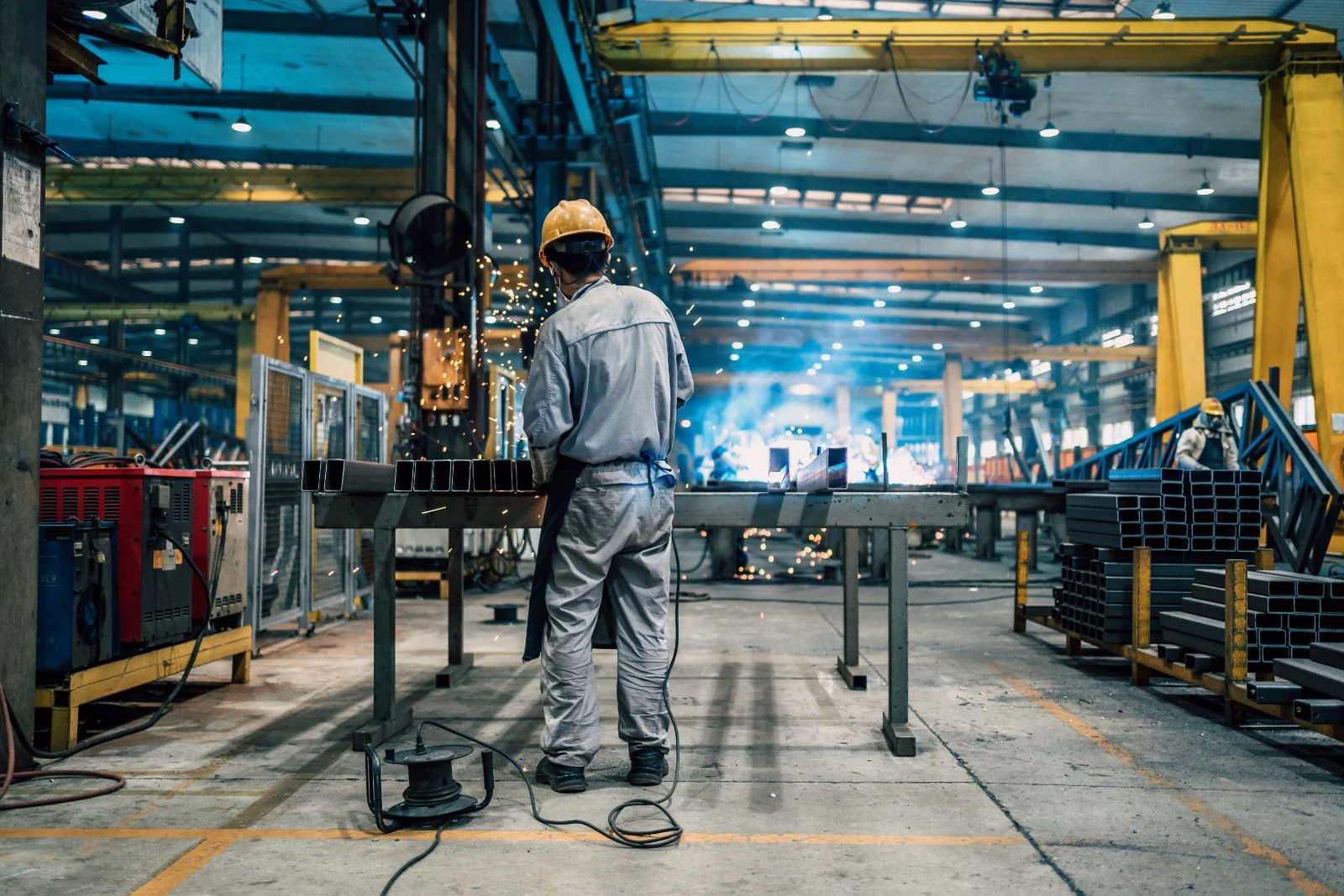
Once approved materials are ready, the production process begins with precision manufacturing. A modern led street lights factory uses advanced machinery and automated systems to ensure accuracy during cutting, molding, and assembly. Automation reduces human error and helps maintain uniform quality across large production volumes. Each step follows defined work instructions so every unit is built the same way.
Assembly teams are trained to follow strict procedures, especially when handling sensitive components like LED modules and power drivers. Proper soldering, secure wiring, and correct sealing are essential for long-term performance. Quality supervisors monitor the assembly line to ensure all steps meet internal standards and international guidelines. This structured process ensures durability, efficiency, and consistent light output.
Optical Performance and Lighting Consistency Testing
Light quality is one of the most important factors in street lighting. A professional led street lights factory conducts detailed optical testing to measure brightness, beam angle, and light distribution. These tests ensure the lights provide clear visibility on roads while reducing glare for drivers and pedestrians. Uniform lighting also helps improve safety and visual comfort in urban and highway environments.
Factories use specialized testing equipment to simulate real installation conditions. This allows engineers to adjust optics and lenses for better performance. By testing every model design and sampling finished products, manufacturers confirm that lighting meets project requirements and energy efficiency targets. This focus on performance highlights technical expertise and practical experience.
Electrical Safety and Reliability Checks
Electrical safety is critical for outdoor lighting systems exposed to rain, heat, and power fluctuations. A trusted led street lights factory performs multiple electrical tests to ensure reliability. These include surge protection testing, insulation resistance checks, and driver performance evaluations. Such testing helps prevent failures caused by voltage spikes or unstable power supplies.
Factories also test products under continuous operation to identify potential weaknesses. Long-hour aging tests reveal how components behave over time, ensuring stable performance throughout the product’s lifespan. These steps show responsibility and commitment to safety, which strengthens buyer confidence and supports long-term trust.
Environmental and Durability Testing
Street lights must survive harsh outdoor environments, so durability testing is a key quality standard. A professional led street lights factory conducts waterproof, dustproof, and temperature resistance tests to confirm product strength. These tests simulate rainstorms, extreme heat, and cold climates to ensure lights function reliably year-round.
Salt spray testing and vibration tests are also common for projects near coastal areas or busy roads. By pushing products beyond normal operating conditions, manufacturers ensure their lighting solutions can handle real-world challenges. This hands-on testing reflects real experience and deep understanding of outdoor lighting demands.
Final Inspection, Certification, and Continuous Improvement
Before shipment, every product goes through final inspection. In a professional led street lights factory, inspectors check appearance, labeling, packaging, and performance. Only products that pass all checks are approved for delivery. This final step ensures customers receive exactly what was promised, without defects or inconsistencies.
Quality control does not end after delivery. Leading manufacturers collect feedback from clients and use it to improve future designs. They also stay updated with global lighting standards and new technologies. Continuous improvement shows long-term commitment to excellence and builds strong industry authority.
Conclusion
A professional led street lights factory follows strict quality control standards to ensure safety, performance, and durability at every stage of production. From raw material inspection to advanced manufacturing, optical testing, electrical safety checks, and final inspection, each step reflects real expertise and responsibility. By maintaining these standards, manufacturers deliver reliable lighting solutions that meet modern infrastructure needs, build long-term trust, and support sustainable urban development.