It’s 8:47 AM, and you’re rushing through a crowded subway station, phone in one hand and coffee in the other, answering emails before your 9 o’clock meeting. Sound familiar? For busy professionals, smartphones aren’t just communication devices—they’re lifelines. And yet, two very real threats loom over every hectic workday: a dying battery and an accidental drop that could shatter your most essential tool.
The challenge isn’t choosing between protection and performance. It’s finding a setup that delivers both without compromise. A cracked screen mid-presentation or a dead phone during a critical call can derail an entire workday. That’s exactly where the right combination of protective phone cases and dual port PD fast chargers becomes a game-changer for professionals on the move.
This article explores how pairing durable, well-designed phone cases with the efficiency of dual port PD fast chargers creates a practical, productivity-boosting solution. Whether you commute daily, travel for work, or simply need your devices ready at all times, we’ll walk through everything you need to build a setup that keeps your smartphone protected and fully charged—no matter what the day throws at you.
The Critical Need for Protection: Phone Cases for Busy Professionals
Your smartphone hits the ground more often than you’d like to admit. Between rushing through airport terminals, juggling devices during back-to-back meetings, and fumbling for your phone while managing bags on a crowded train, drops aren’t a question of if—they’re a question of when. For professionals whose entire workflow runs through their smartphone, a cracked screen or damaged camera isn’t just inconvenient; it’s a direct hit to productivity. The right phone case transforms your device from a fragile liability into a reliable work tool that can keep up with your pace.
Beyond sheer drop protection, professionals need cases that address real daily friction points. A case that adds too much bulk makes one-handed use awkward during calls. One that doesn’t provide adequate grip becomes a problem when you’re carrying documents and your phone simultaneously. The best cases strike a balance—slim enough to slide into a jacket pocket, grippy enough to stay secure during extended use, and tough enough to absorb the inevitable impact. Two categories consistently meet these demands: transparent cases that preserve your phone’s original aesthetic, and military-grade cases engineered for maximum durability under punishing conditions.
Transparent Cases: Style Meets Visibility
Many professionals invest in premium smartphones partly for their design, and covering that with an opaque case feels like a step backward. Transparent cases solve this elegantly—they showcase the phone’s original color and finish while adding a meaningful layer of protection. Modern clear cases are typically made from polycarbonate backs paired with flexible TPU bumpers, a combination that absorbs shock without yellowing quickly or adding unnecessary thickness. Brands like TORRAS have refined this construction further, engineering slim transparent cases with reinforced corners that maintain clarity over time without compromising the slim profile. The raised edges around the screen and camera provide just enough buffer to prevent contact damage during face-down placements. For professionals who care about presenting a polished image, a transparent case keeps the device looking sharp without sacrificing protection.
Military-Grade Protection: Durability for Demanding Lifestyles
Military-grade protection refers to cases tested against MIL-STD-810G standards—a set of U.S. Department of Defense protocols that evaluate equipment performance under stress conditions including drops from specific heights, temperature extremes, and vibration. In practical terms, a case meeting these standards can typically withstand drops of four feet or more onto hard surfaces. For professionals working in field environments, construction sites, or simply navigating high-traffic urban settings, this level of assurance matters. These cases often incorporate multi-layer construction—a rigid outer shell combined with an inner shock-absorbing liner—to distribute impact force rather than concentrating it on one vulnerable point. They’re built for people who can’t afford to baby their devices.
Understanding Dual Port PD Fast Chargers: Powering Your Productivity
Time is the one resource professionals can’t recover. Every minute spent waiting for a phone to charge—or worse, hunting for an open outlet to charge two devices separately—is a minute pulled away from actual work. Dual port PD fast chargers address this directly by combining Power Delivery technology with the convenience of charging two devices simultaneously from a single, compact unit. Compared to a standard 5W charger that might take two hours to fully charge a modern smartphone, a dual port PD charger can bring that same phone to 50% in roughly 30 minutes. That’s not a marginal improvement—it’s a fundamental shift in how you manage power throughout the day.
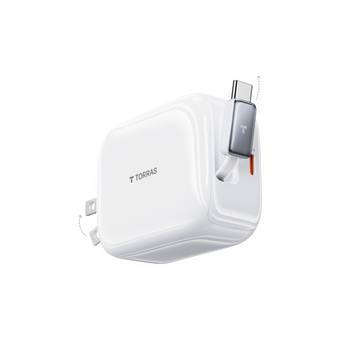
The practical advantages compound quickly for professionals managing multiple devices. A single dual port PD charger on your desk can keep your smartphone and wireless earbuds topped up during a lunch break, or restore your phone and tablet simultaneously before an afternoon of back-to-back meetings. You’re not choosing which device gets power first—both get it, fast. This also means fewer chargers to pack when traveling, fewer outlets to locate in hotel rooms or airport lounges, and fewer cables tangled in your bag. The consolidation alone reduces daily friction in ways that add up across a full work week.
Standard chargers operate at fixed, low wattages and lack the communication protocol that allows the charger and device to negotiate optimal power delivery. Dual port PD fast chargers eliminate this limitation entirely.
How PD Technology Works for Faster Charging
Power Delivery is a USB charging standard that enables dynamic communication between the charger and the connected device. Rather than delivering a fixed voltage, a PD charger negotiates with your smartphone in real time, adjusting voltage and current to match exactly what the device can safely accept at that moment. This intelligent handshake allows compatible smartphones—including recent iPhone and Android flagships—to charge at significantly higher wattages than conventional chargers permit. The result is faster energy transfer without overloading the battery, making PD technology both efficient and safe for daily high-frequency charging cycles that professionals depend on. TORRAS’s dual port PD chargers apply this same negotiation protocol across both ports simultaneously, so neither connected device is shortchanged on speed.
Synergizing Protection and Charging: Solutions for Smartphone Compatibility
Choosing a great phone case and a powerful dual port PD fast charger independently is straightforward enough. Making them work seamlessly together is where many professionals run into friction. The most common issue is surprisingly simple: a case with thick sidewalls or a recessed charging port can make it difficult to seat a USB-C cable properly, especially if the cable has a larger connector housing. This isn’t a dealbreaker, but it does require attention during selection. The goal is a setup where you can plug in and charge without removing your case—because pulling your phone out of its case every time you charge defeats the purpose of having one.
Smartphone compatibility extends beyond just the physical fit. Not every PD charger delivers the same wattage to every device, and not every smartphone supports the same PD profile. Recent iPhones, Samsung Galaxy flagships, and Google Pixel devices all support USB Power Delivery, but at different maximum wattages. A dual port PD charger with at least one high-wattage port—typically 25W to 30W or above—covers most modern flagship smartphones without issue. When both ports are in use simultaneously, many chargers distribute power intelligently between them, so understanding your charger’s power-sharing behavior helps you prioritize which device plugs into which port during a time-sensitive charge.
Heat management is another practical consideration where cases and chargers intersect. Fast charging generates heat, and certain case materials trap that heat more than others. Slim transparent cases and well-ventilated military-grade designs generally allow adequate airflow during charging cycles. If you notice your phone running unusually warm while charging inside a case, that’s a signal to either remove the case temporarily or reconsider the case material. Most modern smartphones have built-in thermal throttling that reduces charging speed when temperatures rise, so managing heat isn’t just about comfort—it directly affects how quickly your device reaches a full charge.
Ensuring Seamless Integration: Case and Charger Pairing Tips
Start by checking port accessibility before committing to any case. The charging port cutout should be wide enough to accommodate a standard USB-C cable connector without forcing the plug at an angle. Slim design cases with precise cutouts—rather than oversized openings—typically offer the best balance of protection and clean cable fit. Next, verify that your dual port PD charger’s cable is compatible with your phone’s charging standard; USB-C to USB-C cables are now standard for Android flagships, while iPhones from the 15 series onward also use USB-C. Finally, during the first few charging sessions with your new setup, monitor device temperature. If the phone stays comfortably warm rather than hot, your case and charger are working together efficiently. Keeping cables organized with a short 1-meter cable at your desk reduces strain on the port and maintains a tidy workspace—a small detail that pays off during long workdays.
Step-by-Step Guide to Building Your Protection and Charging Setup
Building a reliable protection and charging setup isn’t about buying the most expensive products—it’s about making deliberate choices that match how you actually use your phone throughout the day. Follow these five steps to create a setup that genuinely works for your professional life.
Step 1: Assess your daily usage patterns and protection needs. Before selecting any product, spend a day noting when and where your phone is most at risk. Do you commute on public transit, frequently move between outdoor and indoor environments, or work in physically demanding settings? Someone who commutes by train and works in an office has different needs than a field technician or a traveling sales rep. Honest self-assessment here prevents you from over-engineering or under-protecting your setup.
Step 2: Choose between a transparent or military-grade case based on your lifestyle. If your work is primarily office-based and professional appearance matters, a slim transparent case delivers adequate protection with a polished look. If your day involves construction sites, frequent travel, or environments where your phone regularly faces serious impact risk, a military-grade case is the smarter investment. Comfortable grip should factor into both choices—look for cases with textured sides or slightly rubberized edges that prevent slipping during extended one-handed use.
Step 3: Select a dual port PD fast charger with appropriate wattage. Match the charger’s output to your most power-hungry device. For most modern flagship smartphones, a charger offering at least 25W on one port handles fast charging reliably. Verify that the second port also delivers meaningful wattage rather than a token 5W output, so both devices charge efficiently when connected simultaneously.
Step 4: Test compatibility with your smartphone before relying on the setup. Plug your USB-C cable into your phone while it’s inside the case. Confirm the connector seats fully without wobbling or angling. Then run a timed charge from a low battery percentage to verify your charger is delivering fast charging speeds—your phone’s display typically indicates when fast charging is active.
Step 5: Implement the setup and refine for optimal grip and charging speed. Position your desk charger where the cable reaches your phone without tension, keeping the port stress-free. During the first week, note whether your phone charges comfortably within its case or runs hot, and adjust accordingly.
Practical Implementation: Daily Routines and Maintenance
Integrating your setup into daily work life requires minimal adjustment once the right products are in place. Use lunch breaks and meeting transitions as natural charging windows—plugging in for even 20 to 30 minutes with a PD charger adds meaningful battery life before an afternoon of heavy use. Keep a short USB-C cable at your desk and a slightly longer one in your bag, so you’re never stretching awkwardly to reach an outlet. For case maintenance, wipe transparent cases weekly with a slightly damp microfiber cloth to prevent discoloration and remove oils that degrade grip over time. Military-grade cases benefit from occasional inspection of the inner liner—if the shock-absorbing material shows compression or cracking, it’s time to replace the case regardless of how intact the outer shell looks. For chargers, avoid coiling cables tightly around the unit during travel, as this stresses the cable near the connector and shortens its lifespan. These small habits extend the life of both your case and charger significantly.
Building a Smarter, More Resilient Smartphone Setup
For busy professionals, a smartphone isn’t just a device—it’s the hub of an entire working life. Protecting it from drops while keeping it charged throughout a demanding day aren’t separate problems requiring separate solutions. They’re two sides of the same challenge, and addressing them together is what separates a reactive approach from a genuinely productive one.
The combination of a well-chosen phone case and a dual port PD fast charger creates a setup that works as hard as you do. Whether you opt for a slim transparent case that keeps your phone looking sharp in client meetings or a military-grade option built to survive the roughest field conditions, pairing it with the speed and convenience of PD fast charging means you’re never caught with a dead battery or a damaged screen at the worst possible moment. The synergy between durable protection and intelligent charging technology isn’t just about convenience—it’s about removing friction from your day so you can focus on the work that actually matters.
Start with an honest look at how you use your phone, choose products that match your real lifestyle rather than an idealized one, and build habits that keep both your case and charger performing at their best. Small, deliberate choices compound into meaningful gains in productivity and device longevity over time. Your smartphone is too important to leave unprotected or underpowered—treat it accordingly.
