Introduction
One of the most thrilling experiences in life is when one comes across wild animals. It enables us to observe nature in its simplest form and this is something which makes us realise the fact that the world is much bigger and complex than our day-to-day lives may indicate. Every sighting has a tale, a point of contact with creatures that are not and will never be like us, creatures that live entirely different lives with no human interference. Not only do these experiences arouse curiosity, but also bring up respect of wildlife and the delicate ecosystems in which they live.
Close Encounters in Nature
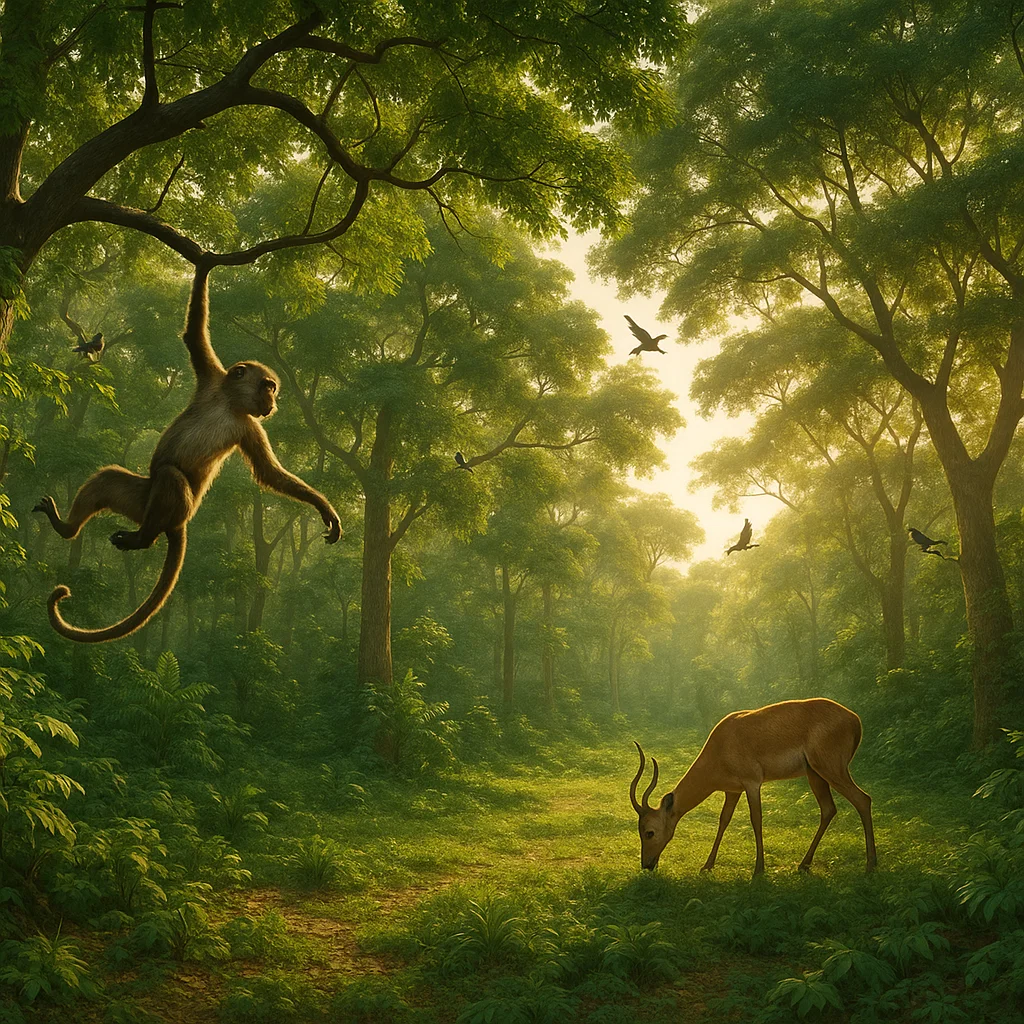
My best wildlife experience may well be a visit to one of the thick forest reserves in Nigeria. The smell of wet earth and new leaves was strong in the air and the sun passed through the trees, giving complex effects on the ground. As I silently wound my way along the path, I caught a glimpse of a group of monkeys swinging along using branch to branch. Their graceful gestures and mischievous talk made the forest alive. When I observed them, I knew that their social life was very complicated—everything they did and every call appeared to be planned almost like some kind of language.
Soon I came to a clearing where I found a family of antelopes grazing. At the sight of me they stood paralyzed, ears up, eyes open. It was a humiliating experience as I watched them behaving so wary and quite graceful. After a few minutes I sat down quietly, without inconveniencing them, seeking to enjoy as much as possible the privilege of watching such natural beauty.
Seeing the Wild: A View of Nature
Observing wildlife gives one a different view of life balance in the ecosystem. Each animal has its place—predators and prey, pollinators and scavengers all play a part in the web we are all a part of to maintain biodiversity. Another time, when I visited a river that was just nearby, I saw a bunch of crocodiles resting on the edge of the river; their eyes were hardly seen above the water. They did not seem to be moving, but I knew they were taking notice of all that happened to be around them, and they were a personification of the patience and survival instincts worked over millions of years.
My experiences in these areas allowed me to learn that wild animals cannot be merely observed but need to be studied in order to appreciate their behaviors and environments and be able to develop empathy and emphasise responsible care to the environment. Seeing animals in their natural life also dismantles the myths with the emphasis put on their cleverness, flexibility, and social complexity.
Unexpected Encounters
Wildlife sightseeing is not always premeditated. As I was hiking along a waterfall, I suddenly came across a nesting of colorful birds on the cliffs. Their twittering symphony, together with the thunder of falling water, was all magic.
I was amazed observing the variety of feathers, beaks, and the way they flew. These moments of spontaneity remind us that nature in every area has a surprise to those who take time to look.
Another notable experience was during dusk on a rural road as I was at a crossroad with a quiet fox crossing a field. The shyness of its smooth body danced with accuracy and intentionality and faded into the shadows, near to being a specter. This brief glimpse gave me a feeling of wonder and the remembrance of the wild that lies only slightly off mankind.
Lessons Learned in the Wild
All the experiences with wild animals teach patience, observation, and humility. I also got to know that being quiet, observing limits, and noticing my environment increased my chances of having significant wildlife encounters. In addition, these experiences help develop a strong admiration of biodiversity and the necessity to preserve habitats against human invasion.
Seeing animals in nature also makes one appreciate the unity of life. There is a balance in the ecosystem, with predators depending on prey, birds disseminating seeds, and insects pollinating flowers. These interactions are special and interesting in the sense that the onlookers can see the responsibility that human beings have in maintaining the natural environments for coming generations.
Wildlife Viewing: The Emotional Effect
The experience of wildlife can be a combination of both awe and excitement and reflection. Having animals in the wild helps us to remember the beauty and strength of life. I tend to come out of such experiences fully inspired, reflective, and more responsive to the natural rhythm of the world. These emotions not only help to enhance individual experiences but also inspire conservation activities, because they help establish a personal relationship with the living surrounding world.
Conclusion
Wild animals are seen not just as a recreational activity but as an experience of learning life outside the human spheres. Even the way monkeys swing in the forest, or crocodiles lie by a river, every experience brings lessons of observation, respect, and empathy. These events prompt us to appreciate the need to conserve wildlife and our contribution to the preservation of natural resources on the planet. When we preserve and care about habitats, we help future generations have the opportunity to experience the miracle of wildlife themselves.
Ultimately, all that we do is live with greater recognition of the natural world and it makes us remember that humans are just a single component of the large, beautiful web of life. Wild animals are a discovery of curiosity, learning, and deep respect towards nature.