Overview of the NYC Mayor’s Office
The NYC Mayor serves as the chief executive of New York City, the most populous city in the United States and one of the most influential global capitals. We oversee a vast municipal government responsible for public safety, economic development, education, transportation, housing, healthcare, and environmental sustainability. The mayor’s decisions shape not only daily life for millions of residents but also national policy conversations and global urban trends.
New York City operates under a strong mayor–council system, granting the mayor extensive executive authority unmatched by most other U.S. cities.
Constitutional Authority and Executive Power
Chief Executive of New York City
The NYC Mayor holds broad executive power, including:
- Direct control over city agencies and departments
- Appointment and removal of agency commissioners
- Authority to propose the city’s annual budget
- Power to sign or veto legislation passed by the City Council
This structure ensures centralized leadership capable of responding quickly to emergencies, economic shifts, and social challenges.
Oversight of City Agencies
We manage more than 60 agencies, including:
- New York Police Department (NYPD)
- Fire Department of New York (FDNY)
- Department of Education (DOE)
- Department of Transportation (DOT)
- Department of Housing Preservation and Development (HPD)
Each agency executes mayoral priorities through citywide policy implementation.
Budgetary Control and Fiscal Leadership
Managing One of the World’s Largest Municipal Budgets
The NYC Mayor proposes and administers a multi-billion-dollar annual budget, funding essential services such as:
- Public education for over one million students
- Mass transit infrastructure and street maintenance
- Public housing and homelessness prevention
- Healthcare and social services
Budget negotiations with the City Council determine funding priorities and long-term capital planning.
Economic Stewardship
We guide economic development initiatives that influence:
- Job creation across diverse industries
- Small business growth and entrepreneurship
- Global investment and tourism
- Real estate development and zoning reforms
New York City’s economy directly affects state and national markets.
Public Safety and Law Enforcement Leadership
Commanding the NYPD and FDNY
The NYC Mayor appoints the Police Commissioner and Fire Commissioner, setting citywide public safety strategy. Responsibilities include:
- Crime reduction and prevention
- Emergency preparedness and disaster response
- Counterterrorism coordination
- Fire prevention and emergency medical services
Public safety leadership remains one of the most visible and scrutinized aspects of the mayoralty.
Legislative Role and Policy Direction
Relationship with the City Council
The NYC Mayor works closely with the New York City Council, which drafts and passes local laws. The mayor can:
- Sign legislation into law
- Veto bills, subject to Council override
- Introduce policy initiatives through mayoral agencies
This dynamic defines the balance between executive authority and legislative oversight.
Housing, Infrastructure, and Urban Planning
Addressing Housing Affordability
We prioritize housing policy through:
- Affordable housing construction and preservation
- Zoning and land-use reform
- Tenant protections and homelessness services
Housing strategy directly affects economic mobility and neighborhood stability.
Transportation and Infrastructure
The NYC Mayor plays a critical role in shaping:
- Street safety and traffic management
- Public transit advocacy and coordination
- Climate-resilient infrastructure investments
Urban planning decisions influence the city’s livability and sustainability.
Education and Social Services Leadership
Oversight of Public Education
The NYC Mayor maintains significant authority over the public school system, including:
- Appointing education leadership
- Setting academic and operational priorities
- Managing school funding and capital projects
Education policy impacts long-term workforce development and equity.
Social Equity and Public Health
We advance citywide initiatives focused on:
- Healthcare access and public hospitals
- Mental health services
- Food security and poverty reduction
The mayor’s agenda often reflects broader social justice goals.
Global Influence and National Visibility
The NYC Mayor on the World Stage
As leader of a global city, the NYC Mayor engages with:
- International governments and organizations
- Federal and state policymakers
- Global economic and climate forums
The office carries symbolic and practical influence far beyond city boundaries.
Term Length, Elections, and Accountability
Election Cycle and Term Limits
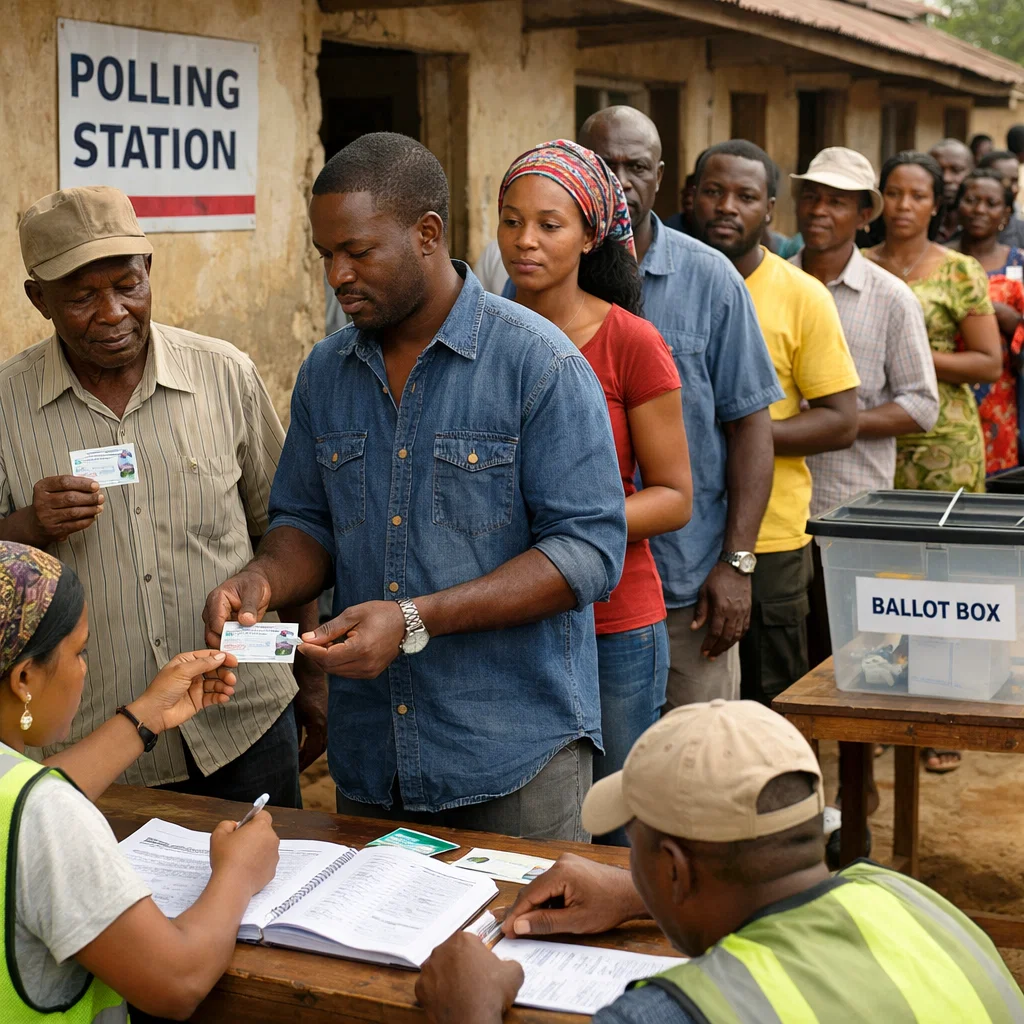
The NYC Mayor is elected citywide to a four-year term and is limited to two consecutive terms. Regular elections ensure democratic accountability and public oversight.
Governance Structure Diagram
Why the NYC Mayor Matters
The NYC Mayor wields unmatched influence in American municipal governance. Through executive authority, fiscal leadership, and global engagement, we shape the direction of New York City and contribute to national and international policy discourse. The office remains a defining force in urban leadership, economic innovation, and democratic governance.