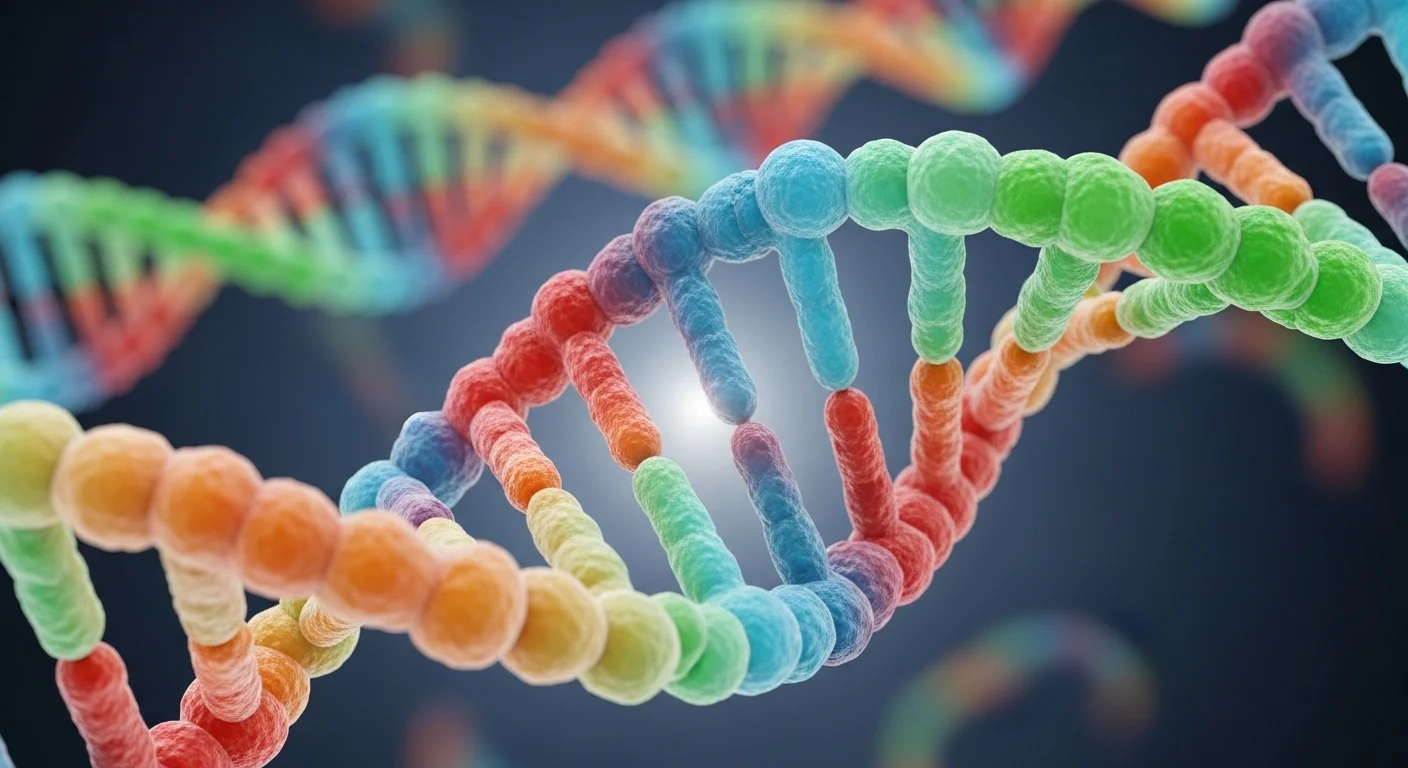
Nukleotidy are tiny biological molecules, yet they play one of the biggest roles in life. Every cell in your body depends on them for energy, growth, repair, and genetic storage. Without nukleotidy, DNA could not exist, muscles would not move, and your body could not heal.
Today, scientists, students, and health experts search for simple explanations about nukleotidy because they connect biology, nutrition, and medical science together. This guide will help you understand them in easy language while also giving deep knowledge for better learning and SEO visibility using tools like Ahrefs and SEMrush keyword strategies.
Let’s explore how these powerful molecules shape life from the inside out.
What Are Nukleotidy
Simple definition
Nukleotidy are small organic compounds that act as building blocks of genetic material. They form DNA and RNA, which store and transfer information inside living cells.
Each nucleotide has three parts:
- Sugar molecule
- Phosphate group
- Nitrogen base
When combined, they create long chains that hold your genetic code.
Why they matter
Without nukleotidy:
- Cells cannot divide
- Energy cannot transfer
- DNA cannot replicate
- Life cannot continue
This makes them essential for every living organism.
Structure of Nukleotidy in Cells
Core components
Every nucleotide contains:
Sugar base
Either ribose or deoxyribose. This determines whether the molecule forms RNA or DNA.
Phosphate group
Connects molecules together to create long strands.
Nitrogen base
Carries genetic information. These include adenine, cytosine, guanine, thymine, and uracil.
How structure creates function
The arrangement of these parts allows nucleotides to link like chains. This chain becomes DNA or RNA, which stores instructions for your body.
Structure directly controls biological function.
Types of Nukleotidy Found in Nature
DNA nucleotides
They help create stable genetic storage. These include bases like adenine and thymine.
RNA nucleotides
They support protein production. RNA is more flexible and works quickly inside cells.
Energy nucleotides
Some forms such as ATP store and release energy for movement, metabolism, and growth.
Different types serve different life purposes.
Biological Functions of Nukleotidy
Genetic information storage
DNA holds all instructions needed to build and maintain the body. These instructions are made from nucleotide sequences.
Energy transfer
ATP acts like cellular fuel. It provides energy for muscle movement, digestion, and thinking.
Cell repair and growth
When tissues are damaged, nucleotides help create new cells. This supports healing and recovery.
Protein synthesis
RNA carries information from DNA to produce proteins. Proteins build muscles, hormones, and enzymes.
Without nukleotidy, none of these processes could happen.
Health Benefits of Nukleotidy
Improved immunity
They help white blood cells multiply faster. This strengthens your immune defense.
Faster recovery
After illness or exercise, nucleotides assist tissue repair and regeneration.
Better digestion
They support intestinal lining growth, improving nutrient absorption.
Brain function
RNA processes help nerve signaling and cognitive performance.
For these reasons, many supplements include nucleotide sources.
Food Sources Rich in Nukleotidy
Natural foods
You can get nucleotides from:
- Fish
- Meat
- Mushrooms
- Beans
- Spinach
- Milk
Why food sources matter
Although the body produces them naturally, extra intake during stress or illness may improve recovery speed.
Balanced nutrition supports healthy cell activity.
Nukleotidy and DNA Formation
How DNA is built
DNA forms when nucleotides connect in long double strands. These strands twist into a helix shape.
Genetic coding
The order of bases creates genetic instructions. Even small changes can affect traits like eye color or health risks.
Role in heredity
Parents pass genetic information through nucleotide sequences. This explains family similarities.
Understanding nukleotidy helps explain evolution and inheritance.
Nukleotidy in Modern Science and Medicine
Medical research
Scientists study nucleotides to design vaccines and gene therapies.
Cancer treatment
Some drugs target nucleotide production to slow cancer cell growth.
Biotechnology
DNA testing, cloning, and genetic engineering all depend on nucleotide chemistry.
Modern medicine relies heavily on their structure and function.
Nukleotidy and Sports Performance
Energy production
ATP fuels muscles during workouts. Higher availability supports endurance.
Muscle repair
After exercise, nucleotide synthesis helps rebuild damaged tissues.
Recovery speed
Athletes often recover faster with proper nutrition supporting nucleotide levels.
They indirectly improve strength and stamina.
Difference Between Nukleotidy and Nucleosides
Key distinction
Nucleosides contain only sugar and base. Nukleotidy also include a phosphate group.
Functional importance
Phosphate groups allow energy transfer and DNA chain formation.
This small difference creates big biological changes.
How Cells Produce Nukleotidy Naturally
De novo synthesis
Cells build nucleotides from small molecules step by step.
Salvage pathway
Recycling old parts saves energy and resources.
Both systems keep supply constant for survival.
SEO Strategy for Scientific Content Visibility
Smart keyword placement
To rank globally, use educational terms like:
- nucleotide function
- DNA building blocks
- cellular energy molecules
- genetic structure basics
Traffic optimization tools
Platforms like Ahrefs and SEMrush help find high traffic biology keywords and search intent. Proper headings and readable content improve ranking.
Quality information plus smart optimization increases visibility across countries.
Common Myths About Nukleotidy
They only exist in DNA
False. They also carry energy and regulate metabolism.
Supplements are always necessary
Not true. Most people get enough from food.
They are harmful chemicals
Incorrect. They are natural components of life.
Clearing myths helps better understanding.
Conclusion
Nukleotidy may seem small, but they are the foundation of life itself. From storing genetic information to producing energy and supporting healing, they control almost every biological process in the human body. Their importance extends beyond basic biology into medicine, nutrition, and modern research. By understanding how they work, you gain insight into health, growth, and disease prevention. Whether through food, supplements, or cellular synthesis, maintaining proper levels supports strong immunity, faster recovery, and better performance. Learning about these molecules empowers smarter health choices and deeper scientific awareness for everyday life.