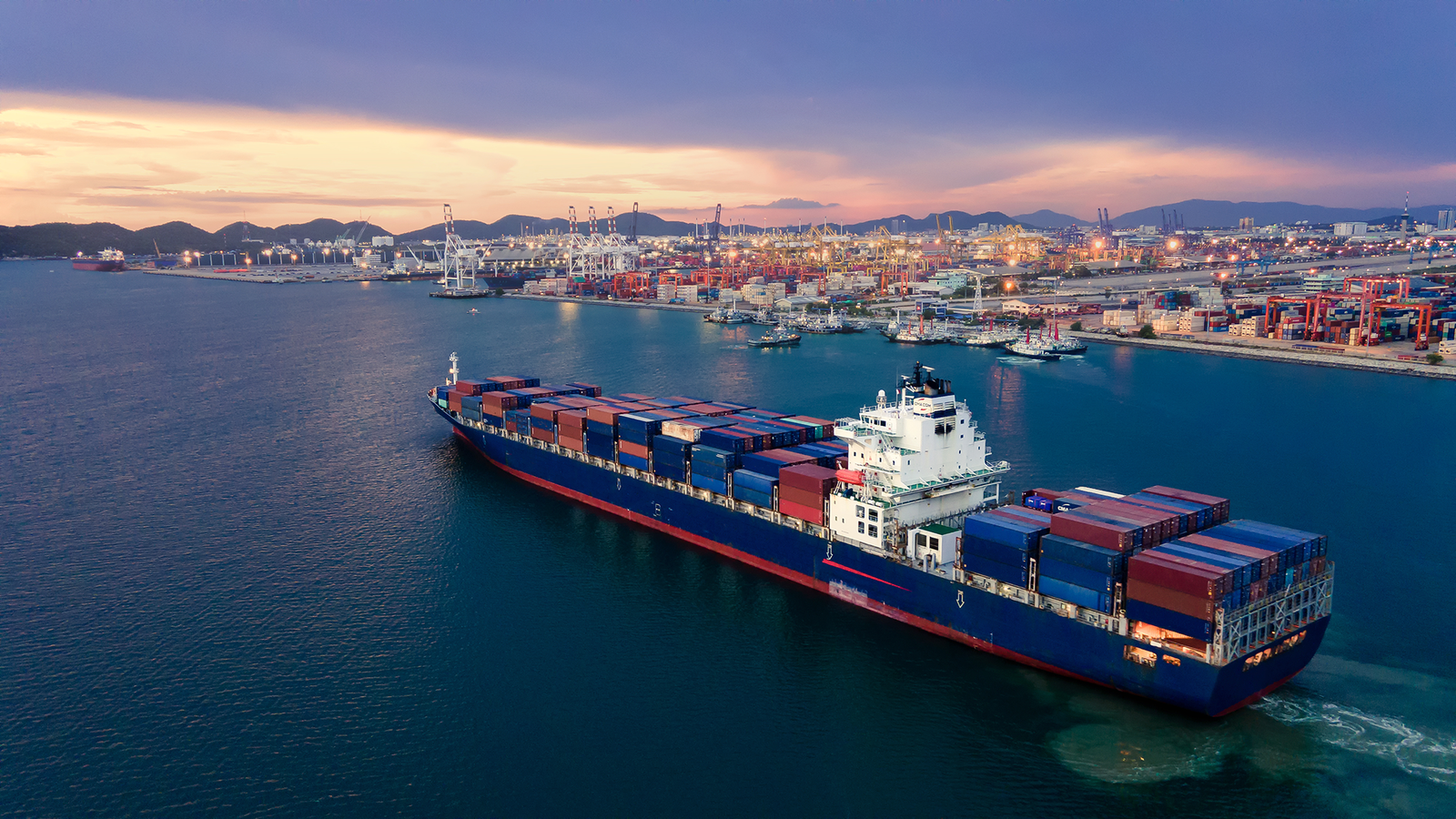
The maritime industry is undergoing a period of rapid change, influenced by global trade shifts, technological advancement, and evolving regulatory frameworks. In this dynamic landscape, the role of port agencies has become more critical—and more complex—than ever before. Once considered merely intermediaries handling paperwork and port formalities, modern port agencies now function as strategic partners that help shipping companies optimize port calls, manage compliance, and maintain operational continuity.
As international trade recovers from global disruptions and shipping lanes evolve, port agencies are expected to do much more than facilitate ship arrivals and departures. They are now on the front lines of maritime logistics, bridging the gap between shipowners, port authorities, service providers, and local regulatory bodies.
A New Era of Port Operations
Traditionally, the responsibilities of a port agent were largely administrative: coordinating berth bookings, customs clearance, crew changes, and bunker deliveries. But today’s shipping environment demands agility and precision. Port delays are costly, fuel prices are volatile, and regulations—especially those related to safety and environmental impact—are tightening.
This has shifted the expectations placed on port agencies. It’s no longer enough to just complete documentation and arrange tugboats. Shipowners now look for agencies that can offer real-time updates, cost transparency, and end-to-end coordination of port calls. In short, they’re seeking comprehensive port agency solutions that remove friction from port operations and minimize downtime.
Digitalization: A Double-Edged Sword
One of the most significant changes affecting port agencies is the rise of digital tools. E-port platforms, automated customs systems, and cloud-based communication channels have streamlined many tasks. At the same time, they’ve raised the bar: shipping clients now expect faster responses, more accurate reporting, and round-the-clock availability.
Agencies that have embraced digitalization are setting new standards in efficiency. Real-time tracking systems, automated invoicing, and digital pre-arrival documentation make it easier to stay compliant and reduce turnaround times. However, these technologies also require investment and training—particularly in regions where port infrastructure is still catching up.
Moreover, as more data is shared across platforms, cybersecurity becomes a key concern. Port agencies must not only manage information quickly but also ensure that it remains secure and private.
Crew Management: Beyond the Basics
Another area where port agencies play a vital role is crew management. This includes not just the coordination of crew changes, visas, and local transport, but also understanding cultural and legal expectations in different countries.
Take the UAE, for example. With its prominent ports in Dubai, Abu Dhabi, and Fujairah, the country is a key stop for many global shipping lines. Crew welfare is taken seriously here, and agencies often assist with everything from shore leave logistics to sourcing marine crew attire in UAE, ensuring that crew members comply with local standards while also staying comfortable and safe on duty.
This attention to detail in managing crew welfare reflects broader expectations. Agencies are no longer seen as logistics coordinators alone—they’re viewed as caretakers of the vessel’s overall well-being during its time in port.
Environmental and Compliance Pressures
As the International Maritime Organization (IMO) and local port authorities roll out stricter rules on emissions, waste disposal, and fuel usage, compliance is becoming more complex. Ships now face varying environmental requirements depending on the port they call at—even within the same region.
Port agencies are increasingly tasked with helping vessels navigate this regulatory maze. They provide up-to-date guidance on local rules, assist with inspections, and liaise with authorities to avoid delays or fines. Agencies with environmental know-how are especially valued at “green ports” where sustainability practices are under scrutiny.
Human Expertise Still Matters
Despite all the digital tools and automation, human expertise remains at the heart of effective port agency services. Local knowledge—understanding how things actually work on the ground, knowing which contacts can expedite procedures, and foreseeing potential bottlenecks—can’t be easily replaced by software.
In busy or complex ports, this expertise can mean the difference between a smooth port call and costly delays. A seasoned agent can anticipate paperwork issues, mobilize services quickly, and offer contingency plans when schedules shift.
Relationships also matter. Trust built over years between agents, port officials, customs officers, and vendors plays a significant role in how efficiently services are delivered.
Looking Ahead
The maritime industry is expected to continue evolving rapidly, with a strong focus on sustainability, automation, and resilience. For port agencies, this means adapting constantly—staying informed, investing in people and technology, and expanding their service portfolios.
The most successful agencies will be those that maintain a balance between innovation and traditional expertise. They’ll embrace tools that enhance visibility and reduce manual work, while still preserving the local insights and personal touch that keep operations running smoothly.
Shipping companies, too, must shift how they view port agency services—from a cost to be minimized to a strategic partnership that adds real value. In a world where every minute counts and regulations keep changing, the right port agent can be a shipowner’s strongest ally.
Final Thoughts
Port agencies are no longer in the background—they’re essential players in a high-stakes global industry. Whether it’s streamlining cargo operations, supporting crew welfare, or helping vessels meet environmental standards, the modern port agent is part advisor, part technician, and part problem-solver.
As the industry becomes more complex, those who can offer tailored, transparent, and reliable services will lead the way. And for those navigating unfamiliar waters, aligning with the right port agency could be the smartest move they make.