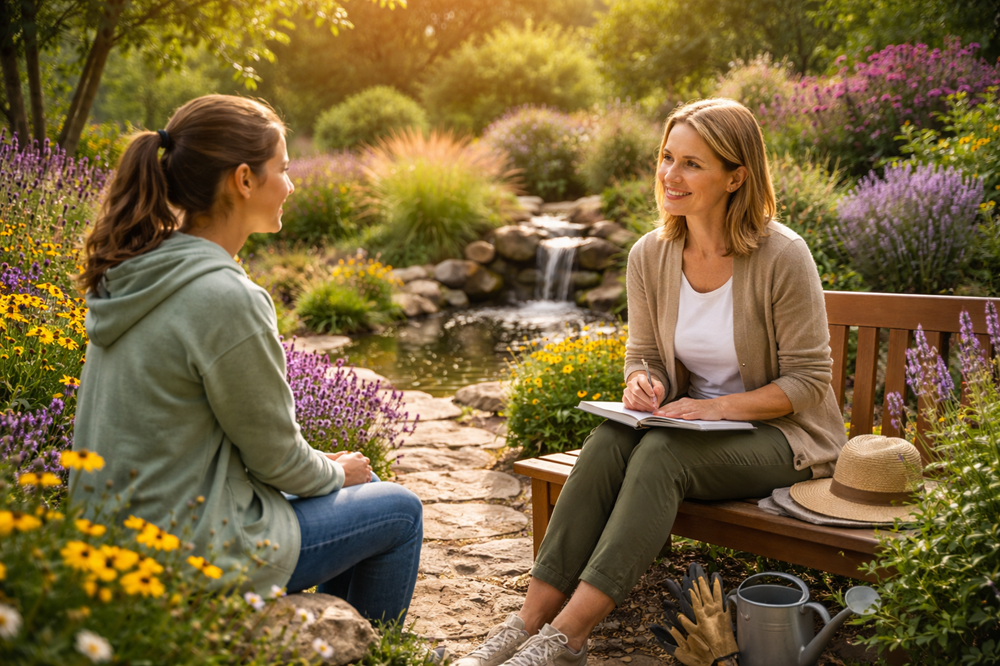
In a world where stress, digital overload, and fast‑paced routines dominate daily life, many people are turning to nature‑based therapy as a way to restore balance. Health gardens, also known as healing gardens, have become increasingly popular in hospitals, community centers, and private homes. These thoughtfully designed outdoor spaces offer more than just aesthetic beauty. They provide emotional, psychological, and even physical benefits that support overall well‑being. As research continues to highlight the connection between nature and mental health, health gardens are emerging as a powerful tool for healing and self‑care.
Creating a Sense of Calm and Emotional Relief
One of the most immediate benefits of spending time in a health garden is the sense of calm it provides. Natural environments have a unique ability to reduce stress by lowering cortisol levels and encouraging relaxation. The gentle rustling of leaves, the scent of flowers, and the presence of greenery create a soothing atmosphere that helps quiet the mind.
For individuals dealing with anxiety, grief, or emotional fatigue, even a short visit to a health garden can offer relief. The peaceful environment encourages mindfulness, allowing people to slow down, breathe deeply, and reconnect with their surroundings. This emotional reset can be especially valuable for those who struggle to find moments of stillness in their daily lives.
Encouraging Mindfulness and Present‑Moment Awareness
Health gardens naturally promote mindfulness, a practice that has been shown to improve emotional resilience and reduce stress. The sensory experiences found in these spaces invite people to focus on the present moment. Whether it is observing the intricate patterns of a leaf, listening to birdsong, or feeling the texture of soil, these small interactions help anchor attention and quiet mental chatter.
Mindfulness in nature can also enhance emotional clarity. When individuals step away from screens and responsibilities, they create space to process feelings and reflect without distraction. This can lead to improved mood, better decision‑making, and a greater sense of inner peace.
Supporting Social Connection and Community Healing
Health gardens are not only beneficial for individuals; they also foster social connection. Many community gardens and therapeutic outdoor spaces are designed to bring people together. Shared activities such as planting, watering, or harvesting encourage collaboration and communication. These interactions can reduce feelings of isolation and strengthen a sense of belonging.
For people recovering from illness or coping with emotional challenges, participating in group gardening activities can be especially meaningful. The shared purpose and gentle physical activity create opportunities for bonding and mutual support. In healthcare settings, health gardens often serve as gathering spaces where patients, families, and caregivers can connect in a calming environment.
Boosting Confidence Through Hands‑On Engagement
Engaging with nature through gardening can also boost confidence and emotional well‑being. Watching plants grow and thrive as a result of your care provides a sense of accomplishment. This is particularly helpful for individuals who may feel overwhelmed or powerless in other areas of their lives.
Gardening activities can be tailored to different skill levels, making them accessible to people of all ages and abilities. Some individuals enjoy tending to flowers or herbs, while others explore more specialized projects. For example, those interested in growing edible or medicinal plants may experiment with tools like a mushroom growing kit, which offers a simple and rewarding way to cultivate fresh mushrooms at home. These hands‑on experiences reinforce a sense of capability and encourage continued engagement with nature.
Enhancing Emotional Recovery in Healthcare Settings
Many hospitals and rehabilitation centers now incorporate health gardens into their design because of their proven therapeutic benefits. Patients recovering from surgery, illness, or trauma often experience emotional distress alongside physical challenges. Access to a healing garden provides a peaceful retreat where they can relax, reflect, and regain a sense of control.
Studies have shown that exposure to nature can reduce pain perception, shorten recovery times, and improve overall patient satisfaction. For caregivers and medical staff, health gardens offer a much‑needed break from high‑stress environments, helping prevent burnout and supporting emotional resilience.
Conclusion
Health gardens offer a powerful blend of emotional, psychological, and social benefits that make them an invaluable part of nature‑based therapy. By creating spaces that promote calm, mindfulness, connection, and hands‑on engagement, these gardens support healing in ways that traditional indoor environments cannot. As more individuals and communities recognize the importance of nature in emotional well‑being, health gardens will continue to play a vital role in fostering balance, resilience, and overall wellness.