
When most people are aiming at enhancing their strength, endurance, and physical performance, they pay much attention to the intensity of training and the frequency of workouts. Nevertheless, recovery is one important aspect of fitness that is neglected. Recovery is an essential muscle development process since the body can only repair, rebuild and strengthen muscle tissue during rest and not during exercise.
When a person exercises, the muscles are stressed and this leads to the microscopic damages of muscle fibers. Although such stress is needed to develop, the body can only develop and become stronger when it is properly restored. The body cannot repair itself with enough rest and that is why it gets fatigued, performs poorly, and is prone to injuries.
It is imperative to learn that recovery aids muscle growth as it can enable individuals to develop balanced training programs that will facilitate long-term growth. Investigating how biologically it works, and which measures can be used to improve the recovery, we can understand why rest is as important as training is.
The Recovery Factor in Muscle Building
Recovery has a part to play in muscle building, which starts when a person is finished with a workout. Muscle fibers become stressed and torn during exercise. They are typical of the training process and are the stimulus of growth.
After the exercise process, the body starts having a repair process. The specialized cells repair the damaged muscular fibers, thus making them thicker and stronger than normal. This is a process called muscle adaptation which is necessary in enhancing strength and performance.
Recovery also enables the body to replenish balance in the body in the physiological systems. The level of hormones is restored, energy deposits are replenished, and inflammation is decreased. These transformations provide an ideal condition of muscle development and the general physical conditioning.
These processes cannot be complete without sufficient rest and this constrains progress and the probability of overtrain is likely. This explains the need to include rest in any fitness program.
Repair and Tissue Redevelopment of Muscle
Muscle repair and tissue regeneration is one of the most important things in recovery. Microscopic damage occurs in muscles when they are engaged in vigorous exercise. This injury causes an inflammatory event that initiates the body to start the healing process.
Protein synthesis is a factor that is important in muscle rebuilding. In the process, the protein in the diet is used to repair damaged fibers and strengthen the existing ones. With time, continuous patterns of loss and gain of muscle size and strength are observable as one undergoes recurrent cycles of damage and repair.
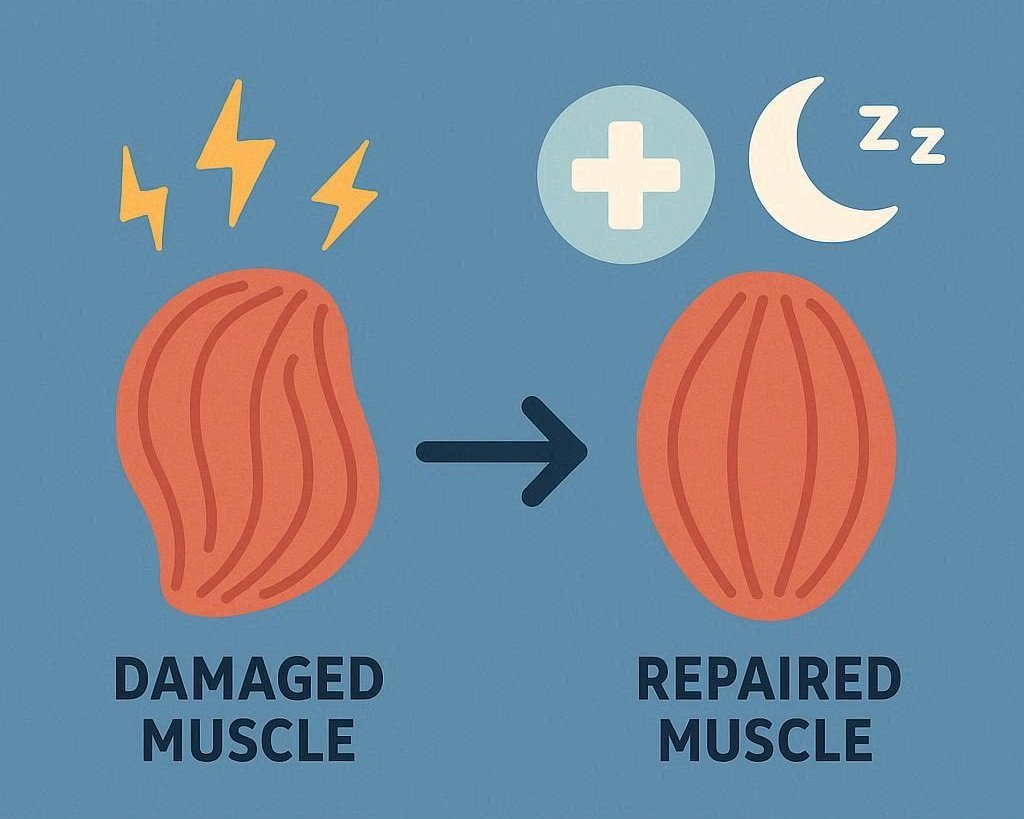
This is the period when the role of recovery in muscle development is particularly apparent since inadequate rest may interfere with protein synthesis and slow down the healing process. Muscles require sufficient time and resources, which are guaranteed by proper recovery.
Tendons and ligaments are also connective tissues that are also subject to recovering, besides the muscle fibers. It takes time to get used to the demands placed on these structures, thus insisting on rest.
Glycogen Restoration and Reconstitution of Energy
Regeneration of glycogen stores is another important aspect of recovery. An example of stored carbohydrate is glycogen that is stored in muscles and liver and is used as a major source of energy during an exercise.
Glycogen levels may be wiped out when one engages in stressful or long-term exercise. This burnout is involved in performance and fatigue. The aspect of recovery enables the body to replenish the glycogen deposits, such that the muscles can be provided with adequate energy to work out at other times.
The purpose of recovery in muscle building involves replenishment of such stores of energy and which is paramount in ensuring that training intensity is constant. The use of carbohydrates in the post exercise period enhances faster glycogen restoration and aids in general recovery.
A lack of sufficient glycogen replenishment can result in reduced stamina and reduced gains in fitness ambitions of an individual.
The Significance of Sleep in Muscles Recovery
One of the most influential tools of recovery is sleep. When one sleeps, the body experiences various physiological activities that aid in muscle growth and repair. During deep sleep, growth hormone is released and this hormone is critical in the repair of tissues.
The importance of recovery in muscle building is related very closely to the quality and length of sleep. Sleep deprivation may result in poor muscle recovery, loss of energy, and performance decreases. Poor sleep can cause chronic fatigue and predisposition to injury in the long term.

Sleep also promotes mental recovery in addition to physical benefits. It assists in the restoration of cognitive ability, better concentration and control of mood, which are significant towards sustaining motivation and steadfastness in training.
Setting a routine sleep system and a comfortable atmosphere can be of great benefit to recovery and performance in general.
The role of nutrition and its importance in the recovery process
The nutritional value is critical in enhancing the functions of recovery in muscle development. The body needs the nutrients after any exercise to heal the damaged tissues and replenish the energy stores. The proteins and carbohydrates are especially significant in this period.
Protein contains the building blocks of the muscle repair and growth. After exercise, the body needs to take in sufficient protein to stimulate the creation of proteins and hasten recovery. Carbohydrates, in its turn, will replenish the glycogen and energy sources, which will be used in the future exercise.
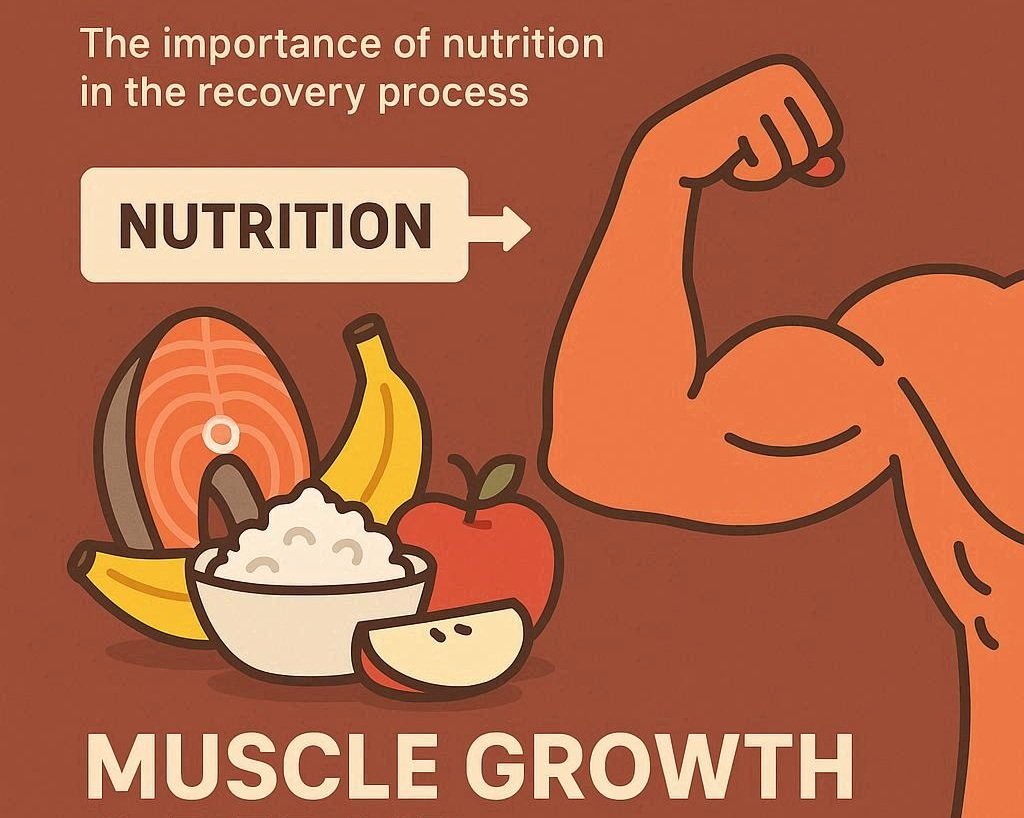
Water is also essential in the process of recovery. Water facilitates the movement of nutrients, body temperature and eliminates metabolism by-products in the body. Dehydration of even a mild dehydration level may cause deterioration of muscle performance and delaying the recovery process.
The balanced diet with all the necessary nutrients is the guarantee that the body will have the means, to restore itself, and to be in a good shape to perform at its best.
Active Recovery and its Advantages
Active recovery includes low-intensity exercises, which facilitate circulation and decision-making among muscles in order to alleviate the stiffness. Examples would be walking, light cycling or mild stretching. The exercises assist in the enhancement of blood circulation to muscle systems to provide oxygen and other nutrients to aid recovery.
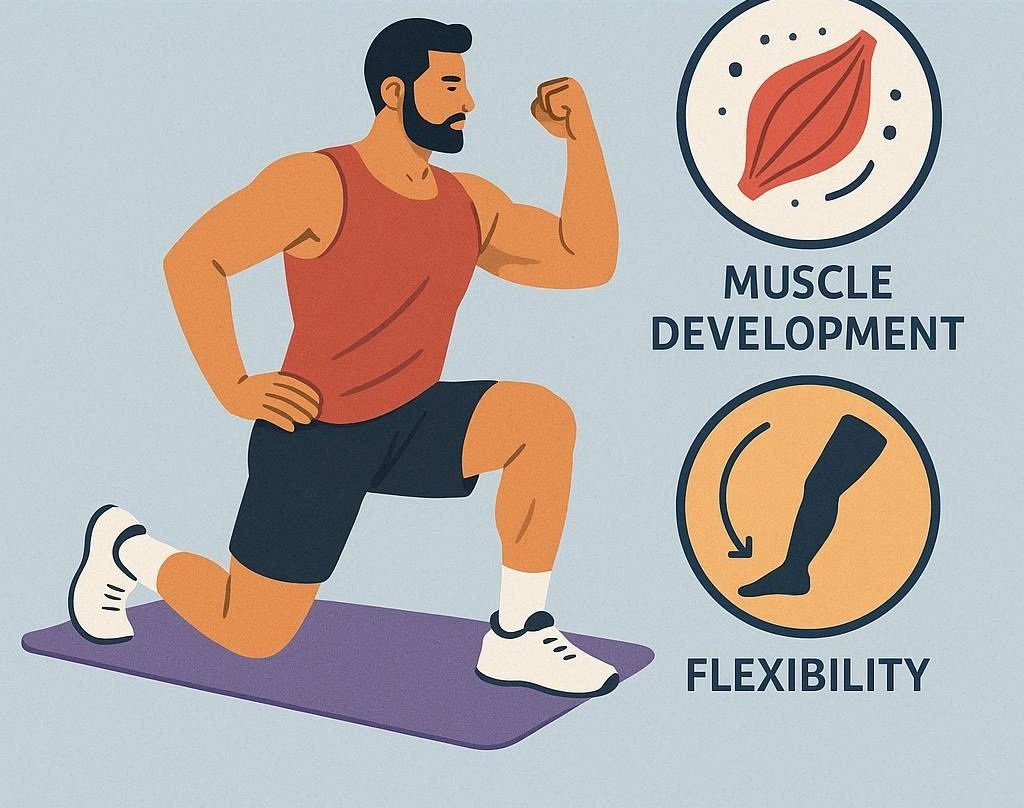
Active recovery is effective in complementing the role of recovery on muscle development since it is known to reduce muscle soreness and increase flexibility. Active recovery involves having the body at work without straining the muscles as opposed to complete rest.
Active recovery to support the role of the recovery in muscle development and flexibility.
Active recovery can be used as a part of a training routine to enhance mobility and minimise the chance of injury. It is also a means to remain in motion and also allows the body time to rest following the more vigorous exercises.
Prevention of Overtraining and Burnout
Overtraining is a condition that results when the body is overworked physically without taking enough rest. It may result in fatigue and reduced performance and the risk of injury may increase.
Knowledge of the importance of recovery in muscle building will enable to avoid overtraining due to the significance of rest. Overtraining can be indicated by the following signs: constant soreness, demotivation, and decreased strength or endurance.
Maintaining the right level of training and sufficient rest period is a way of ensuring that the body is able to adjust and become better with time. Rest days are to be considered an indispensable component of a training program and not a marker of the lack of activity.
Resting in the first place, one can afford the continuity of the progress and prevent the adverse consequences of overtraining.
Developing a Balanced Training Program
An exercise-focused training program combined with recovery is well organized to benefit the best results. Recovery is best applied to muscle development when it is part of a regular and balanced program.
The training programs must be filled with exercises of various muscle groups and sufficient time must be given to the body to rest. The use of high and low intensity exercises will be beneficial in avoiding over-straining of certain muscles.

Workouts also need to be planned as carefully as rest days and recovery strategies. The strategy makes sure that the body gets sufficient time to recover and acclimatise to it resulting in long-term performance enhancement.
To get more information about recovery and its significance, go to: role of recovery in muscle development.
Long-term effects of effective recovery
Recovery is not only beneficial in terms of muscle growth in the long term. With the help of supporting the role of recovery in muscle development, individuals can contribute to an increase of the general body health, decrease the risk of injury, and even the performance of different activities.
With proper recovery, there is improvement in the health of the joints, enhancement of body flexibility and the body resilience to physical strain. It also helps in mental health through the alleviation of stress and relaxation.
In the long term, people who have recovery as a priority will tend to have regular training sessions and attain their fitness targets. This moderate course of action will guarantee a sustainable development and success in the long run.
Conclusion
Recovery is very important in the fitness. Recovery is a critical part of muscle development in that it helps in a process of repairing muscle tissue, restoring energy stores, and aiding overall performance. Without a proper rest, the body is not able to adapt to the exercise requirements.
People can achieve the maximum results in training by having an idea of the biological processes involved in the recovery process and taking good measures in terms of correct nutrition, hydration, sleep and active recovery. The benefits of recovery are further optimized by avoiding overtraining as well as keeping the routine balanced.
Finally, recovery is not something that happens passively but it is an active and vital part of an exercising body. Understanding its significance enables the people to gain more intelligent training, eliminate the threat of injury, and gain strength and performance success over the long term.