Mobility is central to daily life, independence, and overall well being. For many adults living with physical disabilities, recovering from injury, or managing age related conditions, improving mobility requires a thoughtful blend of therapeutic techniques, supportive equipment, and personalized strategies. Advancements in rehabilitation science and adaptive technology have made it possible for adults to regain confidence, increase endurance, and participate more fully in daily activities. By exploring innovative tools, targeted exercise approaches, and holistic support systems, adults can make meaningful progress toward greater independence and improved quality of life.
Understanding the Foundations of Functional Mobility
Functional mobility refers to a person’s ability to move safely and effectively through everyday environments. This includes walking, standing, transitioning from one surface to another, and navigating both indoor and outdoor spaces. Before implementing advanced strategies, clinicians often conduct a thorough assessment that evaluates muscle strength, balance, flexibility, coordination, endurance, and cognitive factors that influence safe movement.
Physical and occupational therapists play key roles in identifying a person’s current skill set and limitations. They may analyze gait patterns, foot alignment, posture, and compensatory movements. This type of evaluation helps determine which interventions will have the greatest impact. Understanding these foundational elements allows individuals and their care teams to develop realistic goals that support steady, sustainable progress.
Incorporating Assistive Devices for Stability and Confidence
Assistive mobility devices can make a dramatic difference in an adult’s ability to move independently. Technologies continue to evolve, offering improved ergonomics, adjustability, and support. For adults who require structured assistance with balance and gait patterns, devices such as specialized gait trainers for adults can provide the physical support necessary to practice walking safely. These tools often include harnesses, adjustable frames, and wheels designed to accommodate different levels of strength and stability.
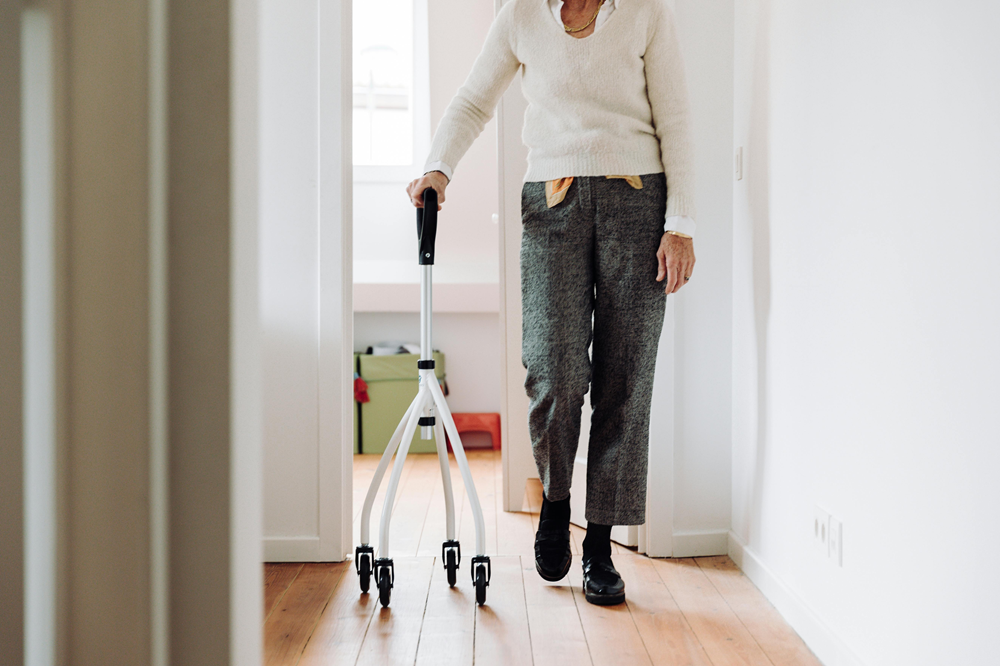
Other devices may include canes, forearm crutches, walkers, or rollators, each tailored to specific mobility needs. The key to successful device use lies in proper fitting and training. Poorly adjusted equipment can hinder progress or cause discomfort. Professional guidance ensures that the device complements the user’s natural movement patterns and does not contribute to strain or imbalance. With the right device, adults often experience greater confidence, reduced fall risk, and increased willingness to participate in daily activities.
Strengthening Through Targeted Therapeutic Exercise
Movement becomes easier when the body has the strength, balance, and endurance to support it. Therapeutic exercise is designed to improve these essential components. Programs often include strengthening exercises for core muscles, hips, and legs, which play important roles in maintaining upright posture and enabling safe walking. Balance training helps individuals respond to changes in terrain or unexpected shifts in movement, while flexibility exercises support comfortable motion through a full range of motion.
Therapists may incorporate functional training activities such as sit to stand transitions, controlled stepping exercises, or task oriented drills that simulate real life movements. These activities not only build physical capability but also encourage neurological adaptation. As the brain practices specific motions, neural pathways strengthen, improving both speed and coordination. Over time, these gains translate into greater mobility and independence during daily routines.
Enhancing Mobility Through Technology and Innovation
Advancements in rehabilitation technology continue to expand what is possible for adults working toward improved mobility. Wearable sensors can track gait patterns, speed, and activity levels, giving therapists precise data to guide treatment decisions. Electrical stimulation devices may help activate muscles that have weakened due to injury or illness. Treadmill systems with body weight support offer safe environments for practicing walking at different speeds and inclines without risking falls.
Smart home features also play a role in promoting independence. Voice activated controls, automated lighting, and mobility friendly layouts reduce environmental barriers and make movement more efficient. In some settings, robotic exoskeletons are used to support walking practice for individuals with significant mobility impairments. These devices are still emerging but hold promising potential for expanding mobility options for adults with complex needs.
Creating a Supportive Lifestyle That Encourages Independence
Independence is influenced not only by physical ability but also by lifestyle choices, emotional well being, and the surrounding support system. Consistency is important. Regular sessions with rehabilitation professionals, ongoing exercise routines, and clear communication about progress help maintain momentum. Support from family members, caregivers, and friends can also encourage confidence and reduce the emotional challenges that sometimes accompany mobility changes.
Adaptive strategies may also include modifying living spaces, using transportation services designed for individuals with mobility challenges, or participating in community programs that promote active engagement. Mental health support is equally important. Coping with reduced mobility can bring frustration or grief. Counseling or support groups can help individuals stay motivated and maintain a healthy outlook as they work toward greater independence.
Conclusion
Advancing adult mobility requires a combination of physical rehabilitation, thoughtful use of assistive devices, technological innovation, and supportive lifestyle habits. By focusing on personalized strategies, individuals can build strength, improve balance, and gain the confidence needed to move through daily life with greater independence. Whether progress comes through exercise, adaptive tools, or environmental modifications, each step contributes to a more empowered and fulfilling life.