What Is a Mini Dredge?
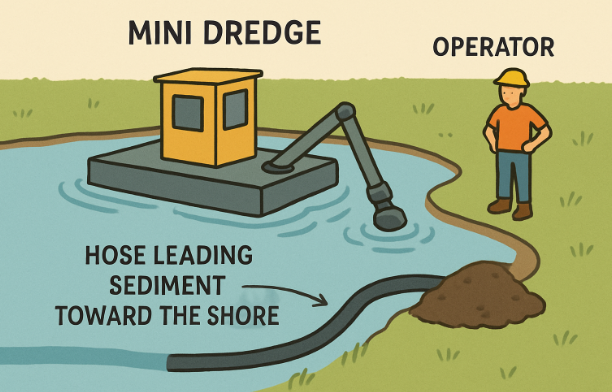
A mini dredge is a compact, portable piece of dredging equipment designed for smaller-scale sediment and debris removal tasks in water bodies. Unlike their larger, industrial counterparts, mini dredges can be transported in a pickup truck or trailer, making them highly accessible for residential, municipal, and light commercial applications. They are uniquely suitable for projects requiring maneuverability and minimal disruption, often fitting where traditional dredging machinery cannot. The growing popularity of mini dredge rental solutions has democratized access to this vital tool, offering flexibility for one-time or seasonal projects. Conventional dredging equipment is generally much larger, requiring specialized transport, launch methods, and bigger crews, which adds significant cost and complexity.
Brief History and Development of Mini Dredges
The origins of small-scale dredging technology can be traced back to innovations in portable pump and engine design during the late 20th century. Initially, pond and light dredging maintenance relied on labor-intensive manual tools or large, expensive machinery. As recreational pond management and small-scale water features became more common, the demand for affordable portable sediment removal solutions increased.
Power Sources
Mini dredges commonly use gasoline, diesel, or increasingly, electric motors as their primary power source. The choice of energy source impacts operational cost, maintenance needs, and suitability for environmentally sensitive locations.
Step-by-Step Operation
- Deployment: The dredge is carried or rolled to the shoreline, assembled, and launched directly into the water body.
- Suction Head Positioning: The operator maneuvers the suction head over target sediment areas.
- Material Removal: Sediment and water mixtures are vacuumed up, traveling through the hose for offloading or filtration.
- Completion: The machine is retrieved and the site cleaned up, with minimal disturbance to the ecosystem.
Main Applications for Mini Dredges
One of the most common uses for mini dredges is residential pond and lake maintenance, especially when silt, sand, or organic debris accumulates and threatens water quality or aesthetics. Homeowners, property managers, and HOAs often turn to these machines to rejuvenate aging ponds without draining them or damaging established habitats.
Marinas, golf courses, and municipalities leverage mini dredges to keep channels, lagoons, and stormwater basins clear of sediment buildup, ensuring navigation and water flow remain unobstructed. Sediment removal in small water bodies is crucial to maintaining ecosystem health, preventing eutrophication, and safeguarding fish populations.
Advantages of Using a Mini Dredge
Cost is a primary advantage, with mini dredge projects typically requiring less equipment, labor, and mobilization than conventional dredging. Operating expenses and maintenance costs are often considerably lower. These machines allow operators to address sediment buildup early and frequently, reducing the risk of large-scale, expensive interventions later.
Mini dredges are increasingly designed with eco-friendly considerations, featuring fuel-efficient engines, precise suction controls, and minimal habitat disruption. Their small profile and targeted suction reduce the potential for unintended environmental impacts. Portability and ease of use mean many jobs can be accomplished by a single operator after minimal training, streamlining the setup and project duration.
Key Considerations Before Operating a Mini Dredge
- Regulations and Permits: Many jurisdictions require specific permits for any activity that removes or redistributes sediment in natural water bodies. Always consult with local authorities or environmental agencies before beginning work.
- Safety: Protective gear, such as gloves and waders, and standard best practices for machinery and electrical safety are essential. Be mindful of underwater hazards and the stability of floating or wading platforms.
- Machine Selection: Choosing the right size and power depends on the area, depth, sediment type, and sensitivity of the project location. Manufacturers and rental providers can help match dredge specifications to your particular requirements.
Frequently Asked Questions About Mini Dredging
How much material can a mini dredge move per hour?
A mini dredge can typically move between 10 and 60 cubic yards of material per hour, depending on the model, conditions, and sediment type.
What maintenance do these machines require?
Regular maintenance involves cleaning pumps and intakes, inspecting hoses for blockages or leaks, and ensuring engines are fueled and lubricated properly. End-of-project maintenance includes flushing the system and storing equipment in a dry, safe place.
How do mini dredges compare with manual sediment removal?
Manual sediment removal is labor-intensive and less effective for deep or fine sediments. Mini dredges are exponentially more efficient and faster, and can access areas unsafe for manual labor, resulting in safer and higher-quality outcomes.
Current Trends and the Future of Mini Dredge Technology
Recent advances include the integration of remote controls and semi-automated systems, which reduce manual labor and increase precision. Demand for portable, lightweight dredging solutions in both the private and public sectors is notable. The environmental applications for these machines continue to expand, as highlighted in this industry overview on small-scale dredging solutions.
According to WaterWorld, innovations such as shallow-water deployment and energy-efficient motors make mini dredges more suitable for urban and ecological settings. As regulatory scrutiny over water quality intensifies, the use of compact, eco-conscious dredges is projected to rise substantially.
Is a Mini Dredge Right for Your Project?
Mini dredges present an effective, accessible solution for small- and medium-scale dredging needs, from pond maintenance to ecological restoration. If you require sediment removal in a confined or sensitive area and wish to minimize cost and disturbance, consider evaluating the latest in mini dredge technology. Research current models, weigh rental versus purchase options, and consult with experienced providers to ensure the best fit for your project.