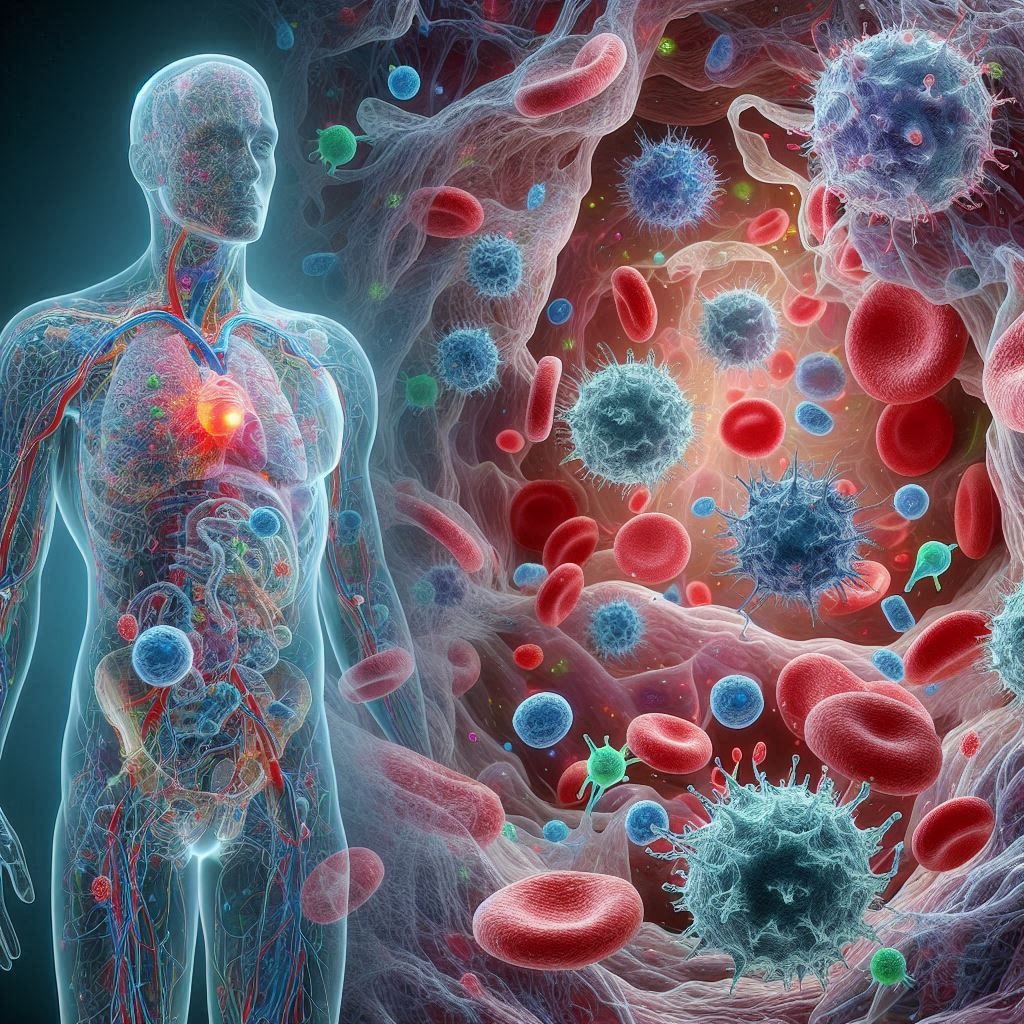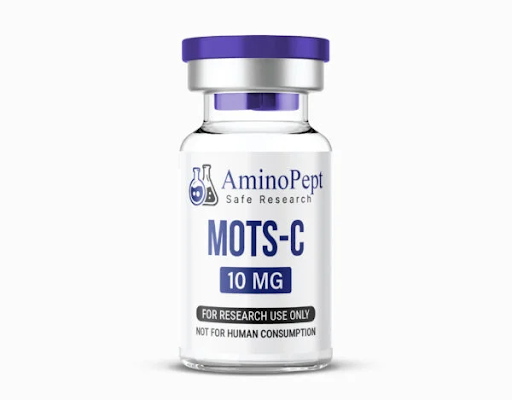
Peptides have emerged as powerful tools in modern science, offering targeted effects on metabolism, cellular health, and overall performance. Among these, certain compounds studied in Metabolic Research have gained prominence for their potential to optimize biological function, promote longevity, and enhance tissue regeneration. One of the most studied peptides in this domain is Epithalon, which has shown remarkable promise in extending cellular health and improving physiological performance.
Understanding Metabolic Research Peptides
Metabolic Research peptides are bioactive compounds designed to influence metabolic processes at the cellular and systemic levels. These peptides can regulate energy utilization, hormone activity, and gene expression, providing researchers with tools to study metabolic pathways and explore interventions for aging, chronic disease, and tissue repair.
Unlike general supplements, metabolic research peptides target fundamental biological processes. By modulating specific receptors and enzymes, they enhance cellular efficiency, repair, and resilience. Peptides like Epithalon exemplify this approach, offering a combination of regenerative and metabolic benefits that are particularly valuable in longevity and performance studies.
What is Epithalon?
Epithalon, also known as epitalon or epithalamin peptide, is a synthetic tetrapeptide composed of four amino acids. It was first developed to replicate the natural peptide epithalamin, which is produced in the pineal gland. Epithalon has been extensively studied for its effects on telomerase activity, the enzyme responsible for maintaining the length of telomeres—the protective caps at the ends of chromosomes.
Telomeres naturally shorten with age, leading to cellular aging and reduced regenerative capacity. By stimulating telomerase, Epithalon helps preserve telomere length, supporting cellular longevity, tissue repair, and metabolic efficiency. This unique mechanism makes it a central focus of peptide studies in anti-aging and Metabolic Research.
Key Benefits of Metabolic Research Peptides
1. Cellular Longevity and Regeneration
Aging and cellular decline are closely linked to reduced metabolic efficiency. Peptides like Epithalon enhance the body’s natural repair mechanisms by activating telomerase, improving DNA stability, and supporting overall cellular health.
Research indicates that regular use of Epithalon can enhance tissue regeneration, promote healthy cellular turnover, and reduce age-related degeneration. This makes it an invaluable tool for scientists and clinicians exploring interventions for healthy aging and improved metabolic performance.
2. Hormonal Regulation and Metabolic Optimization
Many metabolic research peptides influence hormone levels to support energy balance and metabolic function. Epithalon has been shown to regulate melatonin secretion, supporting circadian rhythms and improving sleep quality. Sleep, in turn, plays a vital role in metabolic health, hormone regulation, and cognitive performance.
By optimizing hormonal cycles, peptides studied in Metabolic Research help improve energy utilization, support weight management, and enhance overall metabolic efficiency. These effects make them valuable for both research studies and practical applications in health and wellness.
3. Anti-Aging and Tissue Support
One of the most compelling aspects of Epithalon is its anti-aging potential. By preserving telomere length and supporting cellular regeneration, it slows age-related decline in multiple organ systems. This includes improvements in skin health, cardiovascular function, and organ resilience.
Metabolic research peptides also support tissue repair by promoting collagen synthesis, enhancing vascular function, and reducing oxidative stress. These combined benefits make peptides like Epithalon ideal candidates for studies on longevity, regenerative medicine, and age-related metabolic disorders.
4. Cognitive and Neurological Benefits
Peptides studied in Metabolic Research often exhibit neuroprotective effects. Epithalon, for instance, has been linked to improved memory, focus, and cognitive resilience. By supporting neuronal repair and protecting against oxidative damage, it may contribute to healthier brain aging and enhanced mental performance.
This dual effect—enhancing both metabolic and cognitive function—highlights the broad applications of peptides like Epithalon in scientific research and practical interventions.
Applications in Research and Performance
Metabolic Research peptides are widely used in laboratory and clinical studies to explore aging, metabolic disorders, and performance optimization. Epithalon is often tested for its ability to:
- Extend cellular lifespan and telomere integrity
- Enhance tissue repair and regeneration
- Improve metabolic efficiency and energy utilization
- Support cognitive function and neurological health
- Delay age-related decline in organ function
In addition to research, peptides like Epithalon are being investigated for their potential in athletic performance and recovery. By optimizing metabolism and promoting tissue repair, these compounds can help support endurance, strength, and recovery in physically active individuals.
Importance of Proper Handling
Peptides used in Metabolic Research, including Epithalon, are typically supplied as lyophilized powders that require precise reconstitution before use. Proper handling, storage, and dosing are essential to maintain peptide stability and efficacy. Incorrect preparation can lead to reduced potency or inconsistent results, making adherence to protocols crucial in both research and clinical settings.
Safety Considerations
While Epithalon and other metabolic research peptides are generally well-tolerated, safety and quality are paramount. Peptides should be sourced from reputable suppliers to ensure purity, consistency, and reliability. Researchers must also follow established guidelines for dosing and administration to maximize benefits and avoid potential risks.
Ethical considerations are equally important, particularly in human studies, to ensure responsible and safe use of peptides in experimental and therapeutic applications.
Conclusion
Metabolic Research peptides like Epithalon represent a new frontier in health science, offering targeted interventions to enhance metabolism, support cellular repair, and promote longevity. By improving telomere integrity, regulating hormones, and supporting tissue regeneration, these peptides provide valuable insights into the mechanisms of aging and metabolic performance.
As research continues, Epithalon and related peptides are expected to play an increasingly important role in anti-aging studies, metabolic optimization, and regenerative medicine. For researchers, practitioners, and health enthusiasts alike, metabolic research peptides offer a promising path toward better performance, enhanced wellness, and prolonged cellular vitality.