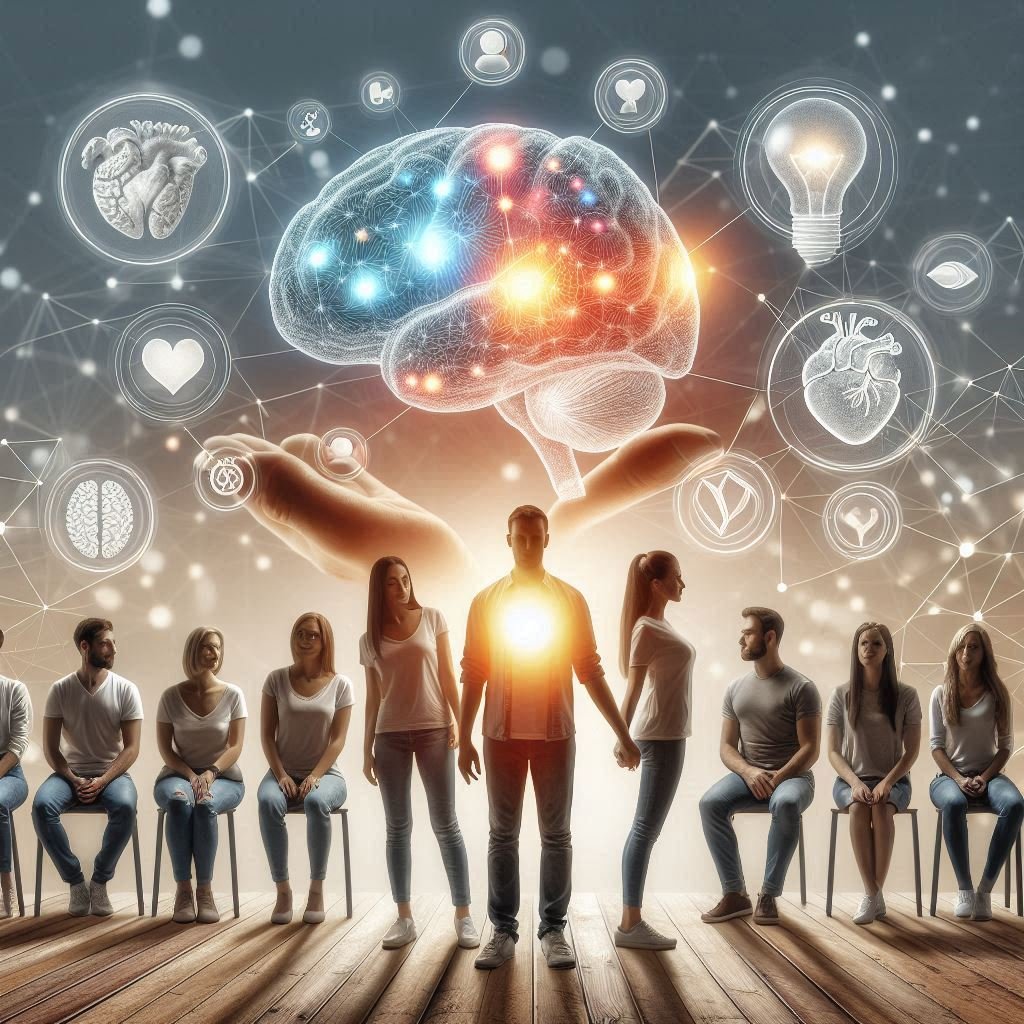
Mental health is a critical component of general health, as it determines the way people think, feel, and act. Although there is a well-known impact on emotional and cognitive functions, the effect of its impact on physical health, especially sexual health, is frequently neglected. The relationship between mental health issues and sexual performance problems in men is one of the most important yet less talked about areas.
Sexual performance is not only a physical process but it is also highly affected by the psychological factors. Sexual desire, arousal and performance can be disrupted by other conditions like anxiety, depression and chronic stress. These problems have the potential to initiate a loop in which mental health problems exacerbate sexual problems and vice versa.
The knowledge of this relationship is critical to holistic health promotion. Through the psychological and physical approach, people can be able to have better results and enhance their quality of life.
Knowing Sexual Performance and Mental Health
Sexual performance is a multifaceted process that includes physical, emotional, and psychological processes. It demands good operation of the nervous system, hormones and good mental state. Sexual performance problems in men can occur when any of these components are disturbed.
Mental illnesses may impair the brain to process the arousal and desire signals. The brain is in the center stage of the response in sexuality and emotional conditions will have a great effect on this process. As an illustration, emotions of fear or worry or sadness may disrupt the normal functioning of the body.
Also, self-esteem and confidence are very closely related to sexual performance. Confidence can be decreased by negative thoughts or emotional distress, and it is harder to get involved in intimate relationships.
Anxiety in Sexual Performance
One of the most prevalent mental health disorders that influence sexual performance is anxiety. This may be in the form of general anxiety or performance anxiety in which people are subjected to stress to perform to expectations in intimate situations.
Difficulties might include lowered arousal or the inability to have an erection as a result of performance anxiety. This is because anxiety triggers the stress response of the body and the hormones such as adrenaline are released which disrupt the normal sexual functioning.
The anxiety of not performing well may cause an anxiety-avoidance cycle. Every bad experience strengthens the fear, complicating the confrontations in the future. This can greatly affect relationships and self-confidence in the long run.
Coping with anxiety is very important to enhance sexual performance. Relaxation exercises, therapy, and open communication are some of the techniques that can help to break this cycle.
Depression and its Effect on Sexual Health
Depression includes mood, energy, and motivation in general, which also influence the sexual health. Depressed people can lose interest in activities that they enjoyed before such as intimacy.
Depression is usually characterized by low libido. The condition may also cause fatigue and loss of energy such that one may not be able to be sexually active. In other instances, drugs taken in an attempt to cure depression can also play a role in the sexual problems of men.
Self-image and confidence can also be impacted by depression. The desire to have intimacy may be lowered by negative thoughts and sense of worthlessness and can provide obstacles to healthy relationships.
Depression is a crucial condition to identify and manage to enhance mental and sexual well-being. Balance can be restored through professional assistance, lifestyle modifications, and proper medical care.
Stress and Hormonal Imbalance
Stress is an inherent reaction to problems, but persistent stress may be disastrous to the body. It affects the hormone levels and one of them is testosterone which is vital in sexual functioning.
The stress becomes long-term and therefore the body produces more cortisol. This hormone has the potential of inhibiting testosterone synthesis, which results to decreased libido and other sexual performance problems in men.
Stress also influences quality of sleep, energy, and feelings. All these lead to reduced sexual performance and satisfaction.
It is important to cope with stress using healthy coping mechanisms. Exercise, mindfulness, and relaxation methods are activities that can be used to restore the balance in hormones and enhance overall health.

“sexual performance problems in men treated with stress reduction and relaxation.
The Psychological Cycle of Sexual Performance Problems
Sexual performance problems tend to become a vicious circle which may be hard to disrupt. A temporary performance difficulty is one of the early challenges that can result in self doubting. These emotions may add stress and anxiety to the problem, and it becomes more chronic.
Relationships can be influenced by this cycle and result in communication barriers and emotional distance. In the long term, it can lead to shunning of intimacy, which adds to the problem.
This cycle is crucial to know so as to tackle the underlying causes of the situation and not only the symptoms. The key to breaking the cycle is psychological and physical interventions.
The Significance of Whole Person Care
The treatment of sexual performance problems in men should be a multi-faceted approach that involves both mental and physical health. The use of treatment based on physical symptoms alone might not be effective in the long term in case there are underlying psychological issues.
Holistic care implies a combination of medical care and psychological assistance. This can entail treatment, changing lifestyle, and open communication with the partners.
Health practitioners tend to stress the need to pay attention to mental health as a component of general sexual health. Such combination results in better and sustainable results.
Management and Treatment plans
The treatment of sexual performance problems entails a mixture of medical, psychological and lifestyle therapies. Both strategies contribute to the enhancement of general well-being.
Psychological Therapies
Treatment is a viable means to deal with underlying mental health issues. Cognitive behavioral therapy (CBT) may assist people to recognize and modify negative thinking habits that cause anxiety and depression.
Communication among partners can also be enhanced through counseling, which will help to establish trust and understanding. This is especially significant when it comes to handling issues pertaining relationships.
Medical Treatments
Sometimes medical care can be required to resolve physical issues in sexual performance. Drugs may be used to treat various disorders like erectile dysfunction and hormone replacement therapy can be employed to correct hormonal disorders.
One should seek the advice of a medical practitioner to establish the best treatment regimen.
Lifestyle Changes
Mental and sexual health can be greatly enhanced by healthy lifestyle habits. Working out will improve blood circulation and decrease stress. A balanced diet is a rich source of nutrients that aid in general functionality.
It is also important to get enough sleep because the body is able to rest and balance the hormones. Excessive alcohol and smoking should be avoided to further help.
To know more, go to: sexual performance problems in men.

“enhancing sexual performance problems in men using healthy life-style habits.
The role of Communication and Relationships
One of the determinants in resolving the sexual performance issues is open communication. Conversing with a partner can help decrease anxiety and increase emotional closeness.
Positive relationships ensure a positive atmosphere in which people feel comfortable and appreciated. This will assist in alleviating stress and enhancing self-esteem in intimate situations.
Couples therapy can also help on the dynamics of the relationship and enhance communication skills.
Getting Rid of the Stigma of Mental and Sexual Health
Stigma has been identified as one of the largest obstacles to resolving sexual performance problems among men. There are a lot of those who are ashamed or hesitant to seek help because of the social pressure or misunderstandings.
It is crucial to raise awareness of the relationship between mental health and sexual performance. Education will be able to make these experiences normal and make people seek out support.
The healthcare providers and communities have a significant role to play in ensuring that individuals feel free to discuss these issues.
Long-term advantages of tackling Mental Health
Enhancing mental health is not only beneficial to sexual performance. It boosts emotional health, boosts relationships and improves the quality of life.
Through treating mental health issues, one will be able to gain confidence, communicate more effectively, and enjoy personal life. These enhancements help in a more balanced and satisfying life.
Consistency and commitment to healthy habits are key to achieving long-term benefits. Even minor, positive changes may result in considerable positive changes in the long run.
Conclusion
Mental health and sexual performance are interrelated concepts and extremely intertwined. Other disorders include anxiety, depression and stress that may have serious effects on sexual performance among men which can affect both physiological and emotional health.
This relationship is crucial to understand in order to promote holistic health. The combination of psychological and physical factors will make people experience more effective and long-term changes.
Combination therapy, medical care, and lifestyle changes are the best methods of treatment. Open communication and awareness also contribute to improvement and lessen the stigma.
Finally, mental health should be given the first priority not just in sexual performance, but also in life in general. People will be able to take proactive measures towards improving their health and well-being with the right knowledge and support.