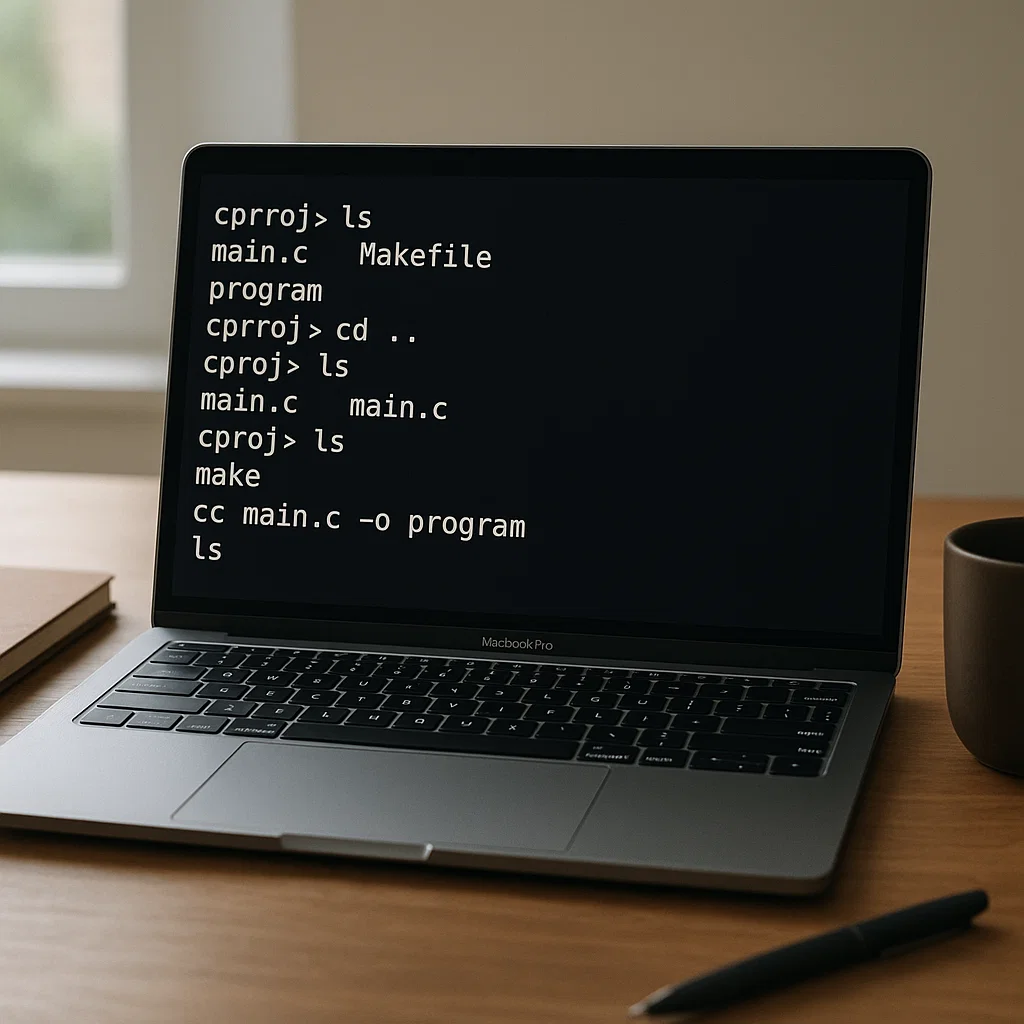
The Unix-based environment can change the gaming playing-field of the productivity, debugging, and effective file management of a C programmer. Unix commands are also part of tools that improve the experience of the developer, particularly where dealing with complicated projects, writing code, and working with multiple files in a smooth way. In this article, the key Unix commands will be presented: ls, cd, grep, chmod, and make, and how each of them facilitates an efficient C programming working process.
Unix Commands on an Introduction to C Programming
Unix commands represent the primary basis of navigating and manipulating files, processes, and resources on a Unix-based operating system. Being a C programmer, it is important to know these commands so that I can simplify the development process such as code compilation, debugging, file management, and system administration. These directives help the C programmers to work faster, troubleshoot, and have their projects in order and efficient.
The first step I would take when using these powerful tools is to become familiar with simple commands and their interactions. Unix commands that are frequently used in file navigation, project management, searching, and compiling are ls, cd, grep, chmod, and make. Now, we shall explore more into the mechanism of each of these commands and their relation to the world of C programming.
Basic Unix Commands Every C Programmer Ought to Know
ls – Displaying Files and Directories
One of the simplest yet handy Unix commands is the ls command. It is utilized to enumerate the files and directories of your current working directory, which enables you to have a quick look at your project files.
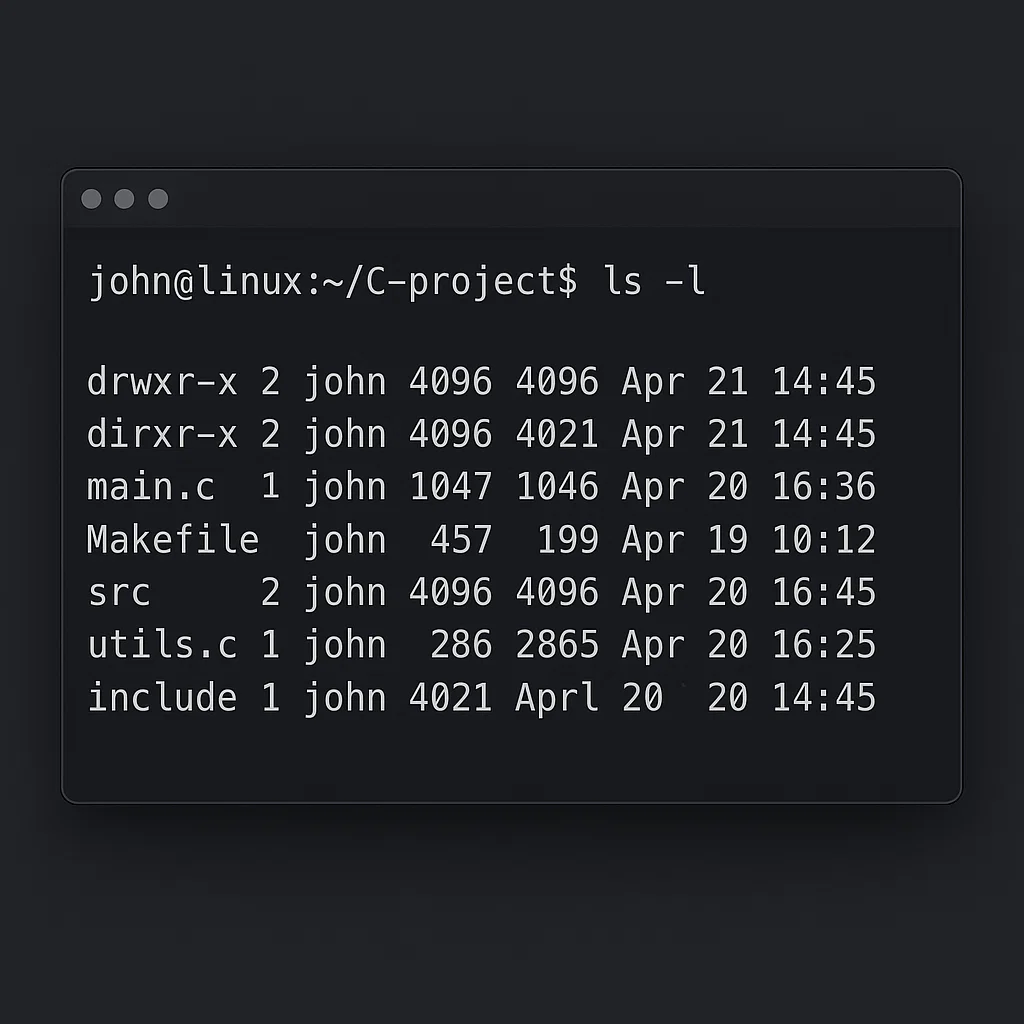
The productivity of ls will be improved as follows:
- File organization: With a simple typing of ls, it is possible to examine the files available in your directory and the location where they are supposed to be.
- Sorting and filtering: You can sort and filter your files by date, size, or type, such as ls -l (long format) and ls -a (show hidden files), which is helpful in case of a large project.
- Space saving: ls will help you discover files that you do not need and get rid of them, which will make your system more efficient.
Example:
$ ls -l
This command displays in-depth details on files including permissions, ownership, file size, and date of modification.
cd – Changing Directories
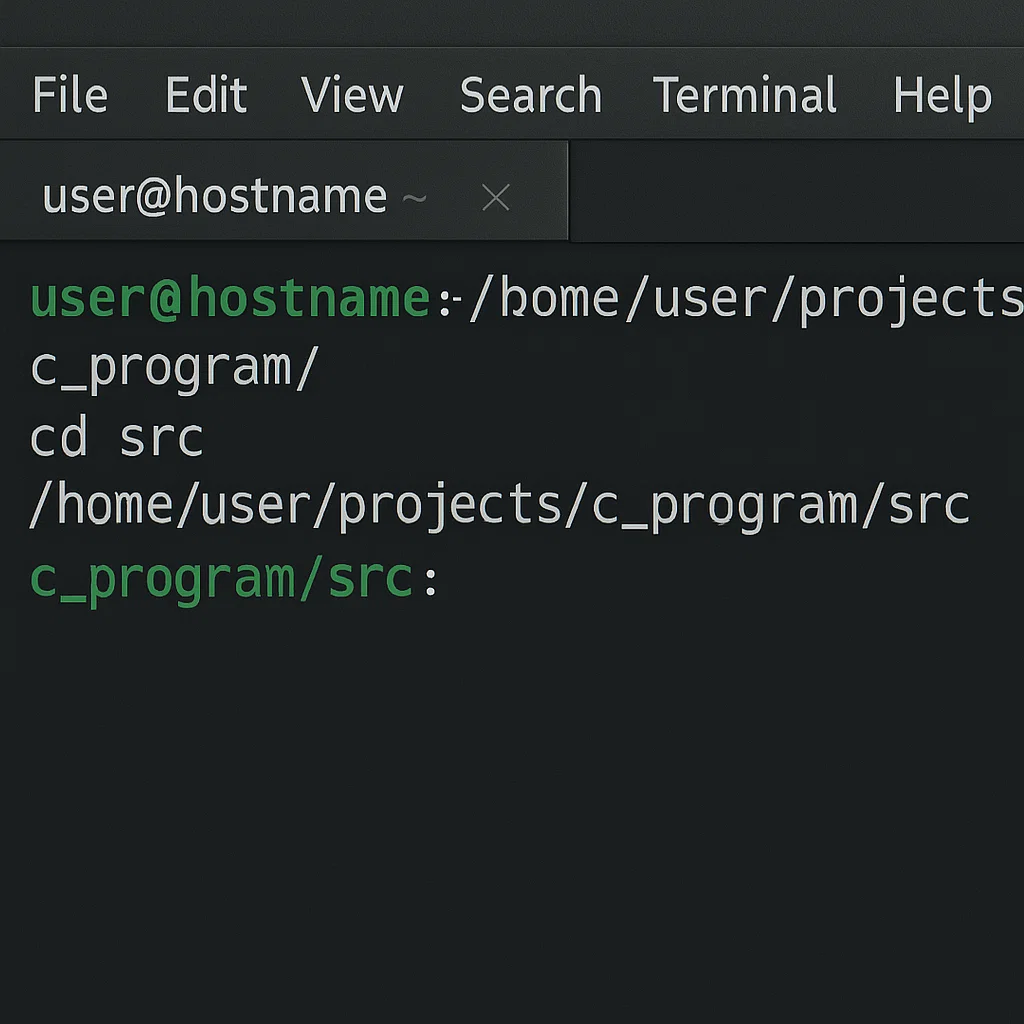
Change of current working directory is done with the help of the cd command. This would be necessary in maneuvering among the various directories of your C project.
How cd Is Better than Windows Explorer:
- Project navigation: Under cd, it is simple to move around the source codes, libraries, and build directories as well as ensure that your workspace is structured.
- Effective file management: You find it easy to navigate between various directories and thus control big projects without losing important files.
Example:
$ cd /path/to/project/directory
The following command will take you into the desired folder where you can proceed with working on your C project.
grep – Searching Within Files
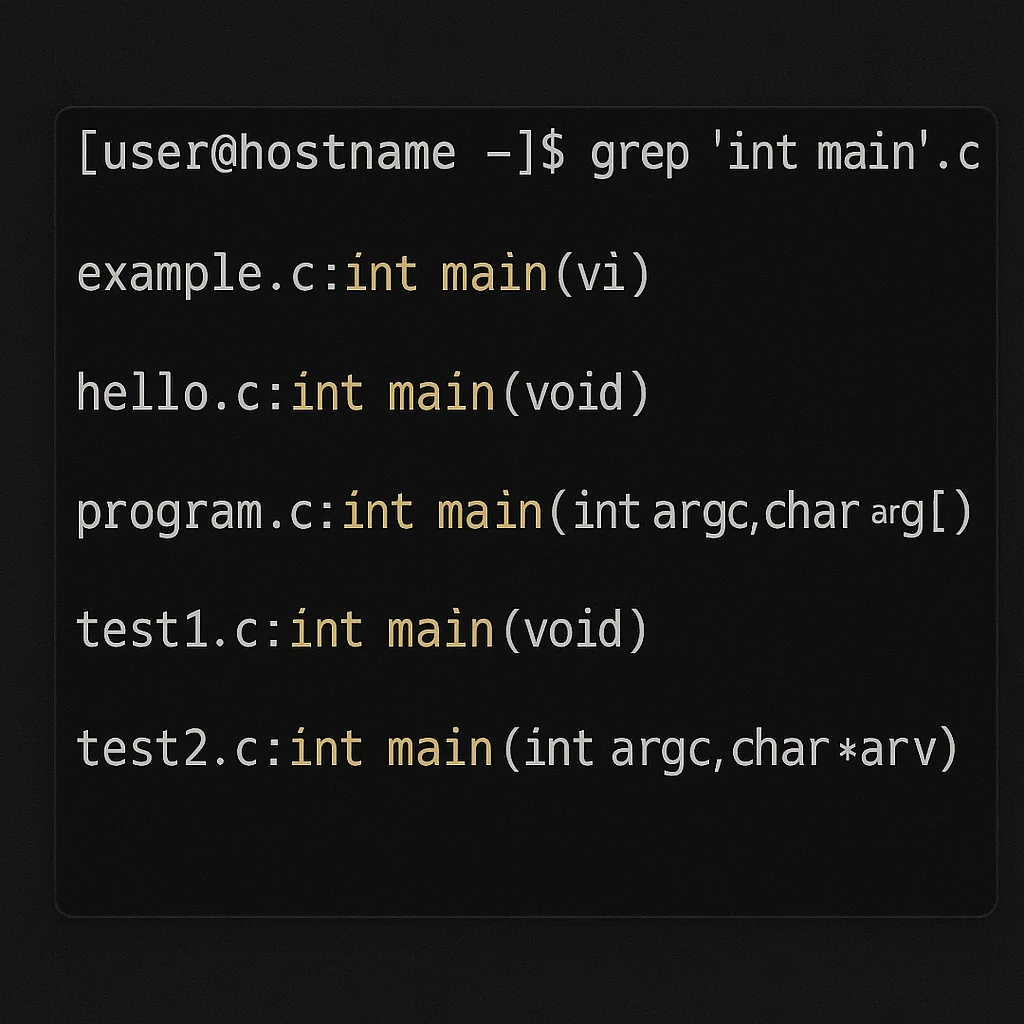
Bringing specific patterns or keywords in files is done using the grep command. This may come in handy particularly when debugging or attempting to find a given snippet of code within a large body of code (to the C programmer).
How grep Supports Debugging:
- Locating named functions: grep can be used to locate quickly named functions, variables, or error messages in your source files.
- Filtering logs: This is typically applied to also filter through log files or compiler output to find the errors or particular output to the debugging process.
Example:
$ grep “int main” *.c
This is a command that is used to find the main function definition of all the files of type .c in the current directory.
chmod – Changing the Permissions of the File
In Unix, chmod command helps to reset the permissions of the files or directories. This comes in handy especially when it comes to regulating who is allowed to read, write, or execute a file.
The Simplicity of chmod in Navigation:
- Access control: You may regulate access to your C source files and compiled binaries, so as to ensure that only authorized users can gain access to and execute, modify, or read sensitive files.
- Collaboration: In the case of working in teams, chmod enables the developers to grant permission to other team members to compile or edit certain files.
Example:
$ chmod +x myprogram.c
This command gives execution permission (+x) to myprogram.c file.
make – Compiling Nonsensically
To automate the process of code compilation, the make command is used. It becomes particularly useful in dealing with large C projects which include numerous source files and dependencies.
How make Needs Productivity:
- Automating build processes: The make command is used to define rules to compile and link a number of source files using a Makefile. This automates the process and saves time and also provides consistency in builds.
- Efficient updating of project: In make, it is only the files that have been changed, which require recompiling and time saved on the compilation is also minimized.
- Dependency management: make is a dependency manager that automatically manages dependencies between files, and can be used to update and compile your C project with ease.
Example:
$ make
This command will cause the make utility to compile and link the C source code as per the rules mentioned in the Makefile.
man – Accessing Manual Pages
To get the manual pages of other commands, the man command is entered, and it helps you to comprehend the syntax, options, and functionality of the command.
How man Supports Learning:
- Shortcut: In case you are not sure how to use a particular command, all you do is type man <command> to get a detailed explanation of how the command works, and you can now know how to use that particular command without having to consult a manual.
- Getting used to new commands: Another thing you can do is to familiarize yourself with new commands by having a habit of reading the man pages to find out what options and hidden features of Unix commands can streamline your workflow.
Example:
$ man ls
This command opens the manual page of the ls command and describes different options and its use.
Conclusion
Unix commands play a vital role in enhancing the productivity, efficiency, and ease of use for C programmers working in a Unix-based system. The essential commands discussed—ls, cd, grep, chmod, and make—are fundamental tools that support file management, debugging, and automation during C project development. Mastering these commands will undoubtedly improve your workflow and make you a more effective developer.
By learning and implementing these Unix commands, C programmers can streamline their daily tasks, minimize errors, and ensure that their code is both well-structured and efficient. As you continue to work on larger projects, don’t forget to take full advantage of Unix’s powerful command-line tools to make your development process more effective.