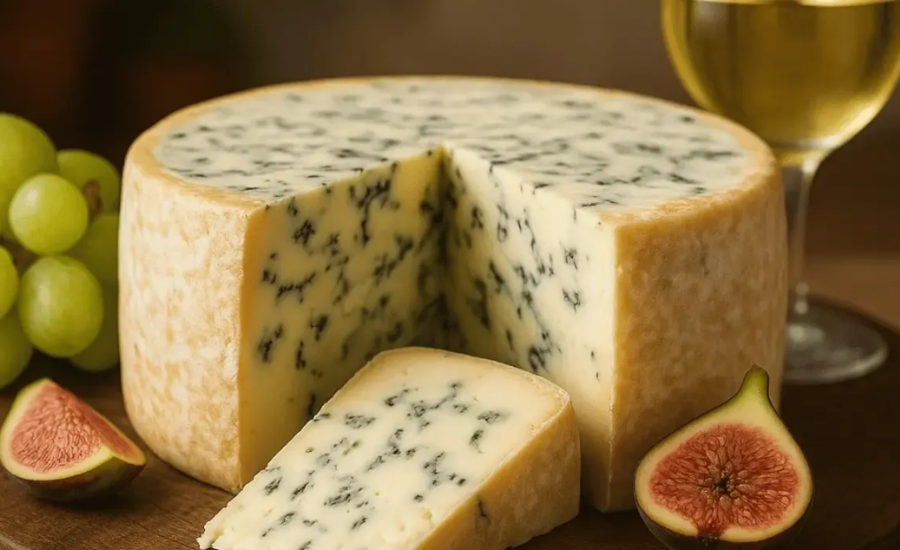
Introduction: A Cheese That Surprises Every Food Lover
In the world of gourmet cheeses, some varieties become famous while others remain under-the-radar treasures. Masgonzola, a luxurious blend of Mascarpone and Gorgonzola, falls into the second category. It’s not as globally recognized as Parmesan or Mozzarella, yet it carries a distinct charm that captivates chefs, food enthusiasts, and artisans who understand the beauty of fine cheese.
Masgonzola is a sensory experience—creamy, tangy, slightly sweet, and deeply aromatic. It takes two beloved Italian cheeses and merges them into something innovative and unforgettable. Unlike single-origin cheeses, Masgonzola tells a story of collaboration, creativity, and culinary risk-taking.
This article explores the origins, texture, flavor, culinary applications, and cultural importance of Masgonzola—providing a deep, unique perspective on why this cheese deserves more attention.
1. What Exactly Is Masgonzola?
1.1 A Hybrid of Two Italian Icons
Masgonzola is created by combining:
- Mascarpone, the silky, butter-like cream cheese used in desserts like tiramisu
- Gorgonzola, the world-famous blue-veined cheese known for its bold, earthy punch
When these two cheeses come together, they produce a hybrid that is:
- Rich but not overwhelming
- Bold but not excessively sharp
- Creamy with a hint of blue cheese magic
It’s essentially a “bridge cheese”—perfect for those who want to explore blue cheese but find traditional varieties too intense.
1.2 The Demand for a Balanced Gourmet Cheese
Masgonzola was born out of a simple need: a cheese that could deliver bold flavor without overpowering a dish. Cheesemakers realized that blending Mascarpone’s softness with Gorgonzola’s intensity created a unique balance that worked beautifully in both sweet and savory recipes.
This balance is the reason Masgonzola is becoming an essential ingredient in modern kitchens.
2. The Origin and Evolution of Masgonzola
2.1 A Product of Italian Culinary Innovation
While its exact birthplace is debated, Masgonzola is believed to have emerged from northern Italy—where both Mascarpone and Gorgonzola are traditionally produced.
The idea was simple yet genius:
- Take Gorgonzola Dolce (the milder version)
- Soften its sharp edges
- Enrich it with Mascarpone’s creamy sweetness
The result? A refined cheese that could satisfy both daring palates and those who prefer milder textures.
2.2 Rising Popularity in Modern Cooking
Over the years, Masgonzola has moved beyond Italy’s borders and is now cherished in:
- Gourmet grocery stores
- Fine-dining restaurants
- Bakeries
- Home kitchens
Its versatility makes it an easy favorite among chefs who appreciate ingredients that are both luxurious and manageable.
3. The Flavor and Texture Profile of Masgonzola
3.1 The Flavor Experience
Masgonzola’s taste can be described as:
- Creamy and buttery from the Mascarpone
- Tangy and slightly spicy from the Gorgonzola
- Mildly sweet, enhancing its depth
- Earthy, providing the true Italian cheese character
This layered complexity makes it ideal for a wide range of dishes.
3.2 A Texture That Enhances Any Recipe
The cheese’s texture is one of its most attractive qualities:
- Smooth and luscious
- Soft enough to spread
- Thick enough for fillings
- Melts beautifully in hot dishes
- Stable in cold applications
Its flexibility allows it to shine in dips, pasta sauces, pastries, and even desserts.
4. The Art of Making Masgonzola
4.1 Selecting Only the Finest Ingredients
True Masgonzola is made using:
- Fresh Mascarpone created from high-quality cream
- Gorgonzola Dolce, preferred for its mild flavor and creaminess
Producers ensure both ingredients meet strict Italian cheese standards.
4.2 The Delicate Blending Process
The cheeses are blended slowly and gently. Too much pressure ruins the texture, while improper mixing disrupts the balance of flavors.
The goal is:
- Preserve some blue-vein marbling
- Maintain creaminess
- Achieve consistent flavor
- Prevent separation
4.3 Resting for Flavor Harmony
After blending, the cheese is allowed to rest in cool storage. This aging period:
- Allows flavors to merge
- Softens the Gorgonzola notes
- Enhances Mascarpone richness
- Creates a smooth, unified texture
The end result is a cheese that feels handcrafted and thoughtfully balanced.
5. Culinary Uses of Masgonzola
Masgonzola is one of the most versatile cheeses Italy has ever produced. Its ability to work in both sweet and savory dishes makes it a favorite across cuisines.
5.1 Spreads and Appetizers
Masgonzola is exceptional on:
- Toasted baguette slices
- Crackers
- Rustic bread
- Garlic-topped crostini
Additions like honey, fig jam, or caramelized onions elevate it to gourmet status.
5.2 Pasta and Risotto Dishes
When melted into pasta or risotto, Masgonzola creates:
- Ultra-smooth sauces
- Deep, complex flavor layers
- A luxurious mouthfeel
Popular pairings include:
- Gnocchi with creamy Masgonzola
- Tagliatelle in Masgonzola sauce
- Risotto with walnuts and Masgonzola
5.3 Meat and Seafood Enhancements
It beautifully complements:
- Roasted chicken
- Beef fillets
- Pork chops
- Grilled shrimp
- Pan-seared salmon
Just a small amount can transform an ordinary dish into a high-end experience.
5.4 Pizza and Flatbread Toppings
On pizza, Masgonzola:
- Melts into a silky layer
- Adds a tangy twist
- Works well with mushrooms, prosciutto, or pears
It’s an excellent choice for white-sauce pizzas and gourmet flatbreads.
5.5 Salads and Dressings
Masgonzola can:
- Be crumbled into salads
- Whipped into a dressing
- Mixed into creamy dips
It pairs perfectly with nuts, apples, arugula, and balsamic vinegar.
5.6 Desserts You Won’t Expect
Because it includes Mascarpone, Masgonzola can also be used in desserts:
- Cheesecakes
- Fruit tarts
- Stuffed figs or dates
- Sweet pastries
- Honey-drizzled croissants
The mild blue-cheese undertone adds sophistication without overpowering sweetness.
6. Pairing Masgonzola with Drinks and Foods
6.1 Wine Pairings
White wines:
- Chardonnay
- Pinot Grigio
- Vermentino
Red wines:
- Barolo
- Chianti Classico
- Ripasso
Sparkling:
- Prosecco
- Champagne
6.2 Food Pairings That Bring Out Its Best
- Fresh pears
- Grapes
- Walnuts
- Smoked meats
- Truffle oil
- Dark chocolate
- Honeycomb
These combinations enhance Masgonzola’s sophisticated flavor.
7. Nutritional Value and Health Benefits
7.1 A Source of Important Nutrients
Masgonzola contains:
- Calcium
- Protein
- Vitamin A
- B-complex vitamins
- Healthy fats
These contribute to bone strength, energy, and skin health.
7.2 Enjoyed Best in Moderation
Although rich, Masgonzola:
- Is more nutrient-dense than many processed spreads
- Offers satisfying portion control
- Helps reduce cravings through healthy fats
It’s a flavorful, mindful treat for cheese lovers.
8. Masgonzola’s Role in Contemporary Cuisine
8.1 A Chef’s Secret Ingredient
Professional chefs appreciate Masgonzola because:
- It creates depth with minimal effort
- Works in fusion dishes
- Elevates ordinary recipes
- Blends quickly and cleanly
It’s often used in signature dishes in Italian, French, and modern European restaurants.
8.2 A Rising Star in Home Cooking
More home cooks are now experimenting with Masgonzola because:
- It’s versatile
- It’s easy to use
- It feels luxurious
- It fits everyday recipes
Social media platforms like TikTok and Instagram have helped popularize Masgonzola-based dishes, making it a trendsetter in kitchen creativity.
9. Storage, Handling, and Shelf Life
9.1 Proper Storage
- Keep refrigerated between 2–5°C
- Use airtight containers
- Avoid direct exposure to air
9.2 How Long It Lasts
- Unopened: up to 2–3 weeks depending on producer
- Opened: best consumed within 7–10 days
9.3 When Not to Use It
Do not consume Masgonzola if:
- It has an ammonia-like smell
- It becomes watery
- It shows unexpected mold or dark discoloration
Proper handling ensures safety and preserves flavor.
10. Why Masgonzola Deserves Global Recognition
10.1 A Cheese That Offers Something New
Masgonzola is not simply another Italian cheese—it’s a specialty product that redefines what cheese can be. It answers the need for:
- Creaminess
- Balance
- Flexibility
- Gourmet sophistication
10.2 A Culinary Bridge Between Worlds
It bridges:
- Sweet and savory cuisine
- Mild and bold flavors
- Traditional and modern cooking
This makes it unique in the global cheese landscape.
10.3 The Future of Masgonzola
As more chefs experiment and more consumers seek creative flavors, Masgonzola’s popularity is expected to grow. It may soon become a staple in gourmet kitchens worldwide.
Conclusion: A Cheese Worth Discovering
Masgonzola is an exceptional creation born from Italian craftsmanship and culinary imagination. Its union of silky Mascarpone and flavorful Gorgonzola results in a cheese that can be enjoyed in countless ways—spread on bread, melted into pasta, paired with fruit, or used in desserts. It’s a cheese that adapts, impresses, and elevates every dish it touches.
In a world where food trends constantly evolve, Masgonzola stands out not by being the loudest, but by offering something truly unforgettable: a harmony of flavor and texture crafted with intention and passion. For anyone looking to explore the richness of Italian cheeses, Masgonzola is a journey worth taking.