Live-service games have reshaped how players interact with PC gaming. Instead of fixed experiences, modern titles evolve continuously through updates, seasonal content, and balance changes. This constant evolution encourages players to adapt, learn, and reassess their approach over time rather than relying on static strategies.
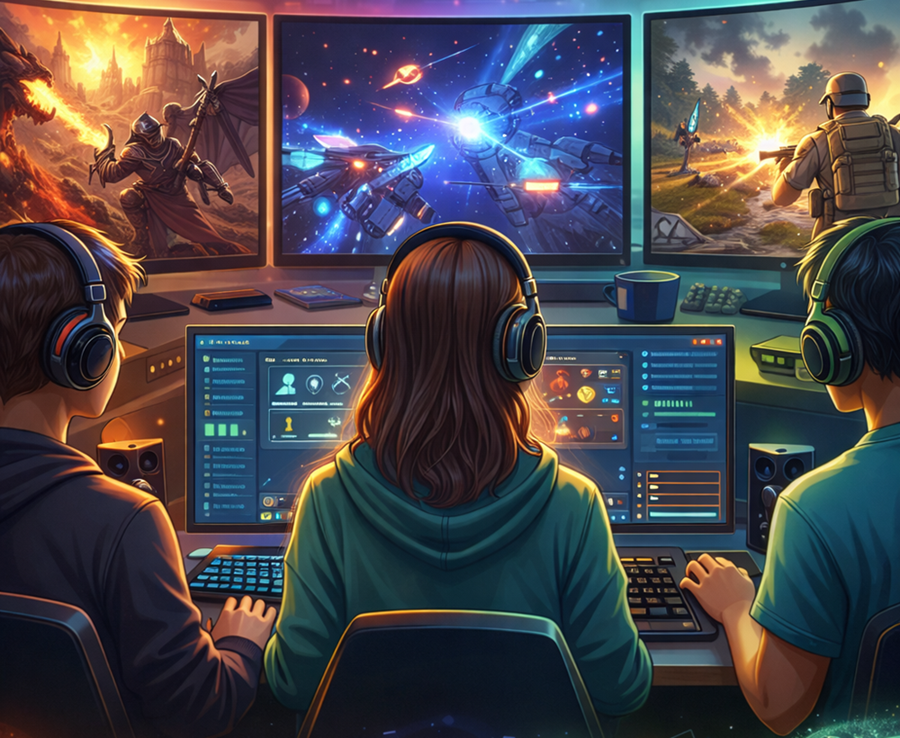
As a result, players increasingly engage with multiple games instead of committing to a single title indefinitely. This variety introduces new learning curves, systems, and community cultures, turning gaming into an ongoing process of discovery and adaptation.
Why Variety Matters in Modern PC Gaming
Playing different games exposes players to diverse mechanics and design philosophies. Each title emphasizes different skills, whether it is mechanical precision, strategic planning, or situational awareness. Over time, this diversity strengthens a player’s ability to learn new systems quickly.
Platforms discussing private cheats often become broader spaces for comparison and exploration. Players evaluate how different games handle progression, difficulty, and player feedback, helping them decide where to invest their time.
Exposure to multiple learning curves
Transferable skills across genres
Reduced burnout through variety
Fortnite as a Case Study in Constant Change
Fortnite represents one of the most dynamic live-service environments in gaming. Frequent updates, seasonal mechanics, and experimental features continuously redefine how the game is played. Players must adapt not only to balance changes, but also to entirely new systems introduced throughout the year.
Because of this, Fortnite players often rely on external discussion to stay informed. Conversations around fortnite hacks frequently expand into broader analysis of system behavior, update impact, and long-term trends rather than focusing solely on immediate gameplay outcomes.
This constant change rewards players who are flexible and curious. Those willing to learn and adjust tend to enjoy the game longer than those who resist change.
Seasonal mechanics reshape gameplay
Frequent updates require adaptability
Community discussion accelerates learning
Discovery and Decision-Making in Live-Service Games
With so many evolving titles available, players face the challenge of choosing where to focus their attention. Discovery is no longer random; it is guided by shared experiences, community feedback, and long-term observation.
By comparing how different games evolve over time, players develop stronger decision-making skills. They learn to recognize which titles align with their preferences for pace, complexity, and commitment.
Communities as Navigation Tools
Online communities act as navigational aids in the crowded gaming landscape. They help players understand not only how games work, but how they change. This perspective is essential in live-service environments where yesterday’s knowledge can quickly become outdated.
Players who engage with community discussion often adapt faster and experience less frustration. Instead of reacting blindly to changes, they anticipate shifts and adjust accordingly.
Conclusion
Live-service PC games demand flexibility, curiosity, and continuous learning. By exploring a variety of titles and engaging with shared knowledge, players transform constant change into an opportunity rather than an obstacle. Games like Fortnite illustrate how adaptability and informed decision-making define long-term enjoyment in modern gaming ecosystems.
Frequently Asked Questions
Why do live-service games change so frequently?
Frequent updates keep games fresh, respond to player feedback, and maintain long-term engagement.
How does playing multiple games improve learning?
Exposure to different systems helps players recognize patterns and adapt more quickly to new mechanics.
Is community discussion important for live-service games?
Yes. Community insights help players understand updates, anticipate changes, and adjust strategies effectively.
What makes Fortnite a strong example of a live-service game?<
Its constant updates, seasonal mechanics, and evolving systems require continuous adaptation from players.