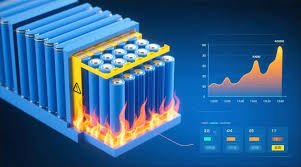
The demand for advanced battery technologies has increased rapidly in recent years due to the expansion of renewable energy, electric vehicles, portable electronics, and backup power solutions. Among the most promising technologies available today is the LiFePO4 battery, also known as the lithium iron phosphate battery. Recognized for its safety, long cycle life, and stability, the LiFePO4 battery has emerged as a preferred choice for applications where reliability and sustainability are critical.
This article explores the details of LiFePO4 batteries, their structure, advantages, applications, and future potential in the global energy market.
Understanding LiFePO4 Battery Technology
A LiFePO4 battery is a type of lithium-ion battery that uses lithium iron phosphate as the cathode material and a graphitic carbon electrode with a metallic backing as the anode. This chemistry distinguishes it from other lithium-ion chemistries like lithium cobalt oxide (LiCoO2) and lithium manganese oxide (LiMn2O4).
The chemical formula for the cathode material is LiFePO4, which provides the name for this battery type. The phosphate-based chemistry offers several benefits, including improved thermal stability, enhanced safety characteristics, and long cycle life compared to traditional lithium-ion options.
Key Features of LiFePO4 Batteries
Safety and Thermal Stability
One of the most significant benefits of LiFePO4 batteries is their enhanced safety profile. Unlike cobalt-based lithium-ion batteries, LiFePO4 batteries are much less prone to overheating or thermal runaway. This makes them a safer option in electric vehicles, residential solar storage, and critical backup power systems.
Long Cycle Life
A LiFePO4 battery can endure between 3,000 to 5,000 charge cycles, depending on operating conditions. This is significantly higher than the average 500–1,000 cycles found in conventional lithium-ion batteries. Longer cycle life means reduced replacement frequency, leading to cost savings over the battery’s lifetime.
Consistent Voltage Output
These batteries maintain a steady voltage output throughout most of the discharge cycle, ensuring reliable performance for sensitive electronics and equipment.
Lightweight Design
Compared to traditional lead-acid batteries, LiFePO4 batteries are much lighter, offering higher energy density without compromising on durability. This makes them particularly suitable for electric vehicles, portable devices, and off-grid solar applications.
Eco-Friendly Composition
LiFePO4 batteries do not contain harmful heavy metals such as cobalt, nickel, or lead. This makes them more environmentally friendly and easier to recycle compared to other battery chemistries.
Advantages of LiFePO4 Batteries Over Other Chemistrie
When compared to other popular energy storage technologies, LiFePO4 batteries hold several competitive advantages:
- Over Lead-Acid Batteries: LiFePO4 batteries are lighter, charge faster, last longer, and require no maintenance. Lead-acid batteries often fail after 300–500 cycles, while LiFePO4 can last for thousands.
- Over Lithium Cobalt Oxide Batteries: LiFePO4 offers better thermal stability, a longer cycle life, and improved safety. While lithium cobalt oxide batteries may provide higher energy density, they are prone to overheating and are less stable.
- Over Nickel-Based Batteries: Nickel-cadmium and nickel-metal hydride batteries are bulkier, less efficient, and suffer from memory effects, which LiFePO4 batteries avoid.
Applications of LiFePO4 Batteries
The unique properties of LiFePO4 technology make it suitable for a wide range of applications.
Renewable Energy Storage
With the global shift toward clean energy, LiFePO4 batteries are widely used in solar and wind power storage systems. Their long cycle life and consistent performance ensure reliable storage of renewable energy for residential, commercial, and industrial use.
Electric Vehicles (EVs)
Safety, durability, and fast-charging capabilities make LiFePO4 batteries ideal for electric cars, electric bikes, and scooters. Many EV manufacturers are now adopting LiFePO4 over traditional lithium-ion chemistries to enhance vehicle longevity and reduce fire hazards.
Marine and RV Power
Boats, yachts, and recreational vehicles benefit from the lightweight and deep-cycle capabilities of LiFePO4 batteries. Their resistance to vibration and ability to deliver consistent energy make them a reliable option for mobile lifestyles.
Backup Power Systems
LiFePO4 batteries are increasingly used in uninterruptible power supplies (UPS) and home backup systems. They can provide stable energy during outages, ensuring essential systems remain operational.
Industrial and Medical Equipment
Critical medical devices, forklifts, and heavy-duty industrial machinery often require dependable energy storage. The safety and stability of LiFePO4 batteries make them an excellent choice for these demanding environments.
Performance Characteristics of LiFePO4 Batteries
To understand why LiFePO4 batteries are gaining popularity, it is important to examine their key performance characteristics:
- Voltage Range: Typically around 3.2V per cell, offering a stable discharge profile.
- Energy Density: Between 90–160 Wh/kg, which is slightly lower than some lithium-ion chemistries but still far superior to lead-acid batteries.
- Charging Efficiency: High efficiency of up to 95%, which reduces wasted energy during charging.
- Self-Discharge Rate: Very low, usually less than 3% per month, making them suitable for long-term storage applications.
- Operating Temperature: Effective in a wide temperature range (-20°C to 60°C), making them suitable for diverse environments.
Maintenance and Care for LiFePO4 Batteries
While LiFePO4 batteries require less maintenance than lead-acid or nickel-based batteries, certain practices can optimize their performance:
- Avoid deep discharges whenever possible to extend cycle life.
- Store batteries in cool, dry conditions to prevent degradation.
- Use appropriate chargers designed for LiFePO4 chemistry.
- Regularly monitor voltage and capacity levels if used in demanding applications.
By following these practices, users can maximize the return on investment and enjoy reliable service for many years.
Economic and Environmental Benefits
From an economic perspective, the higher upfront cost of a LiFePO4 battery is balanced by its longevity and low maintenance requirements. While traditional lead-acid batteries might seem more affordable initially, they require frequent replacements, making them more costly in the long term.
Environmentally, the reduced reliance on harmful metals like cobalt and lead makes LiFePO4 batteries a greener alternative. Their recyclability further enhances sustainability, supporting the global transition to cleaner energy systems.
The Role of LiFePO4 in the Renewable Energy Revolution
As solar panels and wind turbines become more widespread, the need for reliable and safe energy storage solutions grows. LiFePO4 batteries play a critical role in this shift by storing excess renewable energy for later use. They stabilize power grids, reduce dependence on fossil fuels, and support decentralized energy systems.
In residential applications, homeowners using solar panels often choose LiFePO4 batteries for their home energy storage systems. These batteries enable users to achieve energy independence, reduce electricity bills, and ensure power reliability during grid failures.
Future Prospects of LiFePO4 Batteries
The global energy storage market is expected to expand significantly in the coming decades, and LiFePO4 batteries are poised to play a leading role. With continued research and development, improvements in energy density and charging speeds will make them even more competitive.
Moreover, the widespread adoption of electric vehicles is pushing manufacturers to seek safer, cost-effective battery chemistries. LiFePO4 batteries are now being used by leading EV brands, especially in entry-level and mid-range electric cars. This trend is expected to grow as consumers prioritize safety and affordability alongside performance.
Additionally, advancements in recycling technology will make LiFePO4 batteries even more sustainable, aligning with global goals for a circular economy.
Conclusion
The LiFePO4 battery represents a powerful combination of safety, reliability, and environmental responsibility. Its long cycle life, stable performance, and eco-friendly composition make it one of the most versatile battery technologies available today. Whether used in renewable energy storage, electric vehicles, marine applications, or industrial settings, LiFePO4 batteries provide dependable solutions for the energy challenges of the modern world.
As technology advances and the world transitions toward clean energy, the importance of LiFePO4 batteries will continue to grow. For individuals, businesses, and governments seeking sustainable and future-proof energy storage solutions, LiFePO4 is not just a smart choice—it is the foundation of tomorrow’s energy landscape.