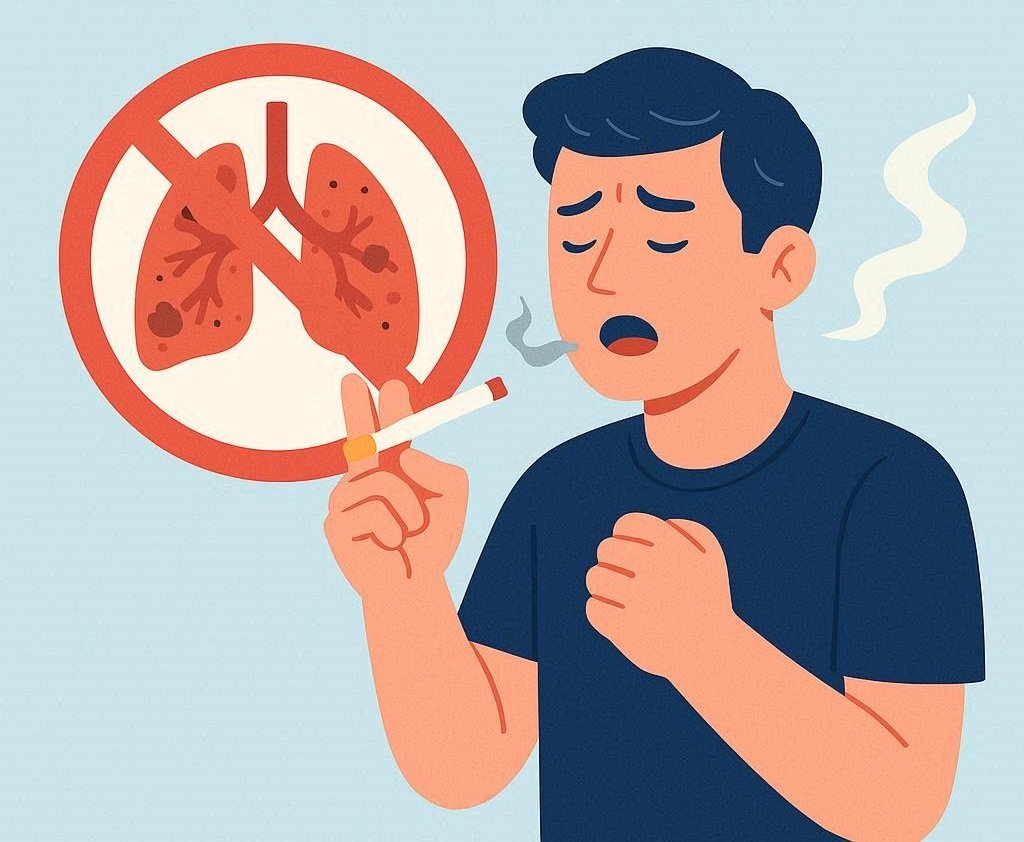
Lungs are important to maintain the life process as they help to supply oxygen to the body and extract carbon dioxide that is generated during metabolism. With each breath, the oxygen gets into the blood circulatory system and helps to power up the processes that help in energy generation, organ functioning and cellular processes. Due to the constant exposure of the lungs to the surrounding and the internal body systems, a daily habit in lifestyle significantly affects the respiratory health.
Although the respiratory system has natural defence mechanisms, which include; mucus, cilia and immune responses that aid in the process of filtering harmful substances, these defences have no limit. Some of these habits may also suppress the lung defense and disrupt airway performance, which reduces the effectiveness of breathing and puts the patient at risk of respiratory illness. Simultaneously, healthy lifestyle may enhance lung tissues, facilitate efficient gas exchange, as well as overall breathing performance.
The ability to know the effects of daily actions on the lungs is a crucial aspect of long term respiratory performance. Bad habits like smoking, unbalanced diet, physical exercise, water and stress can adversely impact the respiratory system. On the other hand, healthy behavioral change has the potential to improve the functioning of the lungs and help to maintain sustainable respiratory health during lifetime.
Learning the Value of Lung Health
A respiratory system is a system that includes a network of blood vessels, lungs, and airways that interact to aid in breathing. The air comes through the nose or mouth, passes on to the trachea and to the branching airways known as bronchi and bronchioles to the alveoli. It is these small air sacs that perform the functions of exchange of gases as oxygen gets into the blood stream and carbon dioxide gets out of the body.
Several conditions are required in ensuring efficient lung functioning, and they include clear airways, flexible lung tissues, powerful respiratory muscles, as well as, healthy circulation in the pulmonary capillaries. When the components are well coordinated, delivery of oxygen to all body parts is maintained and breathing becomes easy.
But there are lifestyle habits that can affect the well being of these structures. There are behaviors that undermine the airway defences, diminish the lung capacity, or even the balance between ventilation and blood flow. Others assist in keeping the lungs elastic, enhance uptake of oxygen as well as respiratory muscle strengthening.
The consideration of the negative and positive lifestyle determinants can give an understanding of how people can safeguard and take advantage of their respiratory health by making daily decisions.
Smoking and Its Effects on Respiratory System
With all the lifestyle behaviours that have an impact on the lungs, smoking has been one of the most harmful. Cigarette smoke comprises of thousands of chemicals, most of them toxic and able to damage the lung tissue. These chemicals also irritate the airways when smoked causing an inflammatory response in the respiratory tract.
The chronic condition of being exposed to cigarette smoke causes harm to the thin lining of the airways as well as paralysis of the minute hair-like structures known as cilia. Usually, the cilia are used to clear the mucus and any particles that are trapped out of the lungs. In case of their dysfunction, dangerous elements are deposited in the respiratory system.
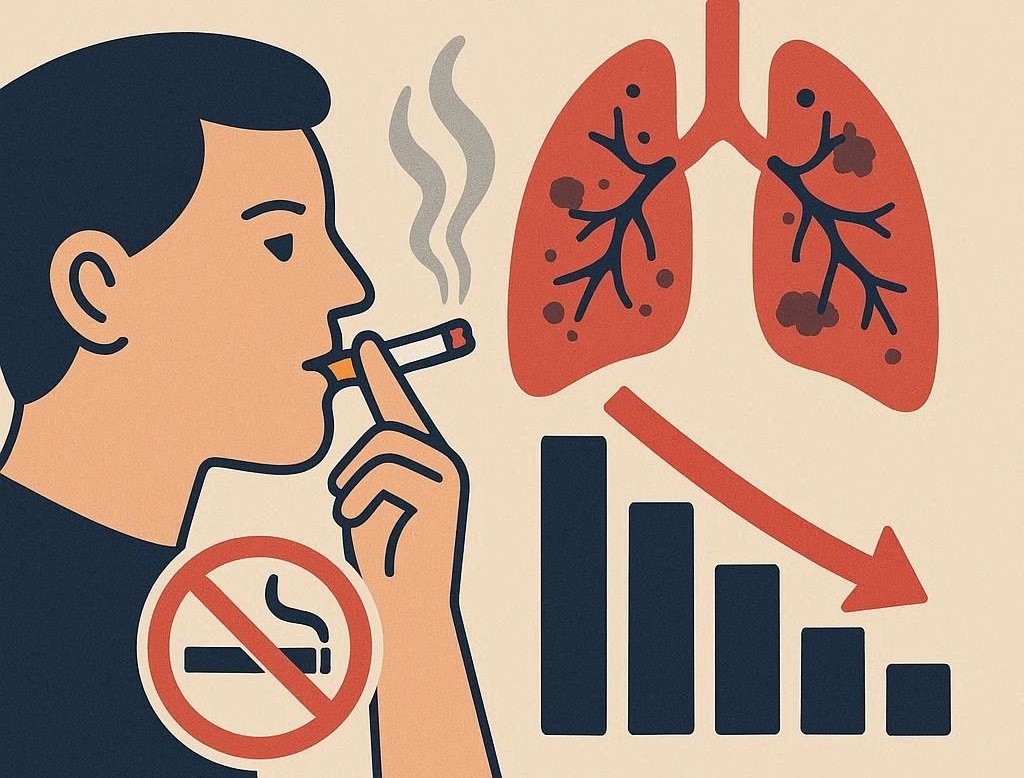
With time, airways narrowing and ruining lung tissue may be causes of smoking. The changes inhibit the efficient exchange of oxygen in the lungs and predispose the lungs to chronic respiratory diseases like chronic obstructive lung disease (COPD), bronchitis, and lung cancer.
Whereas, smoking cessation offers both short-term and long-term respiratory health benefits. The inflammation in the lungs starts to reduce soon after the cessation of smoking and in the long run body can repair some of the damage that occurs in airway tissues. Cessation of smoking is also associated with better breathing capacity and fewer respiratory symptoms in individuals who are able to quit smoking.
Television Watching and Impaired Pulmonary Function
The contemporary ways of life have included the sitting lifestyles, at work, at school, or at home. Even though the issue of sedentary behaviour does not appear to have a direct relationship with the process of breathing, physical inactivity might profoundly influence the work of the lungs.
Frequent exercise of the body blows out the respiratory system as it raises the oxygen requirement. When one exercises, breathing will be deep and quick, and more oxygen will enter the blood. This pressure and demand enlarge respiratory muscles and promotes good ventilation.

These physiological challenges do not exist when people spend much time in an inactive state. In the course of time, respiratory muscles may weaken and the lung capacity may reduce. There is also a risk of developing shallow patterns of breathing that will decrease the volume of air eaten in each breath.
Regular exercise is a solution to these effects and will keep the respiratory system healthier. Brisk walking, cycling, swimming and jogging activities are forms of activity that make the lungs work harder to deliver oxygen to the entire body since they promote deep breathing.
Regular movement also increases circulation, which means that oxygen-rich blood circulates more effectively to the tissues. Consequently, cardiovascular fitness is not the only effect of regular exercise; other effects include stronger and more efficient functioning of the lungs.
The Dietary Support of Pulmonary Function
Nutrition is essential in the sustenance of health of all body organs including lungs. Balanced diet contains important nutrients which increase immune functioning, shield the lung tissues against oxidative stress and enhances the general health of the respiratory system.
There are specific nutrients which are very significant in protection of the lungs. Vitamins C and E are antioxidants that counteract the harmful molecules (free radical) that may harm cells and cause inflammation. These are nutrients which are obtained in fruits and vegetables and facilitate the natural body defense.
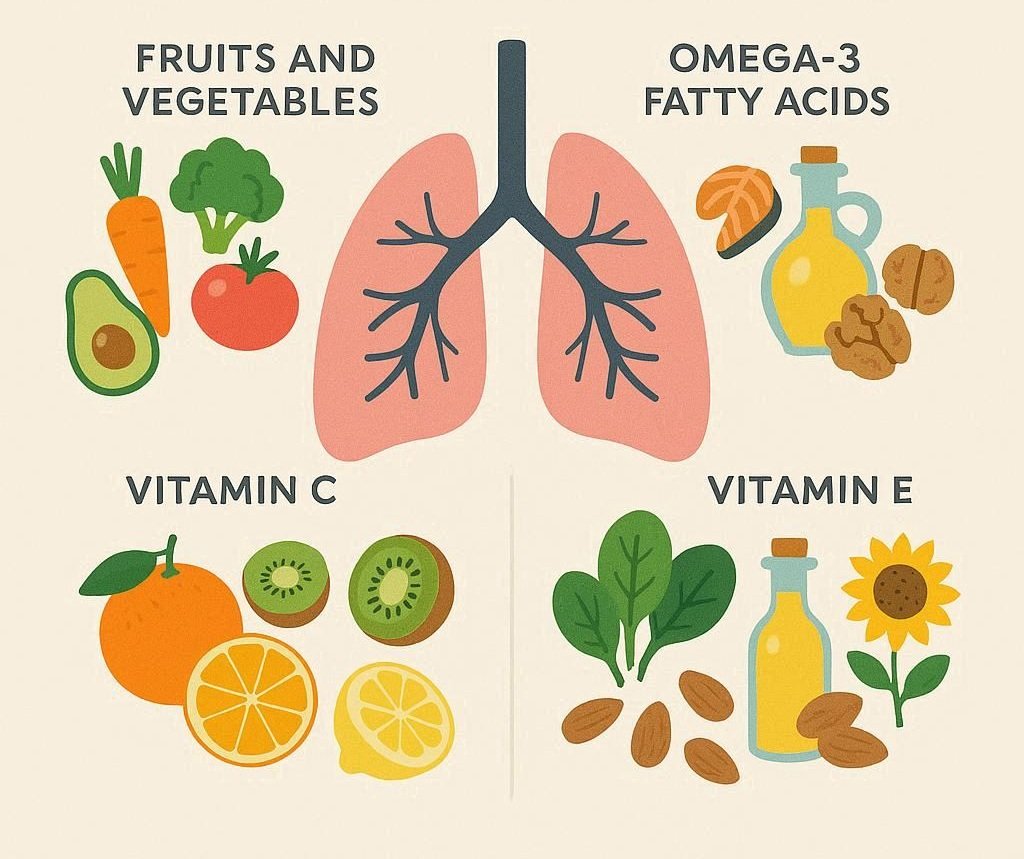
Fatty acids such as omega-3 which are also present in fish, nuts, and seeds also help in the reduction of inflammation in the body. Due to the potential impact of the chronic inflammation on the airway’s tissues, the intake of food with the anti-inflammatory function can be beneficial to the lung’s operation.
Conversely, high amounts of processed foods, high amounts of sugar, and un-healthy fats in diets can lead to systemic inflammation and adversely affect respiratory performance. Ineffective nutrition may also lead to weakening of the immune system making them more prone to respiratory sicknesses.
Eating a healthy diet, which comprises fruits, vegetables, whole grains, lean proteins, and healthy fats offers the nutrients required to have healthy lungs and long-term respiratory health.
Hydration and Its Effect on Airway
Proper hydration is a key that is usually neglected to talk about lung health, but it is useful in keeping the airways clear. The respiratory system also produces the mucus, which assists in the entrapment of dust, microbes, and other particles that get into the lungs.
Normal hydration of the body ensures that the mucus is thin and can be easier pushed by the cilia out of the respiratory system. It is a natural process of clearance in the lungs that prevents exposure of the lungs to harmful materials.
Dehydration leads to a thicker and more stubborn mucus. Consequently, the particles and microorganisms can stay in the airways more, which can cause the higher potential of irritation or infection.
Proper hydration through consuming adequate amount of water, during the day, helps in facilitating the natural cleaning of the lungs and also helps to achieve better breathing patterns. It is a small practice that has a significant impact on preserving the respiratory health.
Stress and Its Impact on breathing Patterns
Psychological stress is able to affect numerous physiological events, such as the breathing. When under stress or anxiety people tend to breathe in different ways including shallow or rapid breathing. Such trends can have the effect of lowering the effectiveness of the oxygen exchange and burdening the respiratory muscles.
The chronic stress may also lead to inflammation in the body and compromise the immune responses. In the long run, such effects can predispose to respiratory infections and other illnesses.
A healthy way of managing stress therefore is a key factor of healthy lungs. Mindfulness, meditation, controlled breathing exercises, and regular exercise are the techniques that can be used to control breathing patterns and minimize the physiological impacts of stress.
Stress management practices help to enhance the respiratory health and body strength in general because of enhancing emotional well-being and promoting deeper breathing.
Take Action: Lifestyle Modifications to Guard against Lung Cancer
To have healthy lungs, people do not need to make such radical changes in their lifestyles, yet they need to lead regular routines that help in the body breathing. Incorporating minor changes in the day-to-day activities can produce an enormous impact on a long-term scale.
Some viable solutions are:
- Preventing tobacco smoke and other harmful airborne contents.
- Doing routine aerobic exercises to apply muscle to the respiratory muscles.
- Consumption of a nutritious diet that is high in fruits and vegetables and healthy fats.
- Taking sufficient water to keep the airways hydrated.
- Applying stress management skills that lead to good breathing.
The behaviours will maintain the integrity of the airways, enhance the efficiency of the gas exchange, and support the natural defenses of the lungs.
Conclusion
Having been one of the most critical systems in keeping us alive, the respiratory system is important in that it supplies the body with oxygen and eliminates carbon dioxide, which is done continuously. Due to the close interaction of the lungs with the external environment and internal physiological activities, the daily lifestyle habits have an overwhelming effect on their functioning.
Such habits as smoking, lack of physical activity, unhealthy dieting, insufficient hydration, and prolonged stress may undermine the defences of the airways and damage the work of the lungs. These could cause breathing problems and decreased respiratory rates in time.
On the other hand, healthy behaviours such as exercise, proper diet, adequate hydration and stress management can promote the effectiveness of respiratory system and performance of breathing. Careful lifestyle decisions would help people save lung tissues, promote effective oxygen uptake, and take care of long-term breathing health.
Finally, the habits of daily practices are represented by the health of the lungs. Focusing on activities that help the breathing system, people will be able to support healthier lungs, greater breathing capacity, and good well-being.