
The circulatory system is known to be a basic component of a life-sustaining system since it facilitates the constant flow of blood within the body. Oxygen, nutrients, hormones and immune elements are carried to the tissues through this system and metabolic waste products carried away. With an efficient circulation, the organs and cells get the resources that they require in order to operate optimally. Nevertheless, unhealthy life choices may slowly cause circulation impairment, putting one at risk of cardiovascular disease and decreased overall wellbeing.
Numerous circulatory diseases build up without signs and symptoms gradually, being highly affected by everyday decisions. There are direct impacts of diet, physical activity, hydration, sleep patterns and even stress levels on blood vessel health, heart functioning and efficiency of blood flow. Fortunately, these are mostly individual factors that are controlled and hence prevention is one of the most efficient approaches towards circulatory health.

This article discusses the benefits of daily lifestyle habits to a healthy cardiovascular system. It links everyday practices to circulation, directing the readers to the effective measures to maintain healthy circulation, save the heart, and enhance long-term health.
Knowledge of Circulatory Health and Lifestyle Influence
Blood is comprised of the heart, blood and blood vessels in a combination that transfers substances in the body. To attain successful functioning of this system, blood vessels should be flexible, blood composition should also be balanced, and, the heart should be able to pump effectively. All these elements are affected by lifestyle choices.
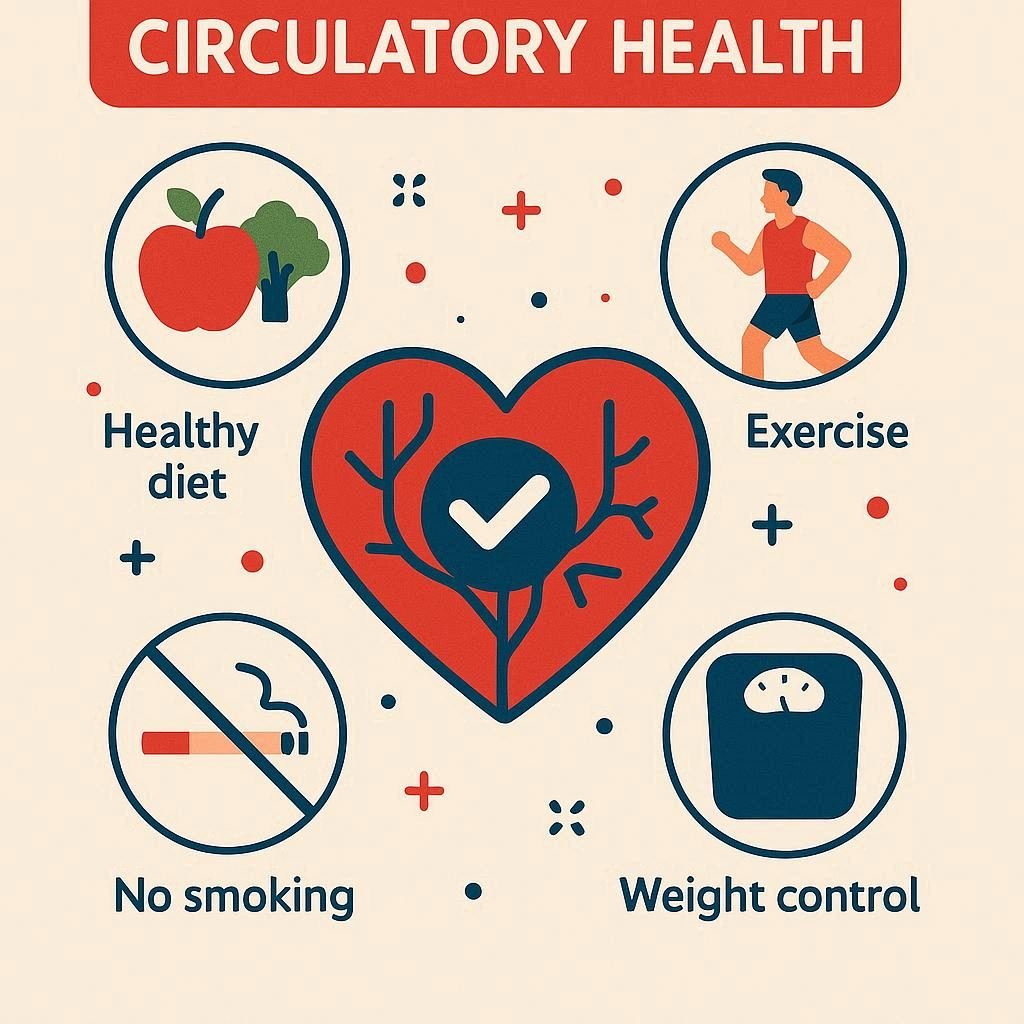
Unhealthy lifestyles as poor dieting, lack of physical exercise, dehydration and chronic stress can cause slow destruction of blood vessels and efficiency in circulation. On the other hand, healthy lifestyle decisions make the heart stronger, enhance vessels flexibility and healthy blood circulation. These decisions, in the long term, decide whether or not the circulatory system will be sustainable or susceptible to disease.
The knowledge of this relationship enables people to take proactive steps against the development of problems in circulation.
Nutrition and Its Part in the Circulatory Health
Eating is at the center of circulation. Nutrients that one takes daily affect the composition of blood, the integrity of vessels, and the cholesterol level. The whole food diet is a balanced diet and is a source of essential vitamins and minerals that assist the functioning of the heart and vascular health.
Antioxidants present in fruits and vegetables help in preventing oxidative damage of blood vessels. Whole grains maintain consistent levels of blood sugar, and they minimize the feeling of stress on blood vessels. Lean proteins can be used in the repair of tissues whereas healthy fats can be used to keep artery walls flexible.
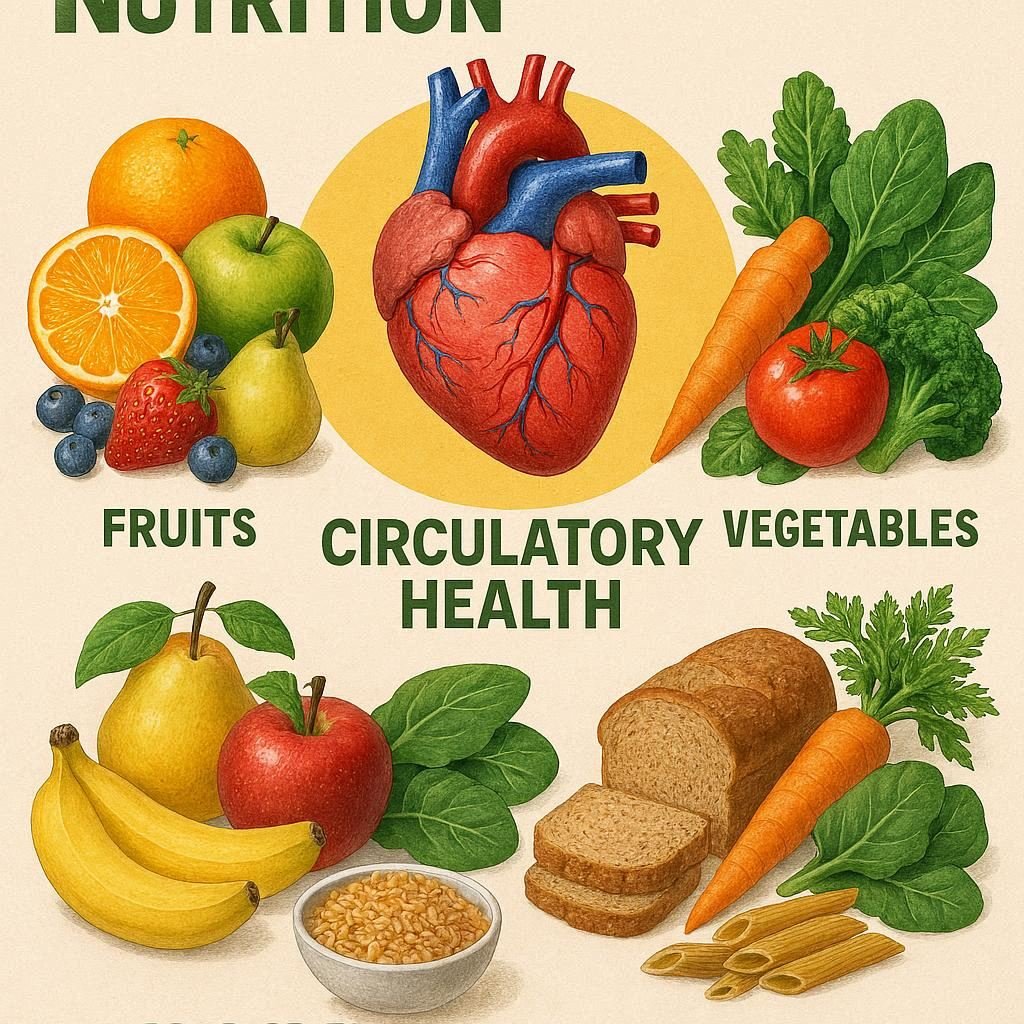
High intake of processed food, saturated fats, and added sugar may cause the accumulation of plaque in arteries, and this decreases blood supply and predisposes heart diseases. The consumption of foods that are rich in nutrients promotes the expansion of the circulatory system in the long run.
Blood Flow Efficiency and Hydration
Water plays a vital role in blood, and thus fluid is needed to ensure that blood circulates. When the body is not dehydrated, blood has the most optimal viscosity which means that it can move easily through the vessels. The loss of fluid makes the blood thicker, thus putting a strain on the heart to pump in more blood.
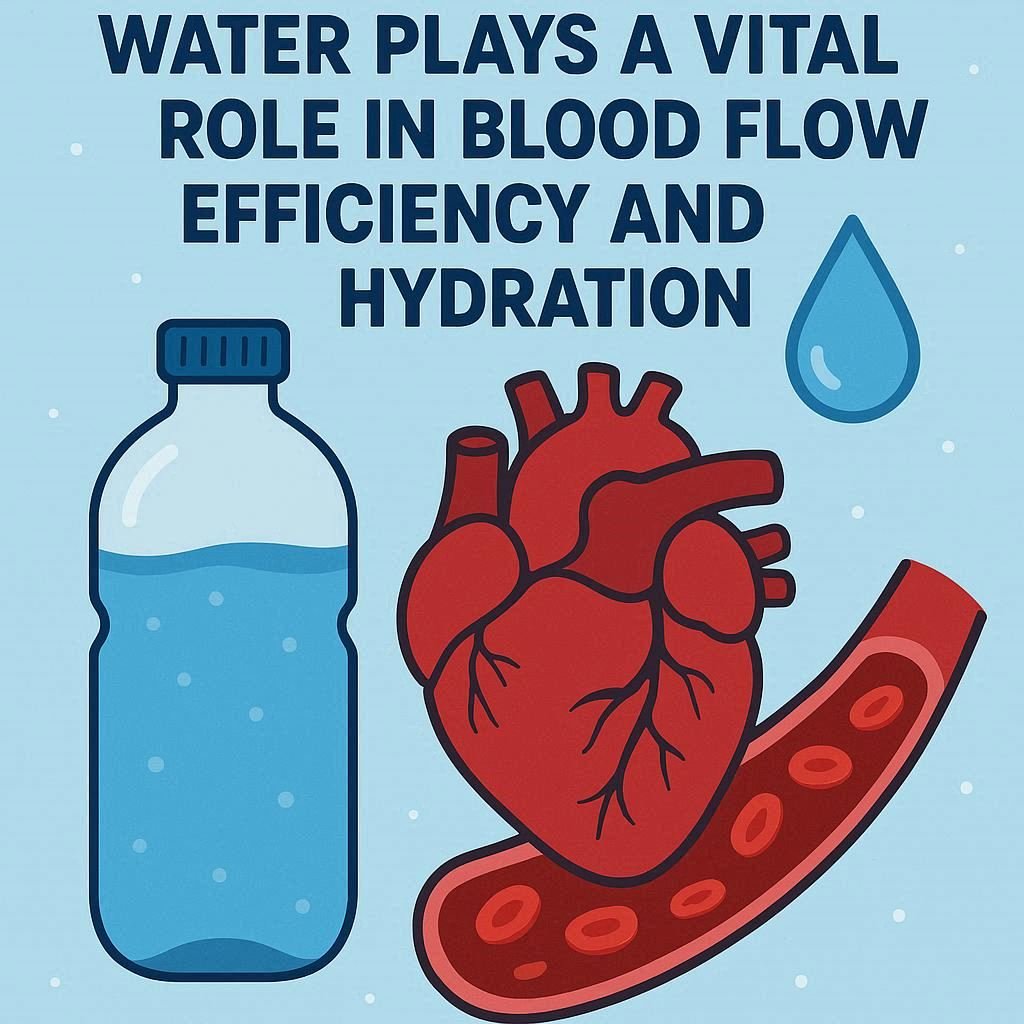
Proper hydration aids in the delivery of oxygen, movement of nutrients and elimination of wastes. It is also useful in control of the blood pressure and the body temperature. When people are well hydrated the energy will be high and there will be less strain on the circulatory system.
Hydration is a daily activity that helps to maintain cardiovascular efficacy and the long-term vascular well-being.
Physical Exercise and Circulatory Fitness
Physical exercise is among the strongest means of ensuring a sound circulatory system. Exercise makes the heart muscle stronger such that it is in a position to pump blood more effectively. It also enhances the flexibility of blood vessels making them less resistant to the flow of blood.
When exercising, there is an increase in the circulation in order to provide the muscles with oxygen and nutrients. This recurring demand over time enhances the health of the vessels and even improves the circulation during the rest periods. Physical exercise also aids in normal levels of cholesterol and blood pressure.

Regular movement exercises should also be part of everyday life in order to avoid the stagnation of the blood flow and aid the resilience of the cardiovascular system.
Physical Inactivity and CV Health
Long periods of standing still may have an adverse influence on circulation. The prolonged sitting posture decreases the muscle contractile actions that aid blood circulations particularly in the lower extremities. This may result in peripheral vascular disease, swelling and vascular risk.

Inactivity is also a factor that leads to increase in weight, high blood pressure, and metabolic disorders that overload the circulatory system. Interrupting infrequent sitting with movement is useful in keeping the blood flowing and minimizing circulatory strain.
Even the simple things like standing, stretching, or taking regular walks can be of significant use to the circulation.
Cardiovascular Balance and Stress Management
The circulatory system is subjected to a lot of strain due to chronic stress. Stress hormones cause the heart rate and blood pressure to increase and the blood vessels become narrowed making them less efficient in circulation. These effects may harm blood vessel and be cardio vascularly risky when stress is chronic.
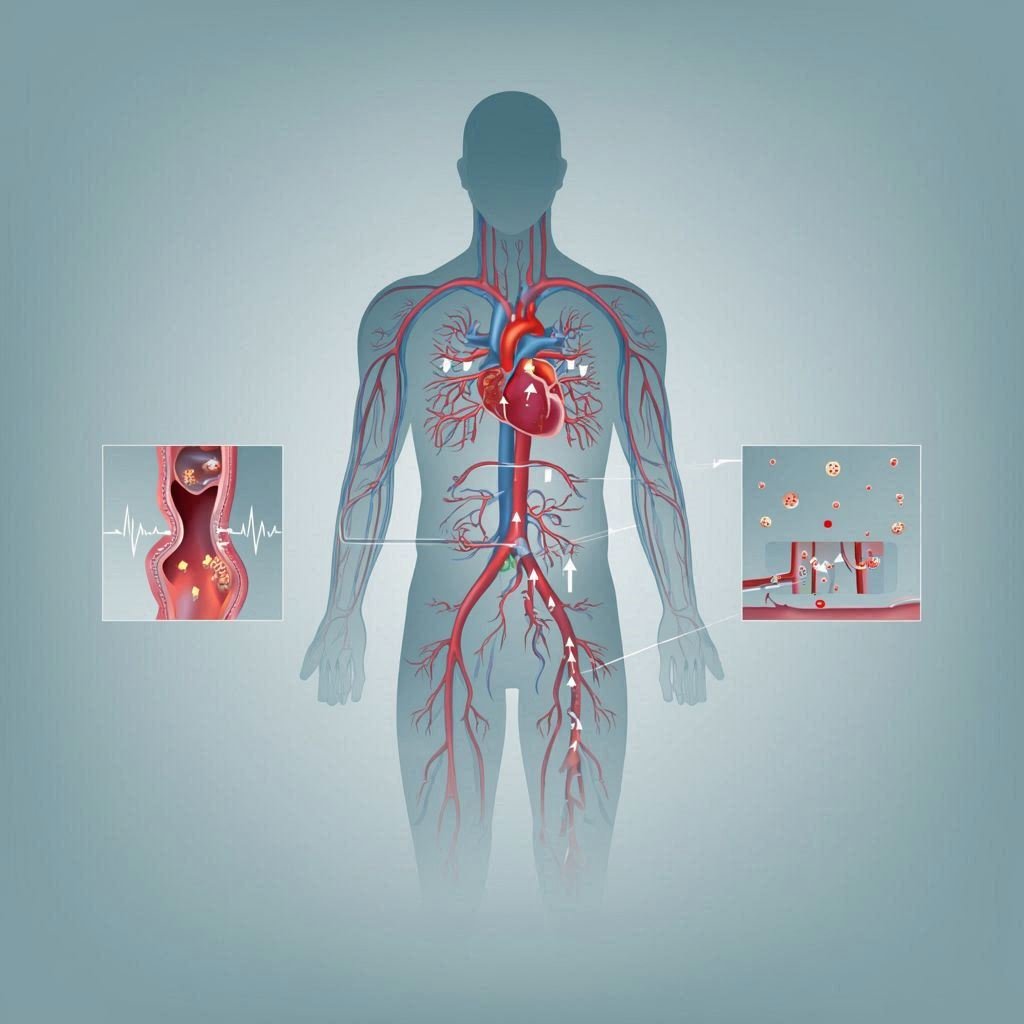
Stress management is beneficial as it helps in circulation by relaxing the blood vessels and stabilizing the heart rate. Deep breathing, mindfulness, physical exercise, and rest are some of the techniques that can be used to mitigate stress-associated circulatory strain.
Stress management does not only help maintain a good state of mind but also ensure long-term cardiovascular health.
Sleep and Circulatory Recovery
Sleep is a very important time of circulatory restoration and control. When one has good sleep, the blood pressure lowers and the heart and blood vessels resume their normal functioning after the day-to-day stress. This is broken by the poor quality of sleep, and this puts a lot of strain on the cardiovascular system.

Sustained sleep deprivation has been associated with high blood pressure, inflammatory response and poor circulation. Creating a regular sleep schedule helps in maintaining a normal heartbeat, a normal hormone level, and repair of vascular structures.
Adequate sleep is one of the initial lifestyle decisions when it comes to having a well-balanced circulatory system.
Blood Flow and Management of Mixed Obesity
Being of normal weight will decrease pressure on the circulatory system. The overweight makes the heart more demanding and it is a contributing factor to the blood pressure. It also raises the chances of the damage of vessels and compromises circulation.
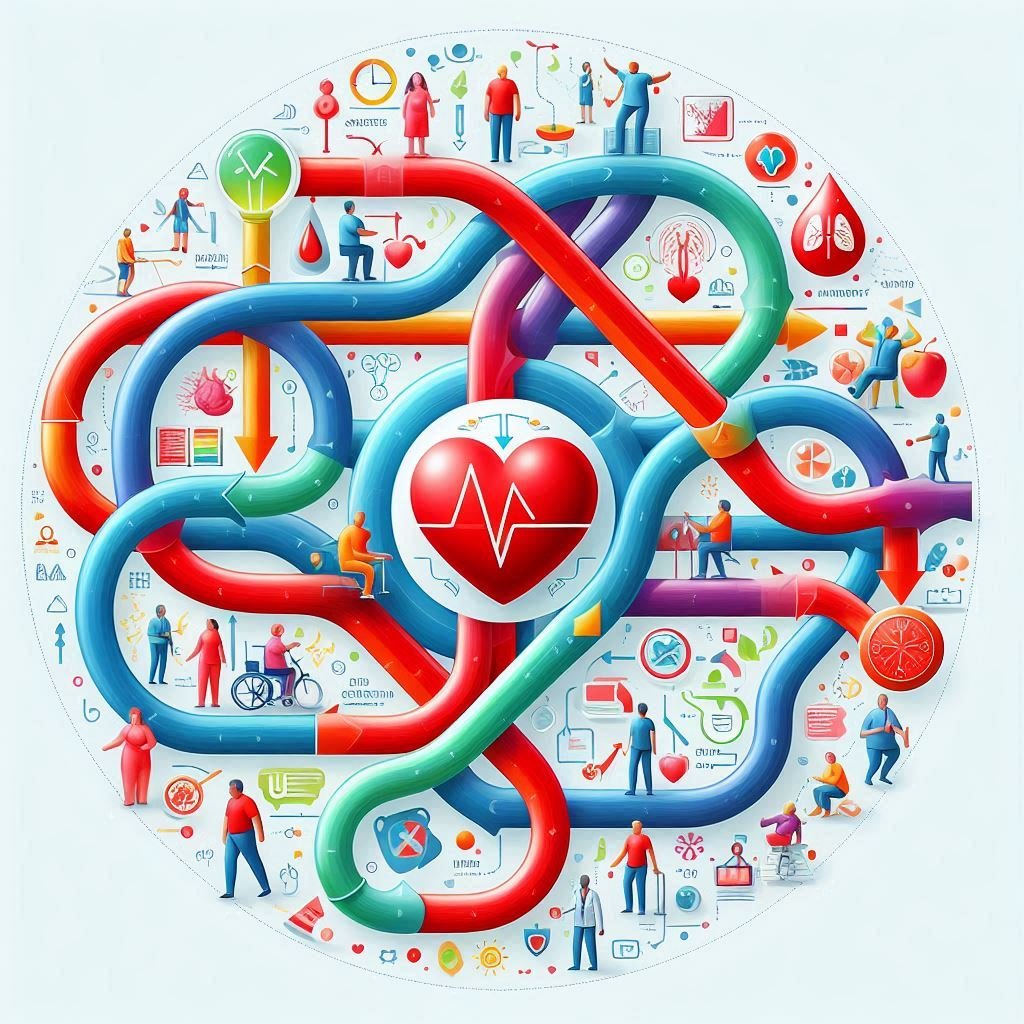
Maintaining healthy weight based on the balance of nutrition and physical activity promotes the effective blood circulation and lowers cardiovascular risk. Even slight loss of weight is effective in enhancing circulation and heart activity.
Sustainable lifestyle practices are superior to restricting ones in the long run in the circulatory health.
Avoidance of Substances that are harmful to health
Some lifestyle patterns are harmful to the circulatory system directly. Smoking leads to constriction of blood vessels, decreases the supply of oxygen and encourages the formation of plaques in the arteries. In the long run, this greatly leads to an exposure to heart disease and stroke.
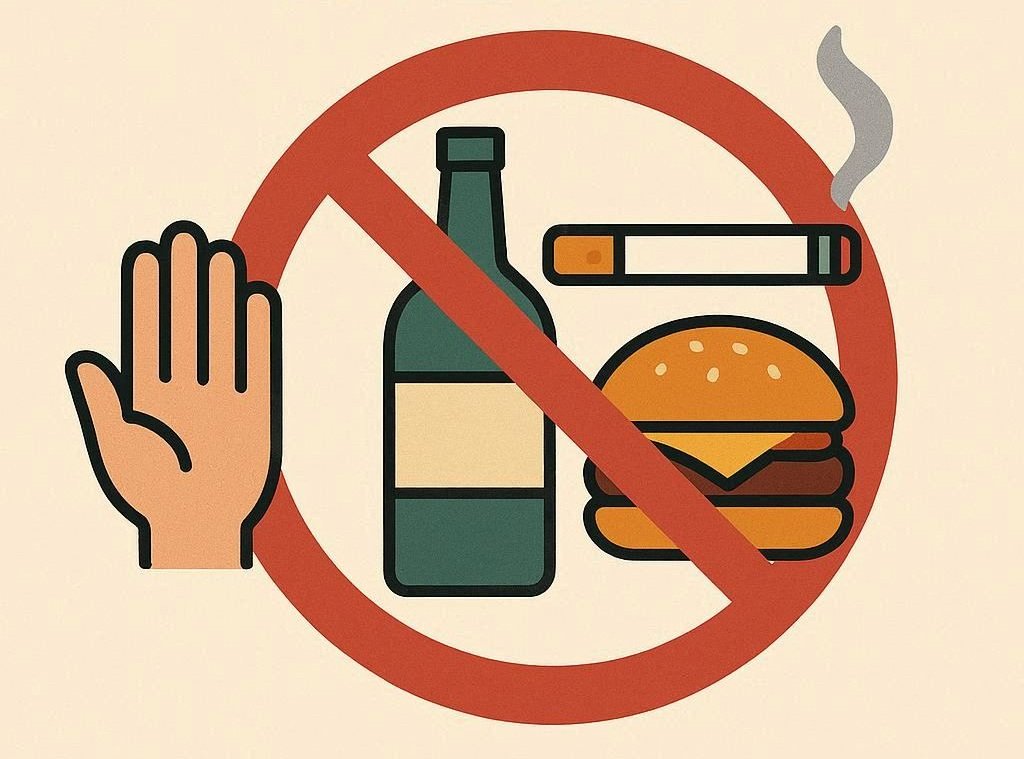
The intoxication of the human body with alcohol may elevate blood pressure and impair the activity of the heart muscle. The shielding of the harmful substances safeguards blood vessels and promotes effective circulatory.
Prevention of these risk factors is an important measure towards maintenance of circulatory health.
Blood Pressure and Lifestyle Regulation
Blood pressure is the speed at which blood strikes the walls of the arteries and it is severely affected by the lifestyle habits. Blood pressure is influenced by diet, exercise, stress and sleep.
Eating healthy allows the blood pressure to remain normal, and minimizes pressure on the blood vessels and the heart. Normal blood pressure will help maintain good blood circulation and minimize the possibility of permanent damage.
Circulatory stability would be achieved by regular monitoring and proactive management of lifestyle.
Routine Prevention and Everyday Routines
The health of circulation is influenced by the everyday decisions, not the individual ones. Resilience is achieved by small and regular habits: eating healthy, keeping exercised, drinking water, and reducing stress.
Circulatory disorders are better treated than prevented. Through positive lifestyle practices at an early age, individuals can minimize the risk of contracting cardiovascular disease in later stages of life.
Preventive method enables the people to be self-reliant, energetic, and healthy.
Circulatory Health Lifelong and Across the Lifespan
Circulation is affected at all ages due to lifestyle choices. Healthy habits in young age help in growth and vascular development. When they grow up, they prevent chronic illness. Later on, they aid in maintaining mobility, cognitive ability, and well-being.
The circulatory system is a dynamic between lifestyle and the circulatory system. Good habits enhance its ability to adapt to both physical and environmental necessities whereas bad habits hasten negative effects.
This lifetime relationship makes sense of the need to take good care of oneself regularly.
Conclusion
Life decisions of daily routine have a profound effect on the circulatory system. The role of nutrition, hydration, physical exercises, coping with stress, sleep, and avoiding toxic substances are all fundamental to the healthy blood circulation and heart work. These practices have a direct impact on the vessel health, the blood structure, and the circulatory efficiency.
With the emphasis on the lifestyle choices that enhance healthy blood circulation, people can empower the circulatory system, decrease the chance of diseases, and contribute to well-being in the long term. This is because prevention is one of the most effective measures of maintaining cardiovascular wellness and general vitality.